In today's rapidly evolving technological landscape, the demand for advanced security systems has surged across residential, commercial, and industrial sectors. Protecting people, property, and sensitive information has become more critical than ever, and modern Security Systems are evolving to meet these complex challenges. From smart home integrations to AI-driven surveillance, staying informed about the latest trends in security systems can help homeowners, business owners, and security professionals make strategic decisions that enhance safety, efficiency, and peace of mind.
Understanding Modern Security Systems
Security systems are no longer limited to simple alarms or locked doors. Today, they encompass a wide range of technologies designed to detect, prevent, and respond to threats. Modern security systems include video surveillance, access control, intrusion detection, motion sensors, cybersecurity integration, and smart home automation. Each of these components works together to create a layered security approach that minimizes risks and maximizes protection.
The Evolution of Security Systems
Over the past decade, security systems have undergone significant transformation. Traditional systems relied heavily on human monitoring and manual processes, often resulting in delayed responses during security breaches. The advent of digital technologies, artificial intelligence, and IoT integration has revolutionized security systems, enabling real-time monitoring, automated alerts, and predictive threat detection. These innovations have elevated security solutions from reactive to proactive, offering enhanced protection for both individuals and organizations.
Key Trends in Security Systems
Keeping up with the latest trends in security systems is essential for those seeking to enhance their safety measures. Here are some of the most significant trends shaping the industry today:
1. AI and Machine Learning Integration
Artificial intelligence (AI) and machine learning are transforming security systems by enabling smart analytics and predictive capabilities. AI-powered cameras can identify unusual patterns, detect intrusions, and even recognize faces. Machine learning algorithms improve over time, allowing security systems to reduce false alarms and respond intelligently to evolving threats.
2. Smart Home Security Solutions
The rise of smart home technology has made residential security systems more accessible and user-friendly. Devices such as smart locks, video doorbells, and connected sensors integrate seamlessly with mobile apps, allowing homeowners to monitor their property from anywhere. Smart home security systems also enable automation, such as turning on lights when motion is detected, providing an added layer of deterrence against intruders.
3. Cloud-Based Security Systems
Cloud technology is revolutionizing how security systems store and process data. Cloud-based platforms offer scalable storage, remote access, and advanced analytics without the limitations of traditional on-site servers. Businesses and homeowners can access live feeds, receive instant alerts, and store high-resolution video footage securely, enhancing the overall efficiency and reliability of security systems.
4. Biometric Access Control
Biometric technology is increasingly integrated into security systems, providing secure access through fingerprints, facial recognition, or iris scans. Unlike traditional key cards or PIN codes, biometrics reduce the risk of unauthorized access and simplify identity verification. Biometric access control is particularly valuable in high-security areas, corporate offices, and government facilities where sensitive information must be safeguarded.
5. Video Surveillance Innovations
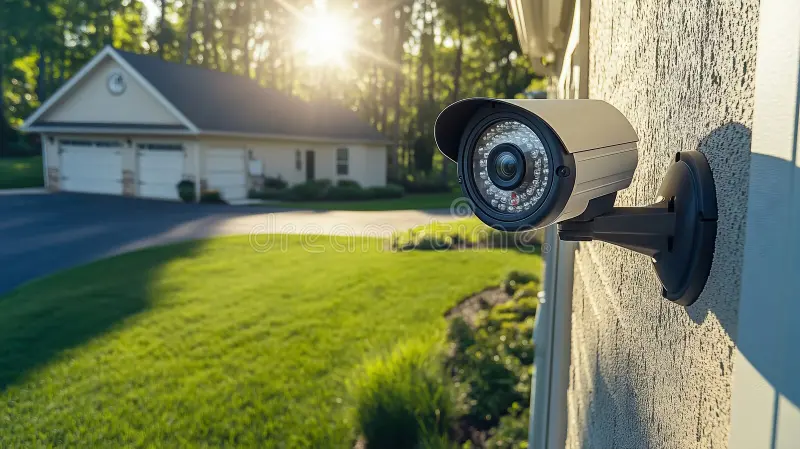
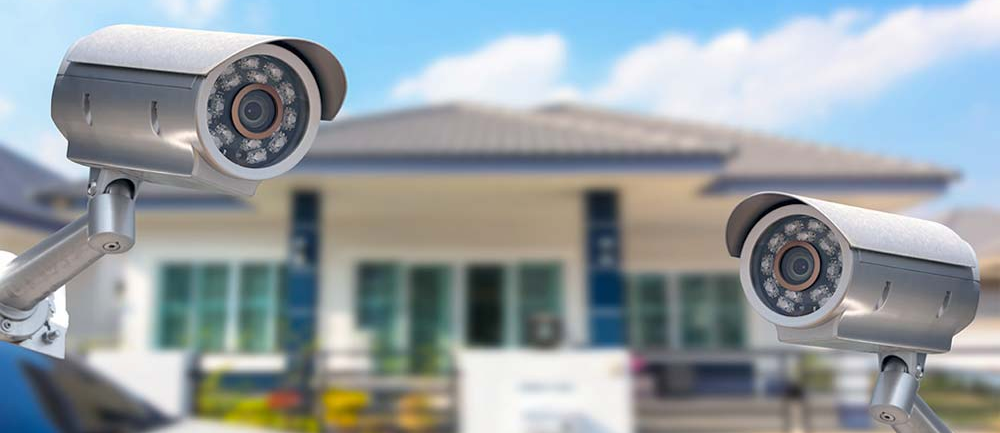
Modern video surveillance has moved beyond standard CCTV cameras. High-definition, 360-degree, and PTZ (pan-tilt-zoom) cameras provide comprehensive coverage. Many security systems now incorporate AI-driven video analytics, which can detect suspicious behavior, track movement patterns, and even identify unattended objects. These capabilities enhance situational awareness and allow faster response times during incidents.
6. Mobile Integration and Remote Monitoring
Mobile technology has enabled security systems to become more interactive and accessible. Users can monitor their premises in real-time, receive alerts, and control devices directly from smartphones or tablets. Remote monitoring increases convenience, empowers users to respond quickly to potential threats, and ensures continuous protection even when away from the property.
7. Cybersecurity-Converged Security Systems
As physical and digital threats converge, security systems are integrating cybersecurity measures. Protecting networked cameras, sensors, and access control systems from hacking has become a priority. Converged security approaches ensure that both digital and physical vulnerabilities are addressed, reducing overall risk and improving resilience against cyberattacks.
8. Energy-Efficient and Sustainable Security Devices
Sustainability is a growing concern across all industries, including security. Modern security systems prioritize energy efficiency through low-power sensors, solar-powered cameras, and intelligent device management. This not only reduces operational costs but also aligns with eco-friendly initiatives, making security solutions more environmentally responsible.
9. Cloud-Based Video Analytics
Cloud-based video analytics is emerging as a game-changer in security systems. These systems can analyze massive amounts of footage in real-time, flagging unusual activities, and providing actionable insights. Businesses can identify patterns of theft, monitor employee behavior, and enhance operational efficiency, all while maintaining high security standards.
10. Integration with Smart Cities
Urban development is increasingly incorporating smart city concepts, and security systems play a pivotal role. Integrated networks of cameras, sensors, and emergency response systems enhance public safety, manage traffic, and monitor public spaces efficiently. This trend demonstrates the expanding role of security systems beyond private properties into large-scale community safety management.
Benefits of Modern Security Systems
Investing in advanced security systems offers numerous advantages, from deterring crime to ensuring operational efficiency. Understanding these benefits can help individuals and businesses make informed decisions:
Enhanced Safety and Protection
Modern security systems provide comprehensive monitoring and rapid response capabilities, significantly reducing the likelihood of theft, vandalism, and unauthorized access. The integration of AI, video analytics, and smart sensors ensures that potential threats are detected and addressed promptly.
Remote Monitoring and Convenience
With mobile app integration and cloud-based platforms, users can monitor their property from anywhere in the world. Remote access offers convenience and peace of mind, allowing instant notifications and live surveillance at the touch of a button.
Cost-Effective Security Solutions
Although advanced security systems may require an initial investment, they can save money in the long run by preventing losses due to theft, vandalism, or property damage. Additionally, energy-efficient devices and scalable solutions reduce operational costs.
Customizable and Scalable Systems
Modern security systems are highly customizable to meet specific needs. From residential homes to large industrial facilities, users can choose devices and software tailored to their environment. Scalable solutions allow businesses to expand their security coverage as operations grow.
Integration with Other Smart Technologies
The ability to integrate security systems with other smart technologies, such as lighting, climate control, and automation systems, enhances overall operational efficiency. This interconnected approach creates a cohesive environment where security measures work seamlessly with other technologies.
Choosing the Right Security Systems
Selecting the ideal security systems requires careful consideration of multiple factors, ensuring that the chosen solution aligns with safety goals, budget, and technological requirements:
Assessing Security Needs
Identify the specific threats and vulnerabilities of your property or business. Residential properties may prioritize burglary prevention, while commercial facilities may require access control and video analytics. Conducting a thorough assessment ensures that the security systems address real risks effectively.
Evaluating Technology and Features
Modern security systems offer a variety of features, including motion detection, facial recognition, remote monitoring, and cloud storage. Evaluate which features are most relevant to your needs, balancing functionality with usability.
Reliability and Quality
Invest in high-quality, reputable security systems that are durable, reliable, and supported by responsive customer service. Quality systems reduce maintenance costs and ensure consistent performance during critical moments.
Budget Considerations
While security is an investment, it is essential to choose security systems that provide value within your budget. Consider long-term costs, including maintenance, upgrades, and energy consumption, when evaluating options.
Professional Installation vs. DIY
Depending on the complexity of the system, professional installation may be necessary to ensure optimal performance. For simpler smart home solutions, DIY installation may suffice. Assessing installation requirements helps avoid errors that could compromise security.
Future Directions in Security Systems
The evolution of security systems continues at a rapid pace, with emerging technologies promising even greater protection and efficiency:
AI-Powered Predictive Analytics
Future security systems will increasingly use predictive analytics to anticipate threats before they occur. By analyzing historical data, behavioral patterns, and environmental factors, AI can forecast potential security incidents, allowing proactive interventions.
Integration with IoT Devices
The Internet of Things (IoT) is transforming security systems by connecting devices across homes, businesses, and cities. IoT-enabled sensors, cameras, and alarms can communicate in real-time, creating a cohesive network that responds dynamically to threats.
Autonomous Security Robots
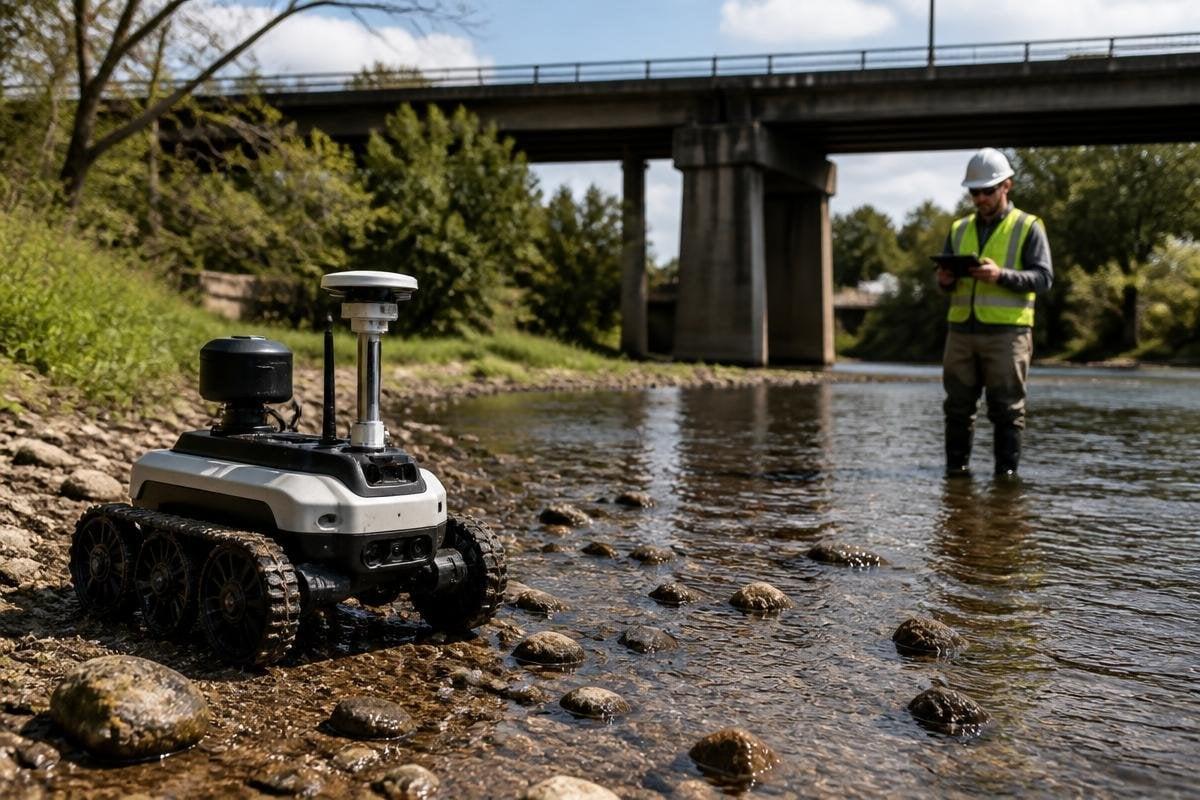
Robotics is making its way into security solutions. Autonomous security robots can patrol large areas, identify intruders, and provide live feedback to control centers. These innovations augment traditional security systems, offering continuous surveillance with minimal human intervention.
Advanced Cybersecurity Measures
As threats evolve, the convergence of physical and digital security will be more critical than ever. Future security systems will incorporate advanced encryption, real-time threat detection, and AI-driven cybersecurity measures to protect sensitive information and connected devices.
Biometric Evolution
Biometric technology will continue to advance, incorporating multi-modal authentication that combines facial recognition, fingerprint scanning, voice recognition, and behavioral biometrics. These innovations will enhance access control and reduce the risk of unauthorized entry.
Conclusion
Staying ahead in the realm of safety requires awareness of the latest advancements in security systems. From AI integration and smart home devices to cloud-based platforms and biometric access control, modern security systems offer unparalleled protection, convenience, and efficiency. As technology continues to evolve, these systems will become increasingly sophisticated, providing predictive insights, seamless integration, and enhanced resilience against both physical and digital threats.
Investing in advanced security systems is not merely a protective measure but a strategic decision that ensures safety, peace of mind, and long-term value. By understanding emerging trends and choosing solutions tailored to specific needs, individuals and organizations can safeguard their assets, people, and operations effectively.
Frequently Asked Questions
1. What are the key features to look for in modern security systems?Modern security systems should include features such as AI-powered surveillance, remote monitoring, motion detection, cloud storage, smart home integration, and biometric access control. These features provide comprehensive security and operational efficiency.
2. How do AI and machine learning improve security systems?AI and machine learning enhance security systems by enabling predictive analytics, detecting unusual patterns, reducing false alarms, and providing automated responses to potential threats. These technologies make security solutions smarter and more effective.
3. Are cloud-based security systems safe for storing sensitive data?Yes, cloud-based security systems are designed with robust encryption, access controls, and cybersecurity protocols to safeguard sensitive data. Reputable providers ensure secure storage and real-time monitoring for reliable protection.
4. Can security systems be integrated with smart home devices?Absolutely. Modern security systems can seamlessly integrate with smart home devices such as lights, locks, cameras, and alarms. This integration allows for automation, remote control, and enhanced security coverage.
5. What is the future of security systems?The future of security systems involves AI-driven predictive analytics, IoT integration, autonomous security robots, advanced cybersecurity measures, and multi-modal biometric authentication. These innovations will make security solutions more intelligent, efficient, and proactive.