
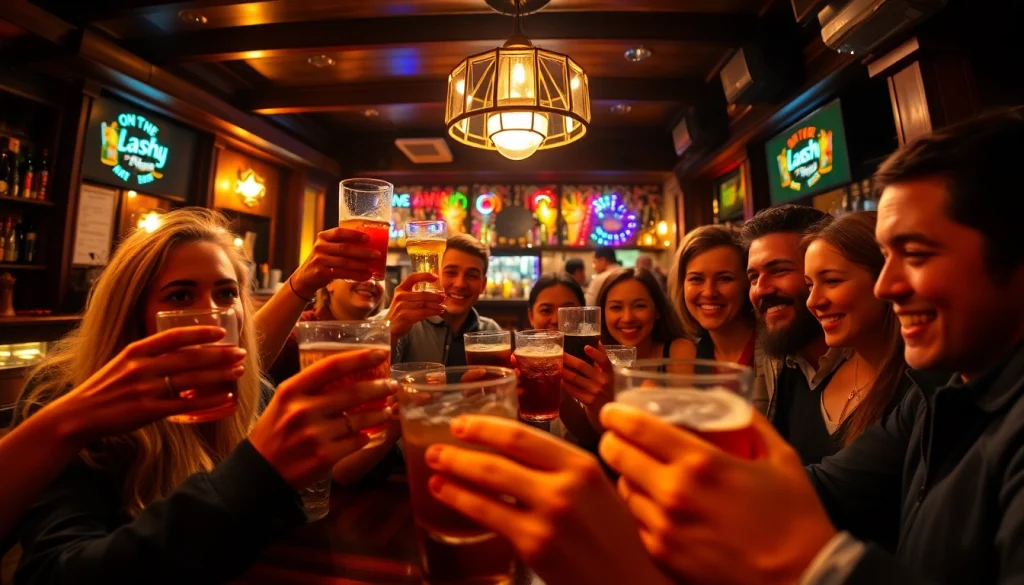

Introduction to the Expression ‘On The Lash’
The phrase “on the lash” is steeped in rich cultural connotations and evokes imagery of evenings filled with laughter, social bonds, and of course, alcohol. Rooted primarily in British and Irish vernacular, it describes a state of going out to drink heavily, typically with friends. Understanding why do we say on the lash can help illuminate the phrase’s meaning and significance in modern society, transcending mere definition to encompass cultural practices and social dynamics.
The Meaning Behind On The Lash
To be “on the lash” essentially refers to engaging in social drinking, often to an excessive degree. This lively expression highlights not only the act of drinking but also the camaraderie associated with such experiences. Many interpreters connect this term with euphoric and social moments as people go out to enjoy their time together in a communal atmosphere. The phrase can often be heard accompanied by animated discussions of the nightlife and escapades that ensued during a night on the lash.
Common Usage in Conversations
The term can be seamlessly interwoven into conversations, often casually referenced in social situations. Sentence examples include: “We went on the lash last night and had a fantastic time” or “He fell over while on the lash.” The phrase encapsulates enjoyment and sometimes serves as a euphemism for overindulgence. References to “going on the lash” indicate a clear understanding among speakers that it denotes alcoholic revelry, often full of laughter, stories shared, and memories created.
Regional Variations and Synonyms
While “on the lash” may be a prevalent term in the UK and Ireland, various regions have their own phrases conveying similar meanings. For example, phrases like “on the razz” or “on the sesh” are commonly used to signify similar festive drinking occasions. Understanding these variations not only enhances comprehension but also offers insights into regional dialects and how language evolves around social customs. The usage of specific expressions can also reflect cultural nuances in the way drinking is perceived and practiced across different locales.
Historical Origins of the Phrase
Naval Connections and Early Usage
The etymology of “on the lash” points toward maritime traditions, particularly within the British Navy. Evidence suggests that the phrase may have connections to the life aboard ships where heavy drinking was common among sailors. The connection between drunkenness and harsh disciplinary measures, such as flogging (hence “the lash”), creates a vivid imagery of the consequences of excessive indulgence. This history highlights the cultural transformations from naval expressions to contemporary slang.
Evolution of Language and Slang
Language constantly evolves, adapting to societal changes, and “on the lash” is no exception. Over the years, it has transitioned from its more rigid naval context to a general colloquialism reflecting leisure and enjoyment. The flexibility of the term is a testament to the fluidity of language—it encapsulates both the act of drinking as well as the larger social gatherings that surround it. Historical contexts provide a rich backdrop to its evolution, giving modern users layers of meaning not often apparent at first glance.
Influence of Culture on the Phrase
Culture significantly impacts language and phrases. The communal aspect of drinking is deeply rooted in many societies, which fosters connections among individuals. Traditions such as pub culture in the UK and Ireland can be traced back for centuries, making “on the lash” a culturally rich expression. Festivals, celebrations, and communal activities often involve drinking, thus embedding such phrases into the fabric of social life. Cultural references in music, literature, and popular media also perpetuate the use and understanding of “on the lash,” making it more than just a phrase, but a representation of collective joy.
Contemporary Significance of On The Lash
This Phrase in Modern Context
In contemporary settings, “on the lash” takes on both light-hearted and serious undertones. The phrase embodies a fun night out, captivating the essence of friendships and celebration. However, it also highlights the challenges of alcohol consumption, such as the impact of binge drinking on health and relationships. In modern discussions, it is essential to balance the celebration of social drinking with awareness of responsible alcohol consumption, thereby enriching the cultural dialogue surrounding “on the lash.”
Pop Culture Influence and References
Popular culture often mirrors language and phrases widely used in society. “On the lash” appears frequently in music, films, and television series that portray nightlife and societal interactions. These representations reinforce the term within a modern context, validating its usage in both colloquial and media contexts. The portrayal of such experiences serves to authenticate the enjoyment associated with “on the lash” while also sparking conversations about the implications associated with heavy drinking.
Social Perceptions of Drinking
Social attitudes toward drinking have shifted over time, influenced by health awareness campaigns and changing generational views. The phrase “on the lash” encapsulates a communal aspect of drinking, yet it also draws attention to the potential for negative consequences related to excessive drinking. Contemporary discussions often include both celebration and caution, reflecting a cultural shift toward more mindful drinking behaviors. Understanding these social perceptions enables a nuanced understanding of phrases like “on the lash” within today’s society.
Expressions Similar to On The Lash
Variations Like On The Razz and On The Sesh
Various phrases convey similar sentiments to “on the lash.” “On the razz,” often heard primarily in Ireland, suggests a similar connection to social drinking and festivities. Meanwhile, “on the sesh” is another popular term, particularly among younger crowds, emphasizing the social nature of drinking events. Each phrase carries its unique regional flair, yet they all evoke feelings of joy and camaraderie shared in the context of drinking among friends.
Regional Slang Comparisons
Regional languages display unique varieties of slang that offer insights into cultural differences. For instance, in Scotland, “having a session” denotes similar meanings as “on the lash,” while in Wales, colloquialisms might vary distinctly. Analyzing these comparisons illustrates how cultural practices and drinking customs shape vernacular expressions, enriching one’s understanding of language in the context of socialization.
Understanding Differences and Similarities
While many expressions suggest similar activities of consolidating friends and drinking, understanding their nuances can provide deeper insights into social traditions. The underlying similarities across these expressions often reflect regional cultures and social habits, though their unique usages speak to the identity of specific communities. This plurality captures the essence of language as dynamic and ever-evolving.
FAQs About On The Lash
What Does the Expression ‘On The Lash’ Mean?
The phrase means going out drinking heavily in a social context, typically with friends, emphasizing enjoyment and camaraderie.
Where Does ‘On The Lash’ Come From?
This expression is believed to trace back to naval terminology, linking heavy drinking customs aboard ships to the phrase.
Is ‘On The Lash’ Used Worldwide?
Primarily used in the UK and Ireland, the phrase reflects local drinking culture and highlights community-based social interaction.
How Can I Use ‘On The Lash’ in a Sentence?
An example would be, “We went on the lash last night and had a blast,” illustrating a fun social experience centered around drinking.
Are There Similar Phrases?
Yes, expressions like “on the razz” or “on the sesh” convey similar meanings depending on regional contexts and social settings.