
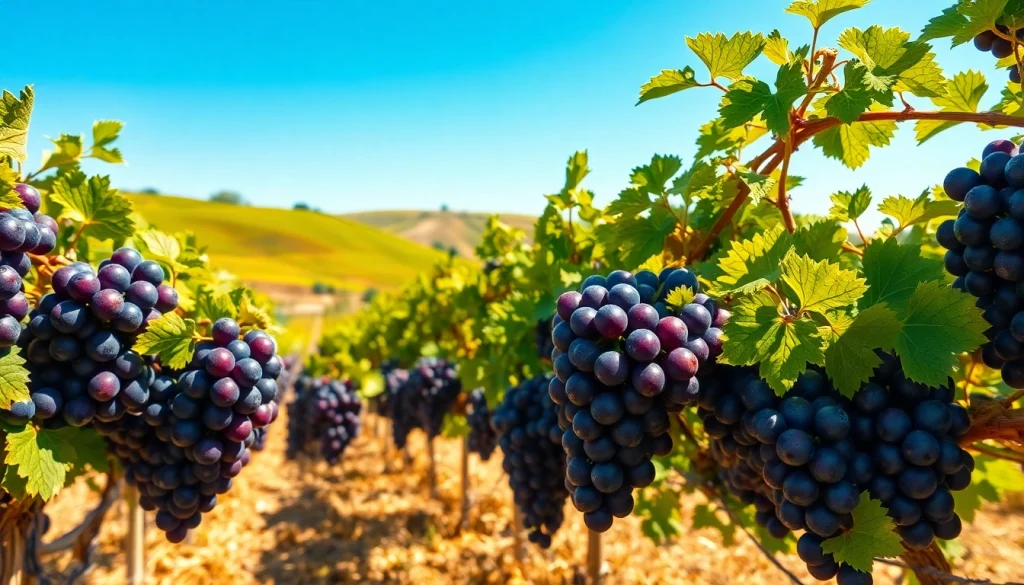

The Origins of Tempranillo
Historical Background
Tempranillo, a prominent red wine grape, boasts a rich historical background deeply rooted in the Iberian Peninsula. Though its exact origins remain somewhat ambiguous, many wine historians believe it emerged in Spain thousands of years ago. Genetic studies suggest that Tempranillo may be genetically related to several ancient grape varieties found in the region. It has long been a staple in Spanish viticulture, where it has been integral to the identity and reputation of Spanish wines, especially those from the Rioja and Ribera del Duero regions.
Primary Growing Regions
Tempranillo thrives in several key regions across Spain, making it the most widely grown red grape varietal in the country. Tempranillo is particularly synonymous with the Rioja region, celebrated for producing some of the finest quality wines. Other notable regions include Ribera del Duero, where the wine exhibits a bolder character, and the Toro area, known for producing robust, full-bodied expressions. Beyond Spain, Tempranillo has also taken root in regions of Portugal, where it is known as Tinta Roriz, as well as parts of California and South America, adapting to various climates and soil types.
Climate and Soil Preferences
This grape variety flourishes in climates characterized by warm, dry summers and moderate winters, with the ideal growing conditions found in chalky or clay-limestone soils. These soil types ensure proper drainage and help control the moisture levels that are crucial for the grape’s ripening process. The warm days facilitate the production of sugars in the grapes, while cooler nights help preserve the acidity and aromatics, creating a balanced flavor profile that embodies the essence of Tempranillo.
Flavor Profile of Tempranillo
Tasting Notes and Aroma
When it comes to flavor, Tempranillo is celebrated for its versatility. Young Tempranillo wines typically showcase bright fruit flavors, such as cherry, plum, and raspberry, coupled with earthy notes that introduce complexity. As the wine ages, it develops deeper characteristics, often revealing hints of chocolate, vanilla, leather, and spices. The aromatic profile leans towards vibrant fruit, complemented by subtle herbal undertones like dried thyme or oregano, making it a sensory delight.
Influence of Aging on Flavor
Aging plays a pivotal role in shaping the characteristics of Tempranillo. While younger wines are known for their approachable fruitiness, aging in oak barrels imbues the wine with additional layers of flavor. Common aging techniques involve using American or French oak, which impart flavors of vanilla, toast, and smoke. The maturation process softens the tannins, enhancing the wine’s smoothness while allowing more complex savory notes, such as dried fruits and herbs, to emerge.
Comparative Analysis with Other Reds
Many enthusiasts find it helpful to compare Tempranillo to other red varietals to appreciate its distinctive qualities. Unlike Cabernet Sauvignon, which tends to present a fuller body with more pronounced tannins, Tempranillo offers a smoother, more elegant structure. When compared to Shiraz, Tempranillo displays a firmer profile with higher acidity and a more linear expression of fruit. Each of these comparisons sheds light on Tempranillo’s unique positioning in the world of red wines.
Food Pairing with Tempranillo
Best Dishes to Pair
Tempranillo’s versatility as a food pairing wine is one of its standout features. The red wine pairs remarkably well with grilled meats, especially lamb and beef, as the wine’s acidity and fruitiness complement the rich flavors of the meat. Additionally, traditional Spanish dishes, such as paella and tapas, are excellent companions. For vegetarian options, dishes featuring mushrooms, roasted vegetables, or rich cheeses, such as manchego, enhance the tasting experience.
Serving Temperature Recommendations
To fully appreciate the complexity of Tempranillo, it is essential to serve it at the correct temperature. Generally, red wines, including Tempranillo, are best served between 60°F and 65°F (15°C to 18°C). Serving at this temperature allows the full aroma and flavors to unfold while ensuring a balanced taste. If the wine has been stored in a cooler environment, a short time at room temperature is recommended before serving.
Tips for Creating a Full Experience
Creating a memorable Tempranillo tasting experience involves more than just the wine itself. Consider pairing the wine with suitable food to elevate your tasting. Additionally, the ambiance plays a crucial role; intimate settings with soft music and dim lighting can enhance the overall experience. Engaging in conversation about the wine’s origins and characteristics will also enrich the experience and connect the drinkers to the story behind the wine.
Buying and Storing Tempranillo
Finding Quality Tempranillo
When it comes to purchasing Tempranillo, consumers should seek reputable sources that genuinely value quality. Distinguishing reliable producers can often begin by looking into wines labeled from well-known regions such as Rioja or Ribera del Duero. Wine shops that focus on quality rather than quantity can offer curated selections, providing more insights into the heritage and production practices of each bottle.
Storing Techniques for Optimal Aging
For those looking to age Tempranillo, proper storage conditions are paramount. The ideal temperature for wine storage is around 55°F (13°C), in a dark, vibration-free environment with moderate humidity levels of around 70%. Bottles should be stored horizontally to keep the cork moist, ensuring an airtight seal and preventing oxidation. Regularly inspecting the bottles for signs of spoilage is essential for maintaining optimal conditions.
Understanding Labels and Label Characteristics
Deciphering wine labels can often be a daunting task, but understanding a few key terms can assist buyers in making informed purchase decisions. Look for terms like “Crianza,” “Reserva,” and “Gran Reserva,” which indicate the aging process that the wine has undergone. Crianza wines are aged for a minimum of two years, Reserva for three years, and Gran Reserva for five years or more, each offering varying intensities and complexities.
FAQs About Tempranillo
What does Tempranillo taste like?
Tempranillo offers flavors of cherry, dried fig, cedar, and tobacco, with depth coming from aging. The taste profile evolves over time, showcasing more complex notes.
Is Tempranillo similar to Shiraz?
Tempranillo tends to feel more structured and linear, while Shiraz presents a fuller texture with ripe, enveloping tannins. These differences affect pairing choices.
What are the best food pairings for Tempranillo?
Ideal pairings include grilled meats, rich cheeses, and Mediterranean dishes, which enhance the wine’s natural flavor profile and create a delightful experience.
How long can Tempranillo be aged?
Many Tempranillo wines can improve with age, with some lasting up to 10-20 years or more, especially those labeled Reserva or Gran Reserva.
What regions are noted for producing Tempranillo?
Tempranillo is primarily grown in Spain’s Rioja and Ribera del Duero regions, as well as parts of Portugal, showcasing its versatility and adaptability.