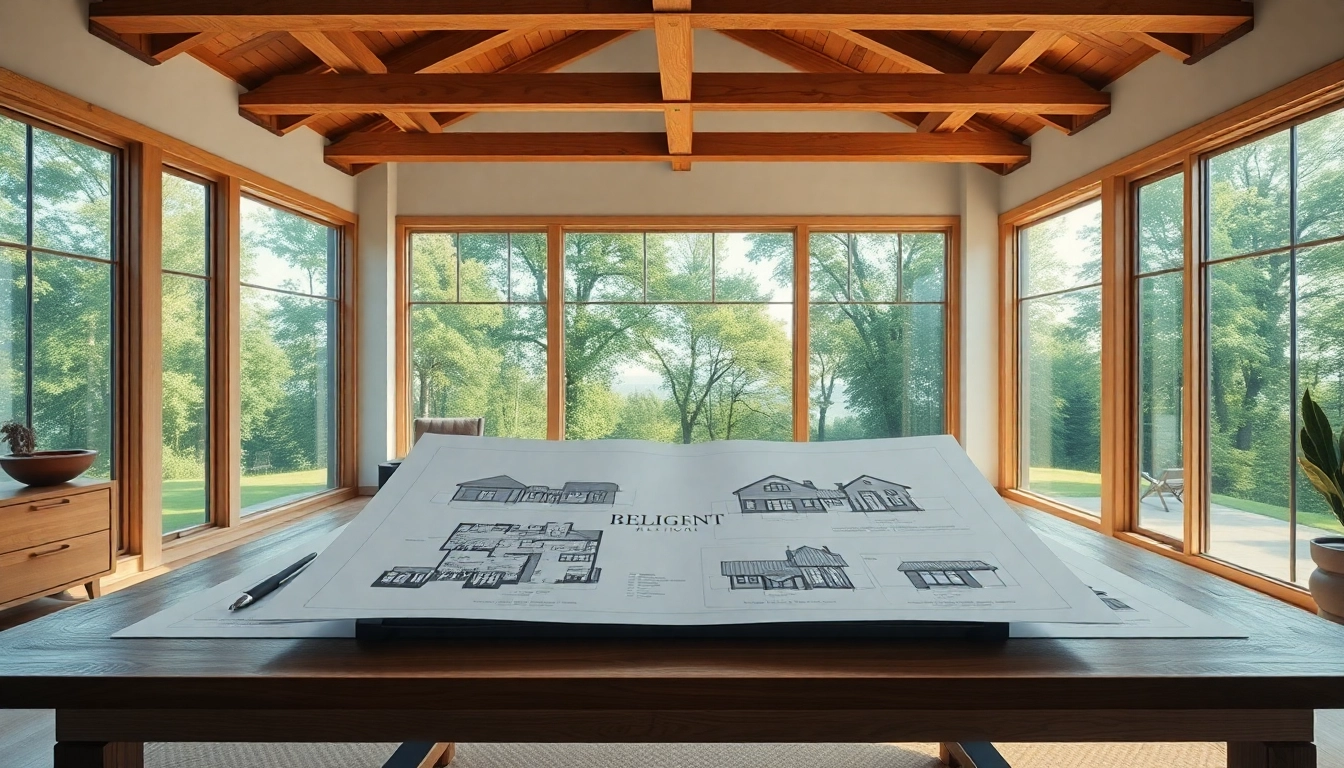
Introduction to New England Residential Architects
New England is a region rich in history, characterized by its stunning landscapes, charming towns, and unique architectural heritage. At the heart of this intricate design tapestry are New England residential architects, who play a pivotal role in shaping the residential landscape. By marrying aesthetic appeal with the practical demands of the environment and the desires of their clients, these architects help create spaces that resonate with both history and modern living.
What is a Residential Architect?
A residential architect is a licensed professional specialized in designing homes and residential spaces. Their expertise ranges from initial concept development to the final construction oversight. They ensure that the design meets client specifications while adhering to local building codes and regulations. This role encompasses multiple disciplines including architectural design, interior design, landscape design, and sustainability practices, enabling architects to create comprehensive solutions that enhance the way we live.
The Importance of Location
Location plays a critical role in residential architecture, particularly in a region like New England, where diverse climates and geographic features can vary dramatically within a few miles. The influence of coastal exposure, mountainous terrain, and urban versus rural settings must be considered to maximize the potential of each property. By understanding the geographical intricacies, a New England residential architect can design homes that not only fit well within their surroundings but also stand resilient against the elements.
Designing for New England's Climate
The unique climate of New England presents architects with both challenges and opportunities. The region experiences a wide range of weather conditions, from harsh winters to humid summers. Therefore, residential architects must consider factors such as insulation, heating and cooling systems, and outdoor spaces that can withstand seasonal fluctuations. Utilizing sustainable materials and incorporating energy-efficient technologies help create homes that are not only beautiful but also functional throughout the year.
Key Responsibilities of a New England Residential Architect
Site Planning and Analysis
Site planning is one of the most critical responsibilities for a residential architect. It involves assessing the terrain, drainage patterns, sunlight exposure, and other environmental factors to determine the best position for structures. In New England, where zoning laws can be stringent, thorough analysis ensures compliance with regulations and maximizes the property’s usability. Effective site planning also enhances the integration of the home with the natural landscape, promoting sustainability and reducing environmental impact.
Client Consultation Process
Each residential project begins with understanding the client's needs, aspirations, and lifestyle. The consultation process typically involves discussions about the client's vision, budget, and timeline. During these meetings, architects gain critical insight that shapes the design. They often utilize mood boards, sketches, and 3D models to communicate ideas, fostering an environment of collaboration and creativity. Effective communication ensures that the final designs truly reflect the client's personality and preferences.
Design Development and Drafting
Once the initial concepts are established, the architect transitions into the design development phase, refining ideas into actionable plans. This includes creating detailed drawings, selecting materials, and specifying finishes. With advancements in technology, many architects now use software like CAD and BIM (Building Information Modeling) to create highly accurate representations of their designs. These tools not only streamline the drafting process, but also facilitate collaboration among various stakeholders involved in the construction of the home.
Architectural Styles in New England
Traditional vs. Modern Designs
The architectural landscape of New England is a blend of traditional and modern styles. Traditional styles, such as Colonial, Cape Cod, and Shingle style homes, often reflect the rich history of the area, showcasing classic symmetry, gable roofs, and intricate details. On the other hand, modern design trends emphasize minimalism, open spaces, and the use of innovative materials. A New England residential architect may navigate these styles, blending historical elements with contemporary needs to achieve a harmonious balance that honors the region's heritage while catering to modern living.
Eco-Friendly Architecture Trends
With an increasing focus on sustainability, eco-friendly architecture has gained traction in New England. Residential architects are now incorporating green building practices such as passive solar design, rainwater harvesting, and the use of recycled materials. These practices not only minimize environmental impact but also result in long-term cost savings for homeowners. By designing energy-efficient homes equipped with renewable energy sources, architects contribute to a more sustainable future.
Incorporating Local Materials
Utilizing local materials is a hallmark of New England architecture. Stone, timber, and brick sourced from the surrounding environment can add authenticity and character to a home. By leveraging regionally available resources, architects can create designs that harmonize with the natural landscape and climate. This practice also supports local economies and reduces carbon footprints associated with transporting materials over long distances.
Challenges Faced by New England Residential Architects
Navigating Local Building Codes
One of the significant challenges for architects in New England is navigating the complex web of local building codes and regulations. Each municipality has its own set of guidelines that dictate zoning, construction methods, and safety standards. Residential architects must stay well-informed of these regulations to ensure their designs are compliant. This often requires collaboration with local authorities and ongoing education to adapt to changes in the law.
Community Engagement and Feedback
Community engagement is crucial in residential architecture, particularly in tight-knit New England towns. Architects must often address public concerns about design impact, historical preservation, and environmental considerations. Engaging with the community through presentations or feedback sessions can foster goodwill and help architects fine-tune their designs to better fit local expectations and values.
Balancing Aesthetics with Functionality
One of the most significant challenges faced by architects is balancing aesthetic appeal with practical functionality. While it’s vital to create visually stunning homes, these designs must also serve their intended purpose effectively. This process involves understanding the needs of the client, the limitations of the site, and the realities of construction. Thoughtful design choices can lead to homes that are both beautiful and functional, improving the overall quality of life for residents.
FAQs About New England Residential Architects
How do I choose the right architect?
Choosing the right architect involves reviewing their portfolio, checking references, and ensuring their design style aligns with your vision. Schedule consultations to discuss your project and see if there's a personal connection.
What services do residential architects provide?
Residential architects offer various services, including site analysis, design development, project management, and construction oversight. They also assist with permits and regulations compliance.
What are common design trends in New England?
Common design trends in New England include open floor plans, eco-friendly materials, modern farmhouse styles, and large windows for natural light. Architects often fuse traditional and contemporary elements.
How much does hiring an architect cost?
The cost of hiring an architect can vary widely based on project scope, location, and the architect’s experience. Typically, fees may be a percentage of construction costs or hourly rates.
Can an architect help with renovations?
Yes, architects are skilled in renovations and can help you redesign existing spaces, ensure structural integrity, and enhance functionality while maximizing aesthetic appeal.