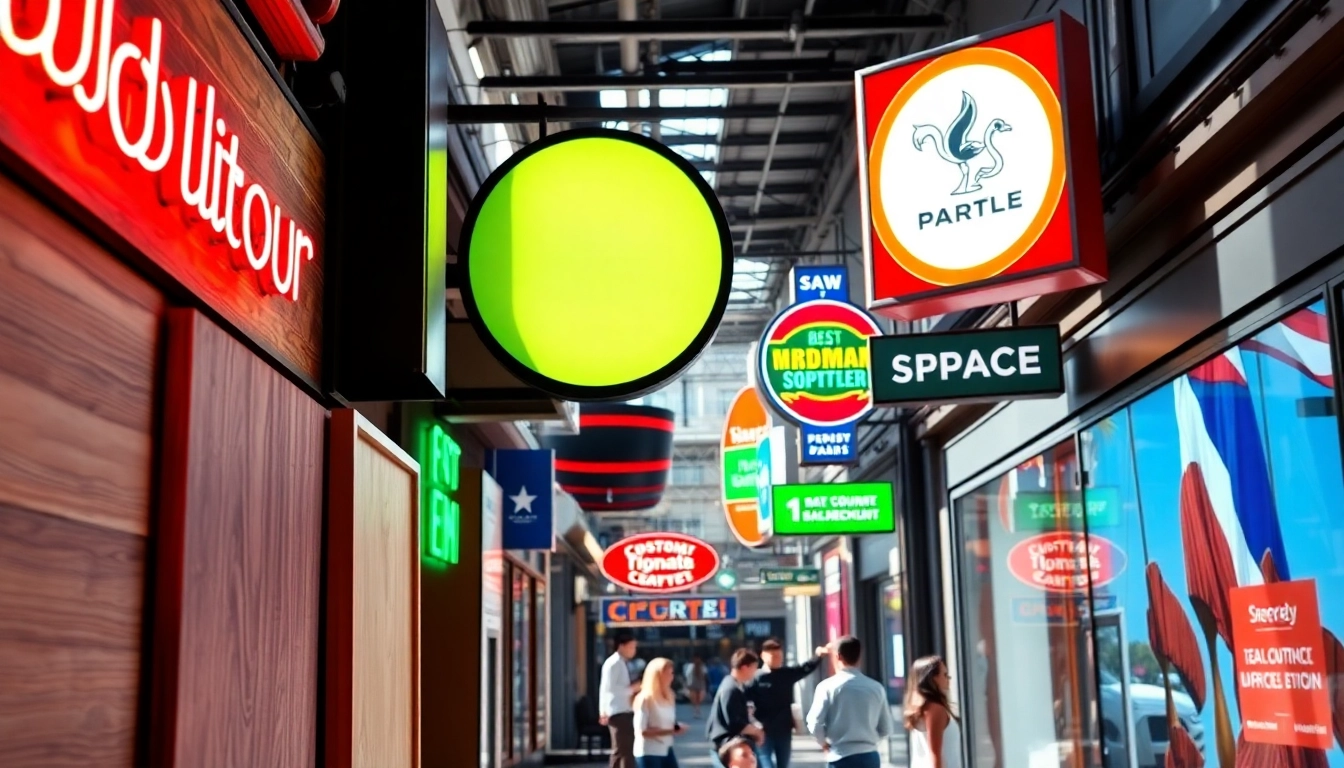
The Importance of Sign Design in Brand Identity
In today's competitive marketplace, ensuring your brand stands out is more crucial than ever. One of the primary ways to communicate your brand’s identity is through effective sign design. Signs not only assist in wayfinding but can also convey powerful messages about your brand's values and identity.
Defining Brand Presence through Sign Design
Sign design is an extension of your brand’s presence. A well-designed sign acts as a beacon, drawing potential customers in and creating lasting impressions. The visual elements, including logos, colors, and typography, cohesively represent your business. When a sign is consistently designed and aligned with the other branding elements, it enhances recognition and facilitates customer loyalty.
How Sign Design Communicates Your Message
Every sign carries a message, whether it promotes a product, guides customers, or symbolizes your brand's ethos. The effectiveness of the communication depends on clarity, creativity, and contextual relevance. A compelling sign should resonate emotionally with the audience, bridging the gap between mere visibility and meaningful engagement.
Case Studies: Successful Sign Designs
Exploring successful sign design case studies provides insights into effective strategies. For instance, a local café that implemented bold typography and vibrant colors saw a significant increase in foot traffic after installing their new sign. Similarly, a retail store that updated its signage to reflect the current brand identity saw a remarkable increase in customer engagement. These examples showcase how strategic sign design can directly correlate to enhanced brand visibility and sales.
Key Elements of Effective Sign Design
Typography and Readability in Sign Design
Typography is a cornerstone of effective sign design. The choice of font impacts readability and conveys the tone of your message. Sans-serif fonts, for instance, are often easier to read from a distance, making them ideal for outdoor signs. Pairing typefaces effectively can also enhance the visual hierarchy, allowing the essential information to stand out while maintaining aesthetic appeal.
Color Psychology and Its Impact on Sign Design
Colors evoke emotions and influence perceptions. Understanding color psychology is vital in selecting colors that align with your brand's message. For example, blue conveys trust and professionalism, while red signifies excitement and urgency. Using a color palette that resonates with your target audience can amplify your sign’s effectiveness.
Material Selection: Sign Durability and Appeal
The materials used in sign design heavily impact durability and aesthetics. Factors such as location, weather exposure, and desired lifespan should guide material selection. Aluminum is great for outdoor signs due to its resistance to corrosion, while wood can add a rustic charm to storefronts. Balancing durability and visual appeal is critical for long-lasting sign effectiveness.
Best Practices for Outdoor Sign Design
Maximizing Visibility: Placement Strategies
Placement plays a crucial role in sign visibility. Signs should be strategically positioned at eye level and lit adequately during nighttime. Ensuring that signs are unobstructed by trees, buildings, or other elements maximizes exposure. Consider local traffic patterns to determine the best vantage point for your signage.
Weather Considerations for Sign Longevity
Outdoor signs must withstand various weather conditions. Choosing weather-resistant materials and finishes extends lifespan and maintains appearance. For example, UV-resistant coatings prevent color fading, while sealed edges on wood signs protect against moisture damage. Regular maintenance, such as cleaning and repairs, is also essential to keep outdoor signs in optimal condition.
Regulatory Compliance for Outdoor Sign Design
Understanding local regulations regarding signage is imperative to avoid fines or mandatory alterations. Many jurisdictions have specific guidelines regarding size, illumination, and placement. Before finalizing a design, it's wise to consult local ordinances to ensure compliance while still achieving your intended message and visibility.
Innovative Trends in Sign Design
Digital Signage: Enhancing Engagement
Digital signage is transforming how businesses engage with customers. These dynamic platforms allow for real-time updates and interactive content, delivering tailored messages to viewers. For instance, retailers can promote daily specials or events, drawing in customers and enhancing their shopping experience. The flexibility of digital signage also allows brands to adapt quickly to changing market conditions.
Interactive Sign Design for User Experience
Interactive signs imbue the viewer with agency, creating a more engaging experience. Whether through QR codes or touch screens, these signs invite customers to explore further. For instance, an outdoor map that allows users to find their route while showcasing nearby stores can significantly increase foot traffic and engagement.
Eco-Friendly Materials in Modern Sign Design
With growing environmental concerns, using eco-friendly materials in sign design is increasingly important. From recycled plastics to sustainably sourced woods, businesses can create visually appealing signs that demonstrate their commitment to sustainability. This approach not only attracts environmentally conscious consumers but also strengthens the brand's corporate social responsibility narrative.
Measuring the Impact of Sign Design on Business
Methods to Track Sign Effectiveness
To evaluate the effectiveness of your sign design, consider using various tracking methods. Utilizing customer surveys, analyzing foot traffic before and after sign installation, and monitoring online engagement can provide valuable insights. These metrics help understand how sign design influences customer behavior and attitudes towards your brand.
Analyzing Customer Engagement Through Sign Design
Customer engagement is another critical metric to gauge the success of sign design. Monitoring social media mentions, customer feedback, and interactions with digital signage provides valuable data on how the audience perceives your signs. Higher engagement levels often correlate with effective sign design that resonates with your audience.
Case Studies: ROI from Creative Sign Design
Analyzing specific cases where innovative sign design led to tangible returns on investment (ROI) elucidates best practices. For example, a restaurant that revamped its outdoor signage experienced a 30% increase in new customers within three months. Highlighting such success stories emphasizes the potential financial benefits of investing in quality sign design.
Frequently Asked Questions (FAQs)
What is the importance of sign design in marketing?
Sign design plays a crucial role in marketing by enhancing brand visibility, communicating messages, and attracting potential customers through visual appeal.
How does color choice affect sign design?
Color choice can influence emotions and perceptions. Bright and vibrant colors attract attention, while softer colors can convey a sense of calm or professionalism, depending on your brand image.
What materials are best for outdoor signs?
Durable materials such as aluminum, acrylic, and weather-treated wood are ideal for outdoor signs, ensuring resistance to various weather conditions and longevity.
How can I measure the effectiveness of my sign design?
Effectiveness can be measured through customer surveys, tracking foot traffic, and analyzing online engagement metrics before and after the sign installation.
Are there current trends in sign design to consider?
Yes, trends like digital signage, interactive displays, and eco-friendly materials are gaining popularity as businesses look to enhance engagement and showcase sustainability.