Understanding Vinyl Flooring
What is Vinyl Flooring?
Vinyl flooring is a synthetic flooring material composed of polyvinyl chloride (PVC) along with various fillers and stabilizers. Designed to mimic the appearance of natural materials like wood or stone, it has gained immense popularity in residential and commercial spaces due to its affordability, durability, and ease of maintenance. Unlike traditional flooring options, vinyl flooring provides a suitable solution for high-traffic areas while offering a comfortable surface underfoot.
Types of Vinyl Flooring
Vinyl flooring comes in several types, catering to diverse design preferences and application requirements:
- Sheet Vinyl: This is a continuous roll of vinyl that can be cut to fit large areas without seams, preventing water and dirt from penetrating. It's ideal for bathrooms and kitchens.
- Vinyl Tile: Resembling traditional ceramic tiles, vinyl tiles provide the flexibility of individual pieces that can be arranged in various patterns. They are suitable for DIY installations.
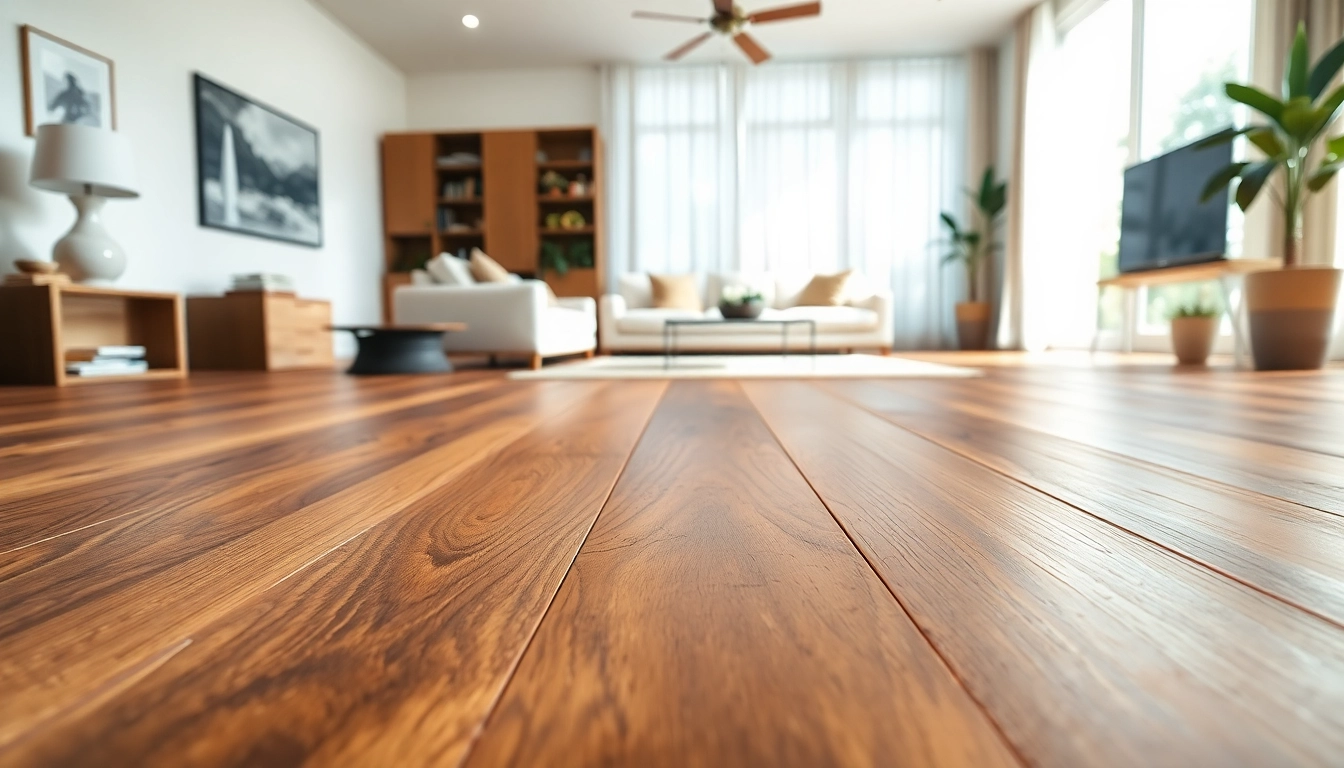
- Luxury Vinyl Plank (LVP): Designed to replicate the look and texture of hardwood flooring, LVP offers robust features suitable for high-traffic areas, combining toughness with aesthetic appeal.
- Luxury Vinyl Tile (LVT): Similar to LVP but designed to emulate stone or ceramic tiles, LVT provides a chic, elegant look while retaining the practical benefits of vinyl.
Key Features of Vinyl Flooring
Several distinct characteristics contribute to the growing popularity of vinyl flooring:
- Water Resistance: Many vinyl flooring types are water-resistant, enabling them to withstand spills and moisture, making them great for kitchens and bathrooms.
- Noise Reduction: Vinyl flooring tends to be quieter underfoot compared to hard surfaces like hardwood or laminate, helping to reduce noise levels in a space.
- Comfort and Warmth: Vinyl feels warmer than tile or stone, presenting a more inviting atmosphere, particularly in cooler climates.
- Ease of Maintenance: Regular sweeping and occasional mopping keep vinyl floors looking pristine, eliminating the need for harsh cleaning products.
Advantages of Vinyl Flooring
Cost-Effectiveness of Vinyl Flooring
One of the most significant advantages of vinyl flooring is its cost-effectiveness. Compared to hardwood or tile, vinyl flooring is considerably cheaper, making it an attractive option for budget-conscious homeowners or those looking to renovate without overspending. Additionally, its longevity and resistance to wear and tear can result in lower maintenance and replacement costs over time.
Diverse Designs and Styles
Vinyl flooring is available in an extensive range of styles, colors, and patterns. Whether you prefer the classic look of oak, the sleekness of modern slate, or the unique visual of a mosaic, there's an option for every taste. This variety allows homeowners and designers to create customized looks that fit their vision while remaining practical.
Durability of Vinyl Flooring
Durability is a hallmark of vinyl flooring; it can endure high traffic, resist scratches, and withstand dents. Many products come with a protective wear layer that enhances their resilience, allowing them to perform exceptionally well in residences with pets and children. This toughness, coupled with the material's inherent resilience, ensures that vinyl floors can handle the rigors of daily life.
Installation Process of Vinyl Flooring
Preparation Before Installation
Before beginning the installation of vinyl flooring, preparation is key. Start by ensuring the substrate is clean, dry, and level. Any imperfections on the subfloor can lead to visible defects post-installation. It's advisable to remove old flooring and thoroughly clean the surface before laying down new vinyl. Additionally, acclimating the vinyl sheets or planks in the room where they will be installed can prevent expansion or contraction due to temperature changes.
Steps for Installing Vinyl Flooring
The installation process can vary based on the type of vinyl chosen:
- For Sheet Vinyl: Measure the area and cut the vinyl to size. Lay it down and secure it using adhesive recommended by the manufacturer.
- For Vinyl Tiles: Begin in the center of the room and work outwards. Apply adhesive to the subfloor according to instructions, placing tiles down firmly.
- For Luxury Vinyl Plank (LVP) and Luxury Vinyl Tile (LVT): Most products utilize a click-lock system for easy assembly, allowing planks or tiles to snap into place without glue.
Post-Installation Care for Vinyl Flooring
After installation, it's vital to allow adhesive to cure and prevent foot traffic on the new flooring for at least 24 hours. Once dry, homeowners can enjoy their new vinyl flooring with minimal risks. Regular sweeping and damp mopping will help maintain its look and longevity, while a doormat at entrances can trap dirt and debris and further preserve its pristine condition.
Maintaining Vinyl Flooring
Daily Maintenance Tips
Maintaining your vinyl flooring is straightforward. Regular sweeping or vacuuming will keep dust and debris at bay. For spills, prompt clean-up is essential to avoid staining; a simple solution of mild detergent and warm water can effectively remove most residues. Using furniture coasters under heavy objects can prevent dents, and placing rugs in high-traffic areas can reduce wear.
Deep Cleaning Techniques for Vinyl Flooring
Over time, deep cleaning may be necessary to return vinyl flooring to its original luster. Start by vacuuming or sweeping the floor, followed by a mop with a solution of vinegar diluted in water. Avoid harsh chemicals, as these can dull the finish over time. For stubborn stains, gentle scrubbing with a soft bristle brush can help.
Common Mistakes to Avoid
Even the best-maintained vinyl flooring can suffer from common pitfalls. Avoid using abrasive cleaners or scrub pads, as these can scratch the surface. Additionally, don't expose vinyl flooring to excessive moisture or allow standing water to sit, as it can lead to warping. Lastly, be cautious with heavy furniture; regular rearranging can help distribute wear evenly.
Frequently Asked Questions about Vinyl Flooring
Is vinyl flooring waterproof?
Many vinyl flooring options are water-resistant, making them suitable for moist areas like kitchens and bathrooms, but always check product specifications for details.
How long does vinyl flooring typically last?
With proper maintenance, vinyl flooring can last anywhere from 10 to 25 years, depending on the quality of the product and the foot traffic it experiences.
Can I install vinyl flooring myself?
Yes! Many types of vinyl flooring, especially luxury vinyl plank (LVP) and tiles, are designed for easy DIY installation thanks to click-lock mechanisms.
How do I clean vinyl flooring effectively?
For daily cleaning, use a soft broom or vacuum. For deep cleaning, a mixture of warm water and mild detergent works best. Avoid using harsh chemicals.
Are there environmentally friendly options for vinyl flooring?
Yes, many brands offer environmentally friendly vinyl flooring products made from recycled materials and low in VOCs, contributing to better indoor air quality.