Understanding Woodworm Infestation
Woodworm infestations are a pervasive issue that can compromise the integrity of wooden structures in homes and businesses alike. The lifecycle of wood-boring insects, such as woodworms, can lead to significant damage if left unchecked. Many homeowners may be unaware of the existence of these pests until the structural damage becomes apparent. Understanding their lifecycle and the signs of infestation is crucial in preventing extensive damage and ensuring the longevity of wooden materials.
What Are Woodworms and Their Lifecycle?
Woodworms are the larvae of various beetles that infest wooden materials. The lifecycle begins when adult beetles lay eggs on or in wood. Once the eggs hatch, the larvae tunnel through the wood, feeding on it as they grow. This process can last anywhere from several months to several years, depending on environmental factors such as humidity and temperature. As they mature, they create exit holes, leading to visible signs of infestation.
Common Signs of Infestation in Wooden Structures
Identifying woodworm infestation early can save homeowners significant time and expense. Common signs include:
- Small, round exit holes in the wood surface.
- Powdery wood dust, known as frass, underneath infested areas.
- Weakened or crumbling wood structure.
- Visible larvae or adult beetles emerging from the wood.
Why Traditional Methods are Insufficient
Historically, many property owners have relied on chemical treatments to combat woodworm infestations. However, traditional methods often fall short. Chemicals may not penetrate deeply enough to reach all larvae, leaving a hidden population that can resurface. Furthermore, the use of toxic chemicals poses health risks to inhabitants and may not be environmentally sustainable. Therefore, innovative approaches to pest control have become necessary to address these challenges effectively.
The Advantage of SHASHEL® Microwave Technology
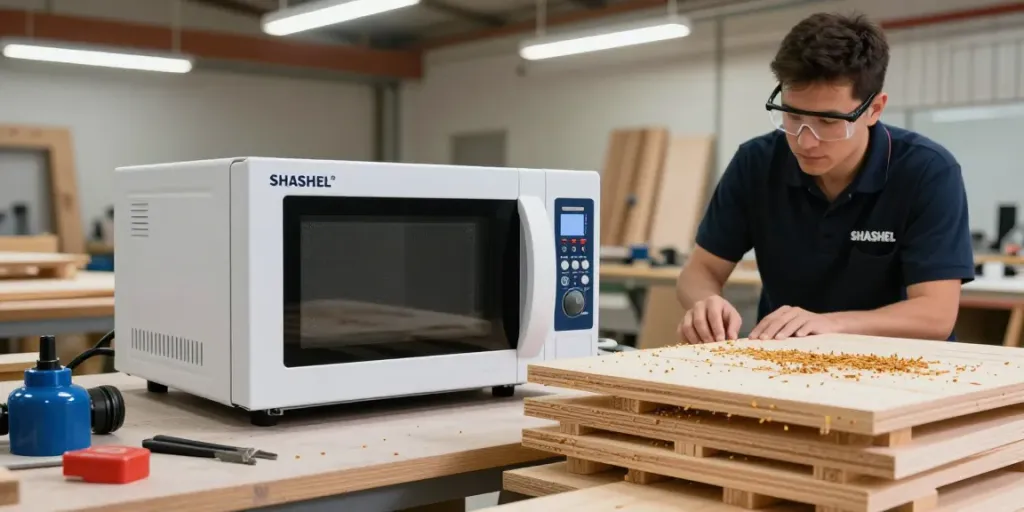
When exploring options for effective woodworm elimination, SHASHEL® offers comprehensive insights into a breakthrough technology that eliminates wood-boring insects through microwave treatment. This innovative method allows for a multi-faceted approach to pest control that is both effective and environmentally friendly.
How SHASHEL® Works: The Science Behind the Treatment
SHASHEL® utilizes microwave technology to generate heat that penetrates wooden materials, targeting woodworms, their larvae, and eggs without the use of harmful chemicals. The microwaves cause water molecules within the wood to vibrate, generating heat that is lethal to pests. This method ensures complete eradication, even in hard-to-reach areas where traditional treatments may not be effective.
Eco-Friendly Benefits of Microwave Pest Control
Choosing SHASHEL® microwave technology for pest control not only eliminates infestations effectively but also supports eco-friendly practices. The absence of chemical treatments reduces environmental impact and protects the health of inhabitants. Furthermore, this method addresses a growing demand for sustainable pest management solutions, aligning with modern eco-conscious values.
Real-World Success Stories and Testimonials
Numerous users have reported remarkable success with SHASHEL® microwave treatment. For example, a historical building that had suffered from repeated infestations saw a complete turnaround after employing this technology. Property managers noted that not only was the infestation halted, but the structural integrity of the building was preserved, echoing the effectiveness of this method in practical applications.
Practical Application of SHASHEL® Equipment
Implementing SHASHEL® technology in your pest control strategy requires careful planning and execution. Understanding how to set up and operate the equipment is critical in achieving optimal results.
Setting Up Your SHASHEL® Treatment Station
Before starting the treatment, ensure that the area is prepared appropriately. This includes clearing the space of furniture and blockage around the wooden structure to allow for uniform microwave penetration. Additionally, follow the manufacturer's guidelines to set up the SHASHEL® treatment station correctly, ensuring safety and efficiency.
A Step-by-Step Guide to Using SHASHEL®
- Inspect the wooden structures for signs of infestation.
- Prepare the treatment area by removing obstructions.
- Set up the SHASHEL® device according to the instructions.
- Begin treatment by targeting affected areas using the microwave equipment.
- Monitor progress and inspect the treated areas after the recommended cooling period.
Common Mistakes to Avoid During Treatment
Even with cutting-edge technology, mistakes can hinder the effectiveness of the treatment. Common pitfalls include:
- Skipping thorough inspections before treatment.
- Not following the manufacturer's setup instructions.
- Inadequate monitoring after treatment, which may miss signs of returning infestations.
Maintenance and Long-Term Care
After successfully eliminating a woodworm infestation, maintaining the integrity of your wooden structures becomes paramount. This involves regular monitoring and care to prevent future issues.
How to Ensure Continued Effectiveness of Treatment
To ensure that your treatment remains effective, it's important to conduct routine inspections of wooden materials. Look for any signs of new infestations or damage, and address them promptly. Additionally, consider scheduling regular treatments with SHASHEL® to maintain peace of mind regarding pest control.
Recommended Tools and Accessories for Wood Care
Investing in quality tools and accessories can greatly enhance the longevity of your wooden structures. Recommended items include:
- Moisture meters to monitor humidity levels that could attract pests.
- Protective finishes and coatings that deter wood-boring insects.
- Regularly updated pest control schedules to include inspections and treatments.
Monitoring for Future Infestations
Monitoring for infestation signs should be a regular part of home maintenance. Simple measures such as checking for exit holes or frass accumulation can help catch infestations early. Setting up traps in areas prone to woodboring insects can also provide alerts to potential problems before they escalate.
Future Trends in Pest Control Technology
The pest control industry is rapidly evolving, driven by technological advancements and changing consumer preferences. Understanding these trends can help property owners stay vigilant against woodworm infestations.
Advancements to Expect in Microwave Treatment Technologies
Future developments in microwave technology are expected to enhance effectiveness and ease of use. Innovations may include better penetration capabilities and automated systems that cater to larger environments, making pest control more efficient.
Predictions for Pest Control Innovations by 2026
As we approach 2026, the pest control landscape will likely be dominated by increasingly sophisticated technologies. Beyond microwave treatments, expect more multi-faceted solutions that combine physical and biological pest controls, optimizing both efficacy and environmental safety.
How SHASHEL® Plans to Stay Ahead in the Industry
SHASHEL® remains committed to innovation, recognizing the importance of adapting to emerging challenges in pest control. Continuous research and development will ensure that their solutions remain at the forefront of technology and effectiveness, meeting the evolving needs of consumers.
What Should You Know About Future Industry Regulations?
Awareness of regulatory changes is crucial for both consumers and professionals in the pest control industry. By 2026, more stringent regulations may be implemented regarding chemical use, making environmentally friendly solutions like SHASHEL® microwave technology even more essential.