
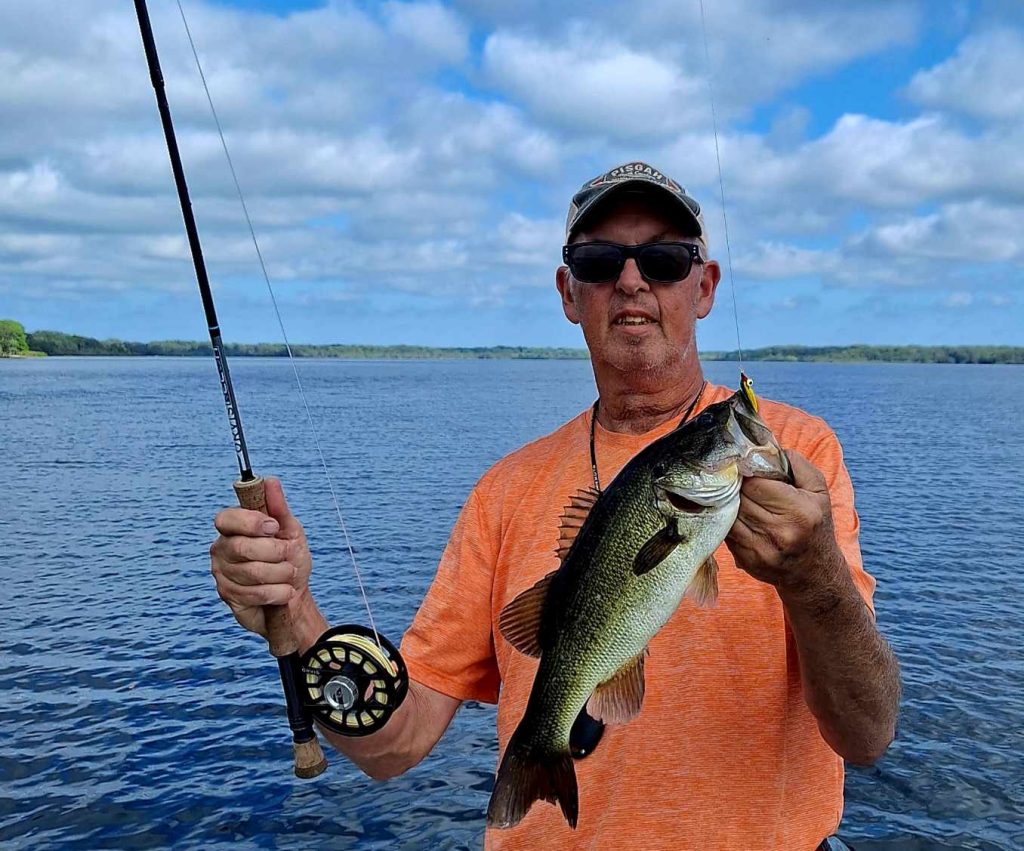
Fly fishing is more than just a sport—it’s a passion that requires the right gear, especially when it comes to selecting the best fly fishing rods. Whether you’re targeting trout in a mountain stream or battling tarpon in the open ocean, understanding the differences between saltwater and freshwater rods can make all the difference in your fly fishing experience. In this guide, we’ll explore the key features of both types of rods and help you determine which ones deserve a place in your tackle collection.
Understanding Fly Fishing Rods
The foundation of a successful fly fishing trip is the rod itself. The best fly fishing rods are designed to deliver precision, power, and durability. When comparing saltwater and freshwater options, several factors come into play, including rod length, action, material, and weight. Choosing the right rod ensures you can cast accurately, fight fish efficiently, and enjoy your time on the water without frustration.
Freshwater rods are typically lighter and more flexible, making them ideal for smaller fish such as trout, bass, and panfish. They allow for delicate presentations and accurate casts in confined spaces like rivers and streams. Saltwater rods, on the other hand, are built to withstand harsh conditions and larger, stronger fish. They are usually heavier, longer, and constructed from corrosion-resistant materials to handle saltwater environments. For anglers seeking the best fly fishing rods, it’s crucial to match the rod type to the environment and species you intend to target.
Key Differences Between Saltwater and Freshwater Rods
1. Rod Material
The best fly fishing rods are often made from high-quality graphite or composite materials. Freshwater rods can afford to be lighter and more sensitive, enhancing the angler’s feel for subtle strikes. Saltwater rods, in contrast, require reinforced materials to resist corrosion from salt, as well as the strength to handle powerful fish like tarpon, snook, or redfish. Investing in corrosion-resistant guides and reel seats ensures longevity and optimal performance.
2. Rod Length and Power
Freshwater fly rods typically range from 6 to 9 feet, making them versatile for various freshwater fishing scenarios. Saltwater rods are usually longer, often 9 feet or more, providing the leverage needed for long-distance casting and handling large game fish. The best fly fishing rods strike a balance between length and power, depending on the type of water and the size of fish you plan to target.
3. Casting and Action
Action refers to how much a rod bends under pressure. Freshwater rods often have a moderate or fast action, allowing for accurate and controlled casts in tight spaces. Saltwater rods usually have a fast or extra-fast action to handle heavy lines and fly patterns in windy conditions. Understanding rod action is essential when selecting the best fly fishing rods, as it affects casting distance, accuracy, and the ability to control the fish during the fight.
4. Line Weight
The line weight of your rod is directly tied to the species you intend to fish. Freshwater rods often use line weights between 2 and 8, while saltwater rods can handle heavier line weights, typically 8 to 14 or more. Matching your rod to the appropriate line weight ensures smooth casting and prevents frustration while playing strong fish.
Tips for Choosing the Best Fly Fishing Rods
- Consider Your Fishing Environment: Determine whether you’ll be fishing primarily in freshwater or saltwater. This choice dictates the rod material, length, and line weight.
- Match Rod Action to Your Skill Level: Beginners often benefit from medium-action freshwater rods, while experienced anglers may prefer the power and precision of fast-action rods.
- Durability Matters: Saltwater rods must withstand harsh conditions, so corrosion-resistant components are a must. Freshwater rods benefit from lightweight materials that enhance casting finesse.
- Test Before You Buy: If possible, visit a tackle shop to cast different rods. The feel and comfort of a rod can be just as important as specifications.
- Budget Wisely: The best fly fishing rods don’t always have to break the bank, but investing in quality ensures years of enjoyable fishing.
Maintaining Your Fly Fishing Rods
Proper maintenance is key to extending the life of your fly fishing rods. Always rinse saltwater rods with fresh water after use to prevent corrosion. Inspect guides and reel seats regularly, and store your rods in a protective case. Freshwater rods also benefit from careful handling and regular cleaning to prevent dirt and debris from affecting performance. Following these steps ensures your rods remain among the best fly fishing rods available for many seasons.
Conclusion
Choosing between saltwater and freshwater fly fishing rods is a decision that depends on your fishing style, target species, and environment. The best fly fishing rods offer a balance of strength, sensitivity, and durability, tailored to meet the demands of either freshwater streams or the open ocean. By understanding the differences in rod material, length, action, and line weight, you can make an informed choice that enhances your casting, improves your chances of landing fish, and maximizes your enjoyment on the water. Whether you’re seeking the delicate presentation of a freshwater trout rod or the rugged power of a saltwater rod, investing in quality equipment ensures every fly fishing adventure is a success, making the best fly fishing rods a cornerstone of your angling experience.