Understanding Video Production Basics
What is Video Production?
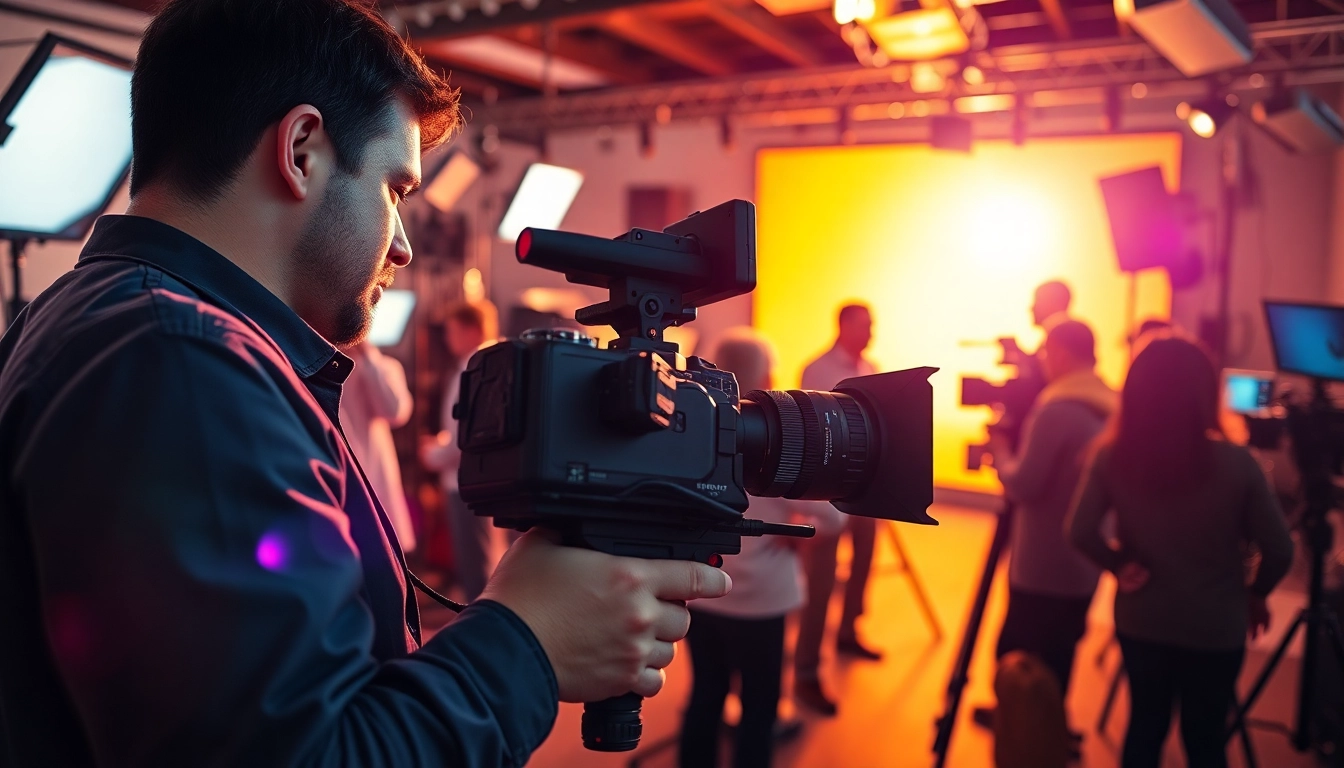
Video production is the process of creating video content. From concept development to filming and editing, it encompasses various stages that bring a visual narrative to life. With technology evolving continuously, video production has become accessible to a broader audience—from professional filmmakers to amateur hobbyists. Effective Video Production utilizes the art of storytelling combined with technical proficiency to convey messages, educate audiences, and entertain viewers.
Key Stages of Video Production
The video production process can be divided into three main stages: pre-production, production, and post-production. Each stage is crucial and requires careful planning and execution to ensure the final product meets the intended vision.
- Pre-Production: This initial phase involves scriptwriting, storyboarding, budgeting, and scheduling. It's where the groundwork for the entire project is laid, making it one of the most critical stages in production.
- Production: This stage is where filming takes place. It involves capturing the video footage alongside any audio elements necessary for the project. Production is typically the most labor-intensive and time-consuming part of the process.
- Post-Production: The final stage covers editing the footage, adding special effects, audio mixing, and finalizing the project for distribution. Effective post-production can significantly enhance the quality of the finished video.
Essential Video Production Terminology
Understanding industry-specific terminology is vital for anyone involved in video production. Here are some essential terms to know:
- B-Roll: Secondary footage used to complement primary content, often used during voiceovers.
- Aspect Ratio: The ratio of width to height in a video frame, affecting the visual composition.
- Script: The written part of the video that outlines dialogue and detailed actions.
- Storyboard: A visual representation of scenes, typically illustrated in a sequence to define the flow of the video.
Planning Your Video Production Project
Creating a Comprehensive Script
A well-crafted script is the backbone of any successful video production. It ensures the message is clear and guides the entire filming process. When creating a script, consider the following:
- Understand the Audience: Tailor your content to the demographics and preferences of the target audience.
- Define the Message: What do you want to communicate? Ensure the core message is conveyed through both visuals and dialogue.
- Structure the Script: Use a three-act structure—setup, confrontation, and resolution—to organize your narrative flow.
Budgeting for Video Production
Budgeting is essential for managing resources effectively. Here are key components typically included in a video production budget:
- Pre-Production Costs: Includes scriptwriting, location scouting, casting, and crew hire.
- Production Costs: This covers equipment rentals, shooting expenses, and on-set personnel.
- Post-Production Costs: Encompasses editing, sound design, and any special effects needed.
Scheduling and Location Scouting
Proper scheduling ensures a smooth production process. Here are several tips for effective scheduling and scouting:
- Identify key locations that fit the story and secure permissions in advance.
- Use tools like shot lists and shooting schedules to optimize time on set.
- Factor in additional timelines for unforeseen events, like weather delays.
Tools and Equipment for Effective Video Production
Choosing the Right Camera for Video Production
Selecting the right camera is crucial. Consider factors such as:
- Resolution: Higher resolution offers better quality. Look for at least 1080p for professional output.
- Sensor Size: Larger sensors can capture more light, resulting in better low-light performance.
- Interchangeable Lenses: The ability to swap lenses offers versatility for different shooting scenarios.
Audio Equipment Essentials
High-quality audio is just as important as visual quality. Essential audio equipment includes:
- Microphones: Choose between shotgun mics for direct sound capture or lavalier mics for interviews.
- Audio Recorders: Use portable audio recorders for capturing separate audio tracks during filming.
- Headphones: Essential for monitoring sound quality while recording.
Lighting Techniques for Stunning Visuals
Good lighting can dramatically enhance visual quality. Here are some techniques:
- Three-Point Lighting: A classic method involving key light, fill light, and back light for depth.
- Natural Light: Utilize ambient light effectively by shooting during golden hour for soft, flattering scenes.
- Softboxes and Diffusers: Soften harsh lighting and create a more appealing atmosphere.
Best Practices in Video Production
Engaging Your Audience Through Storytelling
A compelling story captivates viewers and keeps them engaged. Here are strategies to create effective storytelling:
- Character Development: Create relatable characters that engage audiences emotionally.
- Conflict: Introduce a conflict that drives the narrative forward.
- Resolution: Ensure a satisfying conclusion that resonates with viewers.
Editing Tips to Enhance Your Final Product
Editing is where the real magic happens. Use the following tips to enhance your video:
- Cut for Pacing: Keep the pace engaging by cutting unnecessary footage and focusing on key points.
- Color Grading: Adjust colors to create a specific mood or tone that enhances the narrative.
- Add Music: Use background scores to evoke emotions and complement the visual storytelling.
Incorporating Feedback and Revisions
Feedback is crucial for refining your work. Here are steps to effectively incorporate critiques:
- Solicit Input: Gather opinions from colleagues or test audiences to gain diverse perspectives.
- Be Open: Be receptive to constructive criticism and be ready to make adjustments.
- Iterate: Apply changes and share the revised version for additional feedback.
Future Trends in Video Production
Incorporating Virtual Reality in Video Production
Virtual Reality (VR) offers immersive storytelling possibilities. Integrating VR into video production can:
- Enhance audience engagement by creating interactive experiences.
- Allow viewers to explore story elements from various perspectives.
- Incorporate 360-degree video technology for dynamic environments.
Sustainable Practices in Video Production
With environmental concerns at the forefront, adopting sustainable practices in video production is increasingly essential:
- Minimize Waste: Implement strategies to reduce materials and encourage recycling.
- Use Energy-Efficient Equipment: Opt for gear that consumes less energy without compromising quality.
- Offset Carbon Footprint: Consider carbon offsets for travel and other unavoidable emissions.
The Rise of Live Streaming in Video Production
Live streaming has become a staple in video production, offering benefits such as:
- Real-time audience engagement and feedback.
- Broader outreach through social media platforms.
- Reduced post-production efforts by broadcasting events live.
Frequently Asked Questions
What is video production?
Video production is the process of creating video content, encompassing various stages from pre-production to post-production, involving planning, filming, and editing.
How do you create a video production script?
To create a video production script, identify your audience, define your core message, and structure it using a clear narrative flow with a beginning, middle, and end.
What equipment is essential for video production?
Essential equipment includes a good camera, microphones for quality audio, and effective lighting tools to enhance visual appeal.
How does video editing improve a production?
Video editing enhances production by refining the pace, adding visual effects, and incorporating music, which elevates the overall storytelling experience.
What trends are shaping the future of video production?
Future trends include the integration of virtual reality, sustainable production practices, and the growing popularity of live streaming for real-time audience engagement.