Understanding the Role of a GRP Manufacturer
What is a GRP Manufacturer?
A GRP Manufacturer is a specialized entity that produces Glass Reinforced Plastic (GRP), a composite material made from a polymer matrix reinforced with glass fibers. GRP manufacturers play a crucial role in various industries, supplying components that are lightweight yet exceptionally strong. This combination of properties makes GRP an essential material in applications where durability, weight saving, and corrosion resistance are critical.
Key Materials Used in GRP Manufacturing
The primary materials involved in GRP manufacturing include:
- Polymer Resins: The backbone of GRP, often comprising unsaturated polyesters, epoxies, or vinyl esters, which provide the matrix for glass fibers.
- Glass Fibers: Reinforcement that enhances the mechanical strength and rigidity of the plastic. E-glass and S-glass are common types used, with S-glass offering superior strength.
- Additives: These can include catalysts to facilitate curing, pigments for coloration, and fillers to modify properties such as density or thermal resistance.
The Benefits of GRP in Various Industries
GRP offers several benefits across multiple sectors, including:
- Lightweight: Often significantly lighter than metals, reducing transportation costs and energy consumption.
- Corrosion Resistance: GRP does not rust or corrode, making it ideal for marine and chemical applications.
- Low Maintenance: Components require less maintenance than alternatives, providing long-term cost savings.
- Versatility: GRP can be molded into complex shapes, suitable for numerous applications.
Manufacturing Processes in GRP Production
Overview of GRP Manufacturing Techniques
Several techniques are utilized in the GRP manufacturing process, including:
- Hand Lay-Up: A manual process where layers of glass fabric are placed into a mold and resin is applied.
- Spray-Up: Resins and glass fibers are sprayed into a mold creating components quickly, suitable for large parts.
- Filament Winding: Offers high strength-to-weight ratios, commonly used for cylindrical shapes like pipes and tanks.
- Injection Molding: Glass fibers are mixed with resin and injected into a mold, allowing for precise and repeatable shapes.
Quality Control in GRP Manufacturing
Ensuring quality is vital in GRP manufacturing. This involves:
- Material Selection: Using high-quality resin and glass fibers to ensure performance characteristics.
- Process Monitoring: Continuously monitoring temperature and pressure during curing to maintain consistency.
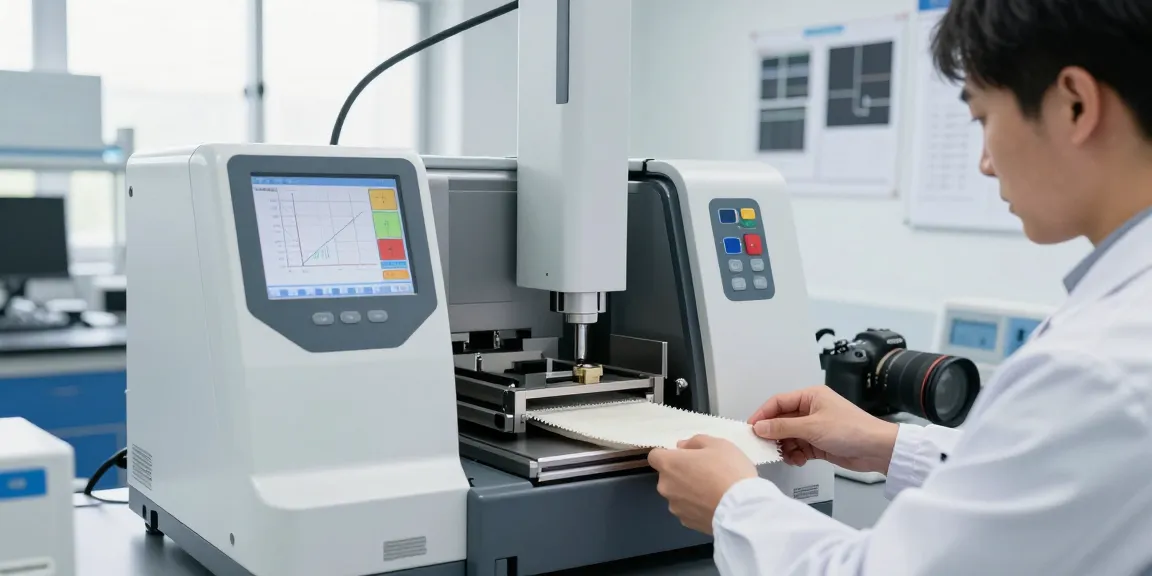
- Testing: Mechanical, chemical, and thermal property tests to ensure GRP meets specified standards.
- Inspection: Visual and physical inspections of final products to detect defects before shipment.
Innovative Technologies in GRP Production
Recent advancements in technology have transformed GRP production:
- Automation: Automated processes increase efficiency and reduce human error in manufacturing.
- 3D Printing: Emerging technology used for rapid prototyping, enabling faster product development cycles.
- Smart Materials: Incorporating sensors into GRP enhances functionality and monitoring capabilities.
- Sustainable Practices: Development of bio-based resins and recycling initiatives to mitigate environmental impact.
Applications of GRP in Real-World Scenarios
GRP in Construction and Infrastructure
In construction, GRP is used for:
- Roofing Systems: Providing durable, lightweight solutions that can withstand environmental conditions.
- Bridge Components: GRP's corrosion resistance makes it ideal for applications exposed to harsh conditions.
- Facades and Cladding: Offering aesthetic flexibility while ensuring structural integrity.
Automotive Applications of GRP
In the automotive industry, GRP finds use in:
- Body Panels: Lightweight panels reducing overall vehicle weight, enhancing fuel efficiency.
- Interior Components: Grills, dashboards, and other structural parts benefit from the strength and lightweight feature of GRP.
- Composite Structures: Supporting electric vehicle platforms where weight savings are crucial.
Marine Industry Uses of GRP
The marine industry relies on GRP for:
- Boat Hulls: Providing a lightweight alternative while ensuring strength and stability on water.
- Decks and Cabins: Offering customization and durability against sea conditions.
- Repair Materials: GRP is often used for patching and reinforcing existing structures.
Market Trends Affecting GRP Manufacturers
Emerging Trends in Composite Materials
Current trends influencing the GRP market include:
- Demand for Lightweight Materials: Increased focus in transportation sectors drives demand for composite materials.
- Growth in Renewable Energy: Use of GRP in wind turbine blades showcases innovative applications while promoting green energy.
- Integration with Digital Technologies: Adopting Industry 4.0 practices for improved efficiency and reduced waste in manufacturing.
Sustainability Trends for GRP Manufacturers
The push for sustainability affects GRP manufacturing through:
- Recycling Initiatives: Efforts to recycle GRP waste and using recycled materials in production processes.
- Low-VOC Resins: Development of resins that produce fewer volatile organic compounds (VOCs) during manufacture.
- Eco-Friendly Production Processes: Striving for energy efficiency and reduced pollution in manufacturing techniques.
Global Market Insights for GRP Manufacturing
The global market is shaped by a variety of factors:
- Regional Growth: Regions such as Asia-Pacific are witnessing rapid growth owing to industrialization.
- Technological Advancements: Innovations in manufacturing processes significantly impact competitiveness.
- Regulatory Environment: Stricter regulations on materials and emissions lead manufacturers to seek cleaner production methods.
Future Directions for GRP Manufacturers
Challenges Facing the GRP Manufacturing Industry
Manufacturers face several challenges, including:
- Raw Material Prices: Fluctuations in prices of glass fibers and resins can impact production costs.
- Quality Assurance: Maintaining consistent quality across various production batches remains a challenge.
- Market Competition: Increased competition from alternative materials demands continual innovation.
Investments and Innovations for Growth
To overcome challenges, GRP manufacturers must focus on:
- Research and Development: Investing in R&D to innovate new products and solutions.
- Partnerships: Collaborating with technology providers to improve production processes.
- Market Expansion: Exploring new geographical markets and applications for GRP products.
Preparing for the Future: Strategies for GRP Manufacturers
Key strategies include:
- Embracing Digital Transformation: Leveraging data analytics and automation for better decision-making and efficiency.
- Focus on Sustainability: Emphasizing environmentally friendly practices to meet consumer demands.
- Enhancing Customer Relationships: Building strong relationships with clients to better understand their needs and improve service delivery.
FAQs About GRP Manufacturing
1. What is GRP?
GRP stands for Glass Reinforced Plastic, a composite material made of glass fibers and polymer resin, known for its strength and lightweight properties.
2. What industries use GRP?
GRP is widely used in construction, automotive, and marine industries, among others, due to its versatility and durability.
3. How is GRP manufactured?
GRP is manufactured using various techniques, including hand lay-up, spray-up, filament winding, and injection molding, each suited to different applications.
4. What are the benefits of using GRP?
Benefits include lightweight construction, corrosion resistance, low maintenance, and the ability to mold into complex shapes for diverse applications.
5. Are there sustainability trends in GRP manufacturing?
Yes, manufacturers are adopting recycling initiatives, using low-VOC resins, and implementing eco-friendly production processes to promote sustainability.