Understanding 3PL: What It Is and Why It Matters
In today's fast-paced business environment, the complexities of supply chains have led many organizations to seek efficient solutions for their logistics needs. This is where 3PL (third-party logistics) comes into play. But what exactly is 3PL, and why is it so critical for modern businesses? This article will delve into the essentials of 3PL, examining its key components, the benefits it provides, and how to select the right 3PL partner for your organization.
The Concept of 3PL
At its core, third-party logistics (3PL) refers to the use of an external company to manage and execute part or all of a company's logistics operations. These services can include transportation, warehousing, distribution, and end-to-end supply chain management. By outsourcing logistics functions, businesses can focus on their core operations, thus improving efficiency and flexibility.
3PL vs. Traditional Logistics
Traditional logistics typically involves a single organization handling all functions internally, from warehousing to transportation. Conversely, 3PL breaks down these barriers, allowing companies to tap into specialized services. This shift not only boosts operational agility but also enhances scalability by enabling businesses to adjust service levels according to demand fluctuations.
Benefits of Utilizing 3PL
Engaging a 3PL provider opens several avenues for businesses, including:
- Cost Efficiency: Outsourcing logistics can reduce overhead costs significantly by minimizing the need for investments in warehouses, staff, and technologies.
- Expertise: 3PL providers bring specialized knowledge in logistics, providing insights and best practices that can improve overall efficiency.
- Flexibility: Businesses can easily scale their logistics services up or down based on market demand.
- Focus on Core Competencies: Delegating logistics frees up valuable company resources, allowing firms to concentrate on their primary objectives.
Key Components of 3PL Services
Transportation Management in 3PL
Transportation management is one of the core functions of 3PL. A 3PL provider typically maintains a network of carriers and can negotiate transportation rates, manage shipment scheduling, and monitor freight costs. Most providers incorporate technology solutions that enhance visibility in the shipping process, making it easier to track goods in real time and anticipate any potential issues.
Warehousing and Fulfillment: A Core Offering
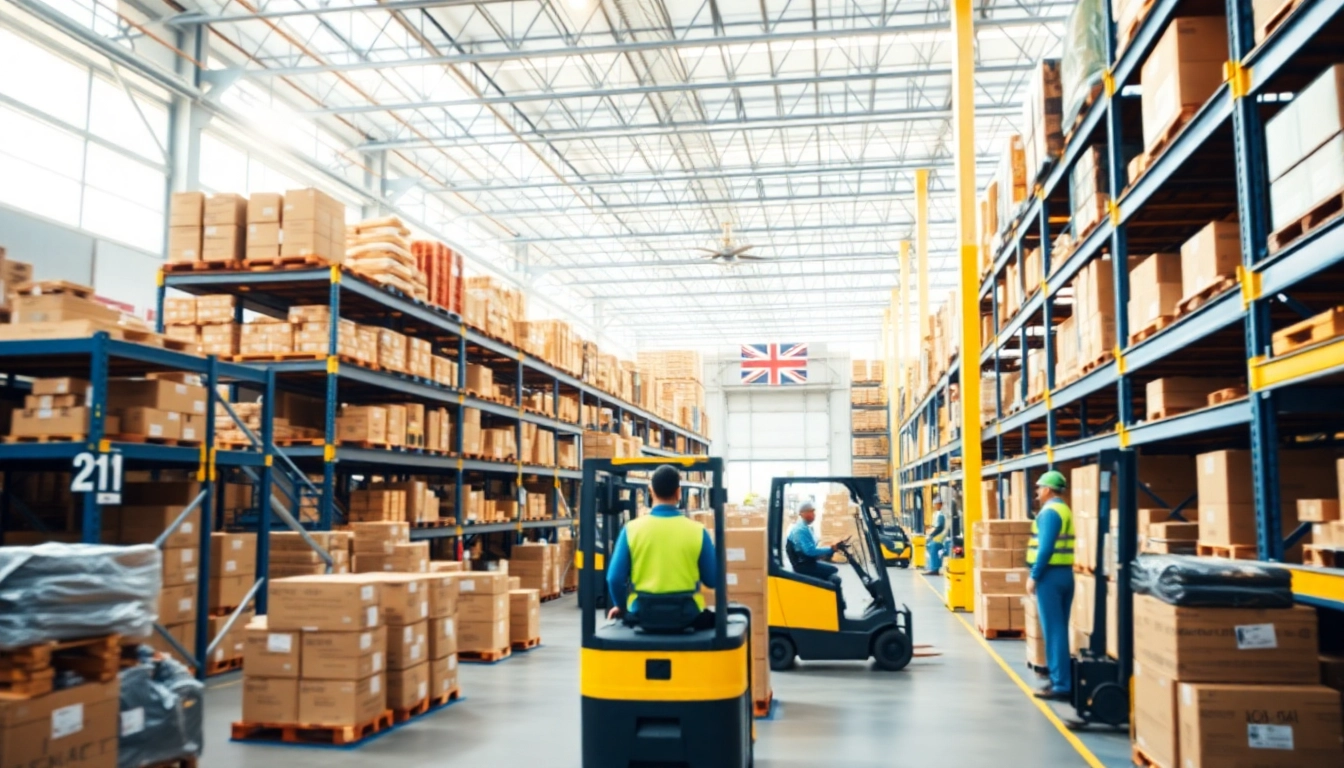
Warehousing plays a crucial role in 3PL. Many providers maintain extensive facilities equipped for various storage needs, including temperature-controlled environments for perishable goods. Fulfillment services, such as order picking, packing, and shipping, can help businesses meet customer demands efficiently while reducing delivery times.
Value-Added Services in 3PL
Beyond fundamental logistics functions, 3PL providers often offer value-added services that can enhance the overall supply chain. These may include:
- Custom Packaging: Tailored packaging solutions to meet specific customer requirements.
- Inventory Management: Real-time stock level monitoring and analytics to optimize supply chain performance.
- Returns Management: Efficient processes to handle product returns, making it easier for customers and companies alike.
Selecting the Right 3PL Partner
Criteria for Effective 3PL Selection
Choosing the right 3PL partner is crucial. Organizations should evaluate potential providers based on several criteria:
- Experience: Look for providers with a proven track record in your industry.
- Service Range: Ensure they offer the specific services necessary for your logistics needs.
- Technology: Check if they utilize advanced logistics technology for tracking and management.
- Customer Support: Consider the level and quality of support provided, especially in troubleshooting issues.
Assessing 3PL Capabilities and Technologies
Beyond the basic competencies, it is essential to assess a 3PL's technology integration and capabilities. This includes evaluating their warehouse management systems (WMS), transportation management software (TMS), and the overall scalability of their services. A robust technological foundation can greatly enhance efficiency and reduce operational hiccups.
How to Negotiate 3PL Contracts
Effective negotiation of 3PL contracts begins by clearly defining your logistics needs and establishing key performance indicators (KPIs). Be open about your requirements, and don’t hesitate to ask for clarity on terms and conditions. Understanding the fee structures, including fixed costs and variable charges, will ensure a more favorable agreement.
Challenges in 3PL Implementation
Common Pitfalls When Working with 3PL
Collaborating with a 3PL partner can present challenges. Common pitfalls include inadequate communication, unclear service expectations, and lack of integration with existing systems. To mitigate these risks, businesses should establish clear communication channels and ensure comprehensive documentation of agreements.
Maintaining Communication with 3PL Providers
Regular and transparent communication is essential in 3PL partnerships. Implement a structured communication plan involving scheduled updates and regular performance reviews to track progress against KPIs. This proactive approach fosters a stronger partnership and encourages continuous improvement.
Measuring 3PL Performance Metrics
Understanding how to measure the performance of a 3PL provider is vital. Key metrics should include:
- On-Time Delivery Rate: Percentage of shipments delivered on time.
- Accuracy of Order Fulfillment: Ratio of correctly fulfilled orders versus total orders.
- Cost Per Order: Total logistics costs divided by the number of orders fulfilled.
Future Trends in 3PL
The Impact of Technology on 3PL
The future of 3PL is heavily influenced by technological advancements. Innovations such as automation, artificial intelligence (AI), and data analytics are set to revolutionize logistics by enhancing accuracy, reducing labor costs, and improving decision-making processes. Companies leveraging these technologies will likely gain a competitive edge.
Sustainability Practices in 3PL
As environmental concerns grow, sustainability has become a pivotal focus for 3PL providers. Initiatives such as optimizing transportation routes to reduce emissions, using eco-friendly packaging materials, and implementing recycling programs will not only benefit the planet but also improve companies' public images.
The Role of 3PL in Global Supply Chains
With the increase in global commerce, the role of 3PL in managing the complexities of international logistics has become more pronounced. 3PLs can navigate regulatory compliance, customs procedures, and cross-border transportation challenges, thus enabling companies to expand their market reach while maintaining efficiency.
Frequently Asked Questions
1. What services do 3PL providers offer?
3PL providers offer a range of services including transportation management, warehousing, fulfillment, inventory management, and value-added services like packaging and returns processing.
2. How can 3PL help improve my business efficiency?
3PL can streamline logistics operations, reduce costs, and enhance scalability, allowing your business to focus on core competencies and respond swiftly to market changes.
3. What should I look for in a 3PL partner?
When selecting a 3PL partner, evaluate their experience, service offerings, technological capabilities, and the quality of customer support they provide.
4. How do I negotiate a contract with a 3PL?
To negotiate effectively, clarify your logistics needs, understand pricing structures, and ensure that key performance indicators are defined and agreed upon.
5. How can I measure the performance of my 3PL provider?
Performance can be measured through metrics like on-time delivery rates, order accuracy, and cost per order, which provide insights into operational efficiency.