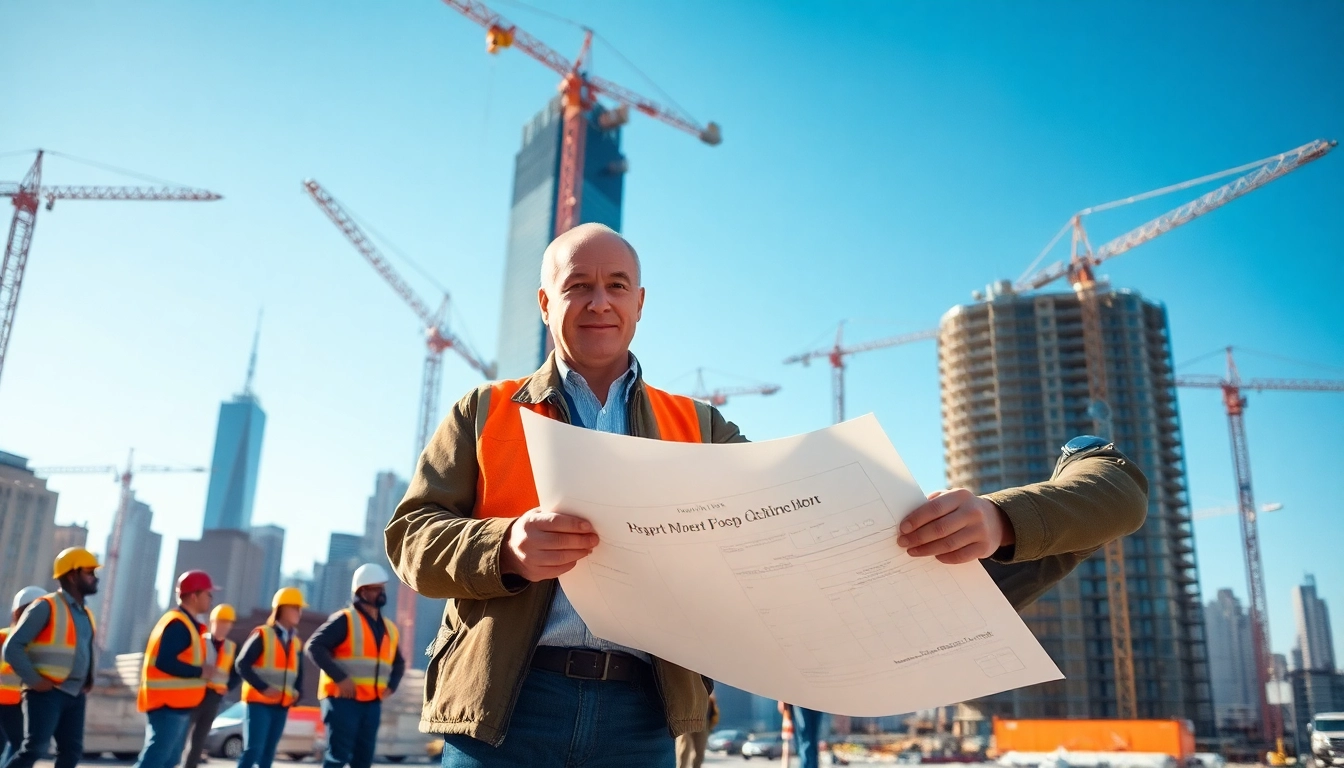
Understanding the Role of a New York City Construction Manager
The role of a New York City Construction Manager is multifaceted, combining technical knowledge with adept managerial skills. This position is pivotal in overseeing construction projects from inception to completion, ensuring quality, efficiency, and compliance with regulations. In a city known for its iconic skylines and complex infrastructures, the responsibilities of construction managers are both challenging and critical to the urban landscape.
Defining the Key Responsibilities
Construction managers in New York City are responsible for a wide array of tasks that aim to facilitate smooth project execution. Key responsibilities typically include:
- Project Planning: Developing detailed project plans, including timelines, budgets, and resource allocation.
- Team Coordination: Leading diverse teams, including contractors, architects, and engineers, ensuring collaborative efforts align with project goals.
- Quality Control: Overseeing the quality of materials and workmanship, conducting regular inspections, and ensuring compliance with building codes.
- Problem Solving: Addressing challenges as they arise, from supply chain delays to design discrepancies, to keep projects on track.
- Stakeholder Communication: Acting as the primary liaison between clients, contractors, and governmental agencies to facilitate clear communication and project transparency.
Essential Skills Required
Being a successful construction manager requires a unique blend of skills that span both technical and interpersonal domains. Essential skills include:
- Leadership: The ability to motivate and guide diverse teams towards common objectives.
- Technical Expertise: A thorough understanding of construction processes, materials, and engineering principles.
- Financial Acumen: Competence in budget management, funding acquisition, and cost estimation.
- Negotiation Skills: The capability to navigate contracts and resolve disputes effectively.
- Time Management: Expertise in scheduling, task prioritization, and meeting tight deadlines.
The Importance of Communication in Management
Effective communication is the backbone of successful construction management. A construction manager must ensure that all stakeholders—including clients, subcontractors, suppliers, and governmental bodies—are on the same page. The importance of communication can be highlighted through:
- Regular Updates: Providing ongoing project updates to stakeholders helps manage expectations and mitigate concerns.
- Conflict Resolution: Open lines of communication facilitate quicker resolution of conflicts and misunderstandings.
- Feedback Mechanisms: Encouraging feedback from team members can lead to improvements in processes and enhance team morale.
Regulatory Environment for a New York City Construction Manager
Navigating the regulatory landscape is critical for any New York City Construction Manager. New York's stringent building codes and regulatory requirements impact project timelines and budgets significantly.
Understanding Local Building Codes
New York City’s building codes are among the most comprehensive in the nation, designed to ensure safety, sustainability, and accessibility. Key aspects include:
- Zoning Laws: Regulations dictate land use, building heights, and densities. Understanding these laws is crucial for project viability.
- Safety Standards: Compliance with safety codes protects workers and the public, addressing aspects such as structural integrity and fire safety.
- Sustainability Requirements: Increased emphasis on green building practices necessitates adherence to environmental standards, including energy efficiency measures.
Navigating Permits and Licenses
Securing the necessary permits and licenses is a complex but essential process in the construction landscape of New York City. This includes:
- Building Permits: Required for most construction and renovation projects to ensure compliance with building codes.
- Permits for Specialized Work: Additional permits may be needed for plumbing, electrical work, and other specialized construction tasks.
- Licensing Requirements: Certain construction roles require specific licenses, such as licensed contractors or electricians.
Compliance with Environmental Regulations
Environmental regulations play a vital role in shaping construction practices. Key compliance areas include:
- Waste Management: Protocols for proper disposal of construction materials minimize environmental impact.
- Pollution Control: Measures must be taken to limit air and water pollution during construction activities.
- Energy Efficiency Standards: Adhering to standards fosters sustainable development and can result in cost savings for both clients and the community.
Tools and Technologies Used by a New York City Construction Manager
The construction industry is rapidly evolving, with technology playing a critical role in enhancing project management efficiency. A New York City Construction Manager must be adept at leveraging various tools and technologies to optimize project outcomes.
Project Management Software
Project management software has transformed how construction projects are planned and executed. Some notable features include:
- Task Management: Tools that allow for the assignment and tracking of tasks help improve accountability and efficiency.
- Time Tracking: Monitoring progress against timelines ensures projects remain on schedule and helps assess performance metrics.
- Document Management: Centralized storage of plans, contracts, and correspondence simplifies information access.
Technological Innovations in Construction
The introduction of innovative technologies is revolutionizing construction methodologies, leading to enhanced precision and efficiency. Key innovations include:
- Prefabrication: Off-site construction of components can lead to reduced waste and faster assembly times on-site.
- Drone Technology: Drones facilitate aerial site inspections and progress monitoring, providing real-time data and imagery.
- 3D Printing: This technology has the potential to dramatically reduce construction costs and material waste.
Building Information Modeling (BIM)
BIM is a transformative tool that allows construction managers to create a digital representation of physical and functional characteristics of projects. Benefits of BIM include:
- Improved Visualization: 3D models help stakeholders visualize the final outcome and make informed decisions during the design phase.
- Collaboration: BIM fosters collaboration among all parties involved, leading to improved coordination and communication.
- Cost Control: Accurate modeling can assist in estimating costs and managing budgets effectively, reducing the risk of overruns.
Challenges Faced by New York City Construction Managers
The path of a New York City Construction Manager is laden with challenges, each requiring adept solutions to maintain project integrity and success.
Managing Project Budgets Effectively
Budget overruns are a common pitfall in construction management. Reasons include unexpected delays, rising material costs, and labor shortages. Strategies to mitigate these issues involve:
- Thorough Estimation: Investing time in accurate project cost estimation can provide a realistic budget framework.
- Contingency Planning: Allocating a portion of the budget for unforeseen expenses can act as a safety net.
- Regular Financial Reviews: Conducting frequent budget reviews encourages accountability and early identification of financial discrepancies.
Addressing Labor Shortages
Labor shortages are a significant concern in the construction industry, particularly in urban environments. It poses several challenges, including delays and decreased productivity. Effective strategies include:
- Training and Development: Investing in workforce training programs can enhance skill sets and retain talent.
- Adopting Technology: Utilizing technology can streamline processes and compensate for labor shortages by increasing efficiency.
- Internship and Apprenticeship Programs: Facilitating partnerships with educational institutions can create a pipeline of skilled workers entering the workforce.
Ensuring Safety On-Site
Safety is paramount in construction, as the industry can pose significant risks to workers. A culture of safety can be fostered through:
- Regular Safety Training: Ongoing safety courses should be mandatory to keep all team members informed of current practices and regulations.
- Safety Equipment: Ensuring the availability and proper use of safety gear can significantly reduce accident rates on-site.
- Incident Reporting Systems: Implementing a robust reporting system for accidents and near misses encourages vigilance and accountability.
Career Pathways and Opportunities for a New York City Construction Manager
The field of construction management offers a plethora of career pathways and opportunities for growth. Aspiring New York City Construction Managers can explore various avenues to advance their careers.
Educational Requirements and Certifications
A strong educational foundation is vital for a successful career in construction management. Common requirements include:
- Bachelor's Degree: Most jobs require a degree in construction management, civil engineering, or a related field.
- Certifications: Pursuing certifications such as Certified Construction Manager (CCM) or Project Management Professional (PMP) can enhance credibility and job prospects.
- Internships: Gaining hands-on experience through internships or co-op programs enables practical understanding of the field.
Networking and Professional Development
Professional development and networking are essential for career advancement. Strategies include:
- Joining Professional Associations: Groups such as the Construction Management Association of America (CMAA) provide valuable resources and networking opportunities.
- Attending Industry Conferences: Participating in conferences and seminars can help build connections and stay updated on industry trends.
- Seeking Mentorship: Finding experienced mentors can provide guidance and expose less experienced managers to new opportunities and challenges.
Future Trends in Construction Management
The construction management landscape is continually evolving. Upcoming trends that aspiring managers should be aware of include:
- Sustainability Practices: Expect increased demand for environmentally friendly construction methods, driving the need for certification in sustainability.
- Digital Transformation: As digital tools and technologies become more prevalent, staying abreast of innovations will be crucial for success.
- Remote Work Opportunities: The rise of remote management tools and strategies allows for more flexible working arrangements and broader project oversight aims.