
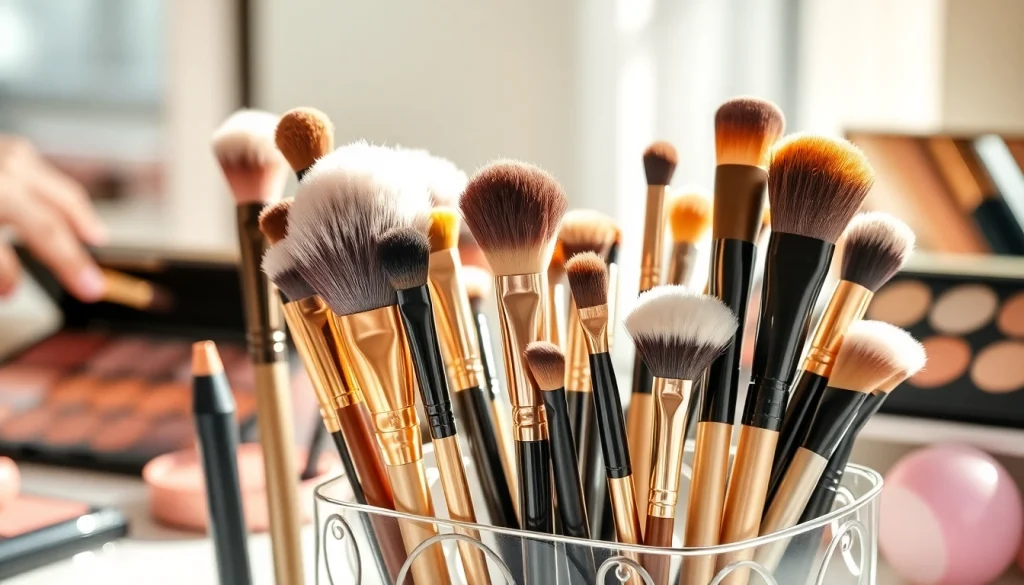

Understanding Makeup Blending Brushes
What are Makeup Blending Brushes?
Makeup blending brushes are specialized tools designed for seamlessly applying and blending various makeup products, including foundations, powders, and creams. Their unique construction, which typically features soft, densely packed bristles, allows for smooth application and helps create that coveted airbrushed finish. With the right makeup blending brushes, makeup enthusiasts can achieve a natural look, free from harsh lines or uneven textures.
Diverse Types of Makeup Blending Brushes
Makeup blending brushes come in various shapes and sizes, each designed to serve specific functions:
- Flat Blending Brushes: These brushes feature a flat shape, optimal for applying and blending liquid foundations and creams. They offer precise coverage, particularly in hard-to-reach areas.
- Round Blending Brushes: With a rounded shape, these brushes are excellent for blending eyeshadow or contour powders flawlessly. The tapered end allows for detailed work, such as defining the crease of the eyelid.
- Fluffy Blending Brushes: Ideal for softening edges and achieving a seamless blend of color, these brushes have a cloudy profile that diffuses makeup across the skin.
- Angled Blending Brushes: The slanted bristles help in contouring, highlighting, or offering a precise application of eyeshadow, defined by the angled edge that fits into facial contours.
Choosing the Right Brush for Your Needs
Selecting the perfect blending brush starts with understanding your makeup routine. Consider the products you use most often and the areas you want to enhance. A flat blending brush is ideal if you primarily use liquid foundations, while a fluffy brush may be necessary for soft eyeshadow looks. Additionally, be mindful of the bristle materials – natural hair brushes are fantastic for powders, while synthetic brushes are better suited for cream products. Ultimately, investing in a versatile set of brushes will equip you to tackle various looks and styles.
Benefits of Using Quality Makeup Blending Brushes
Enhanced Application Techniques
Quality makeup blending brushes significantly improve application techniques. They provide a blend of firmness and softness, allowing control over product placement while ensuring a smooth finish. A well-crafted brush allows for easy layering and blending of colors, minimizing the risk of streaks or patches. This ease in application supports both novice and professional makeup artists in mastering diverse techniques.
Improved Makeup Longevity
Using quality brushes can extend the longevity of makeup by allowing primers, foundations, and setting powders to adhere better to the skin. By applying products evenly, you create a smoother base that reduces the likelihood of fading or settling into fine lines throughout the day. Moreover, a consistent application with superior brushes can contribute to a more polished and professional-looking finish.
Creating a Flawless Finish
A flawless makeup look is often the result of quality brushes that effectively blend products together. Brushes with soft bristles minimize the appearance of pores and imperfections, allowing for a more skin-like finish. The ability to expertly blend edges gives a natural transition between product areas, accentuating your features rather than masking them. With practice, using makeup blending brushes can lead to a harmonious balance that enhances rather than overwhelms your natural beauty.
How to Properly Use Makeup Blending Brushes
Step-by-Step Application Guide
- Prep Your Skin: Start with a clean and moisturized face to create a smooth canvas for makeup.
- Select Your Products: Choose the appropriate liquid, cream, or powder makeup products based on your desired look.
- Load Your Brush: Dip the bristles into your product and gently tap off the excess to prevent over-application.
- Apply Strategically: Focus on key areas of the face, such as cheeks, forehead, and jawline, applying a small amount of product.
- Blend: Use circular motions or gentle strokes to blend the product into the skin, ensuring an even distribution.
- Layer as Necessary: If more coverage is needed, repeat the application and blending steps for a seamless look.
Common Mistakes to Avoid
Even the most experienced makeup artists can make mistakes. A few common pitfalls include:
- Using a Dirty Brush: A dirty brush can harbor bacteria and lead to skin irritation or breakouts.
- Applying Too Much Product: Overloading the brush can result in an unnatural appearance.
- Neglecting to Blend: Failing to blend products adequately can create harsh lines that diminish the overall look.
- Choosing the Wrong Brush: Using the wrong brush type can greatly impact the final result. Be intentional about your selection.
Best Practices for Blending Techniques
To master the art of blending, consider the following best practices:
- Always begin with less product; you can build as needed.
- Use the right pressure; too much force can disrupt the makeup layer.
- Practice different techniques; experimenting with a range of motions will enhance your blending skills over time.
- Utilize different brush sizes for precision where needed; smaller brushes help with detail, while larger ones are suitable for broader areas.
Maintenance and Care for Your Makeup Blending Brushes
Cleaning Techniques for Longevity
To keep your makeup blending brushes in optimal condition, it’s crucial to clean them regularly. Use a gentle brush cleaner or a mixture of warm water and a mild soap. Gently swirl the bristles in the solution, rinse thoroughly, and reshape the bristles before laying them flat to dry. Avoid soaking the ferrule (the metal part holding the bristles) to prolong the lifespan of the brush.
When to Replace Your Brushes
It’s essential to monitor the wear and tear of your brushes. Signs that it may be time for a replacement include:
- Brushed bristles that have lost their shape.
- Severe shedding of bristles, indicating reduced quality.
- Unpleasant odors that persist even after thorough cleaning.
- Inability to blend products effectively due to the bristles being too rough or damaged.
Storage Solutions for Your Brushes
Proper storage of your makeup blending brushes is important to protect them from damage. Consider these storage solutions:
- Brush Holder: Use a dedicated brush holder or cup to keep your brushes upright and accessible.
- Roll-Up Cases: For those on the go, a roll-up case can protect your brushes while taking up minimal space.
- Airtight Compartment: Keeping brushes in an airtight compartment can prevent dust build-up and maintain cleanliness.
Frequently Asked Questions About Makeup Blending Brushes
How often should I clean my makeup blending brushes?
Clean your brushes at least once a week to prevent bacteria buildup. Use gentle soap and warm water.
Can I use makeup blending brushes for multiple products?
Yes, but ensure they are clean between uses to avoid mixing colors and products.
What’s the difference between natural and synthetic bristles?
Natural bristles are great for powder products, while synthetic bristles work well for liquids and creams.
Are expensive brushes worth it?
Higher quality brushes often provide better application and durability, making them a worthwhile investment.
How do I choose the right size of blending brush?
Choose brush sizes according to the area you’re working on; smaller brushes for detailed areas, larger for broader coverage.