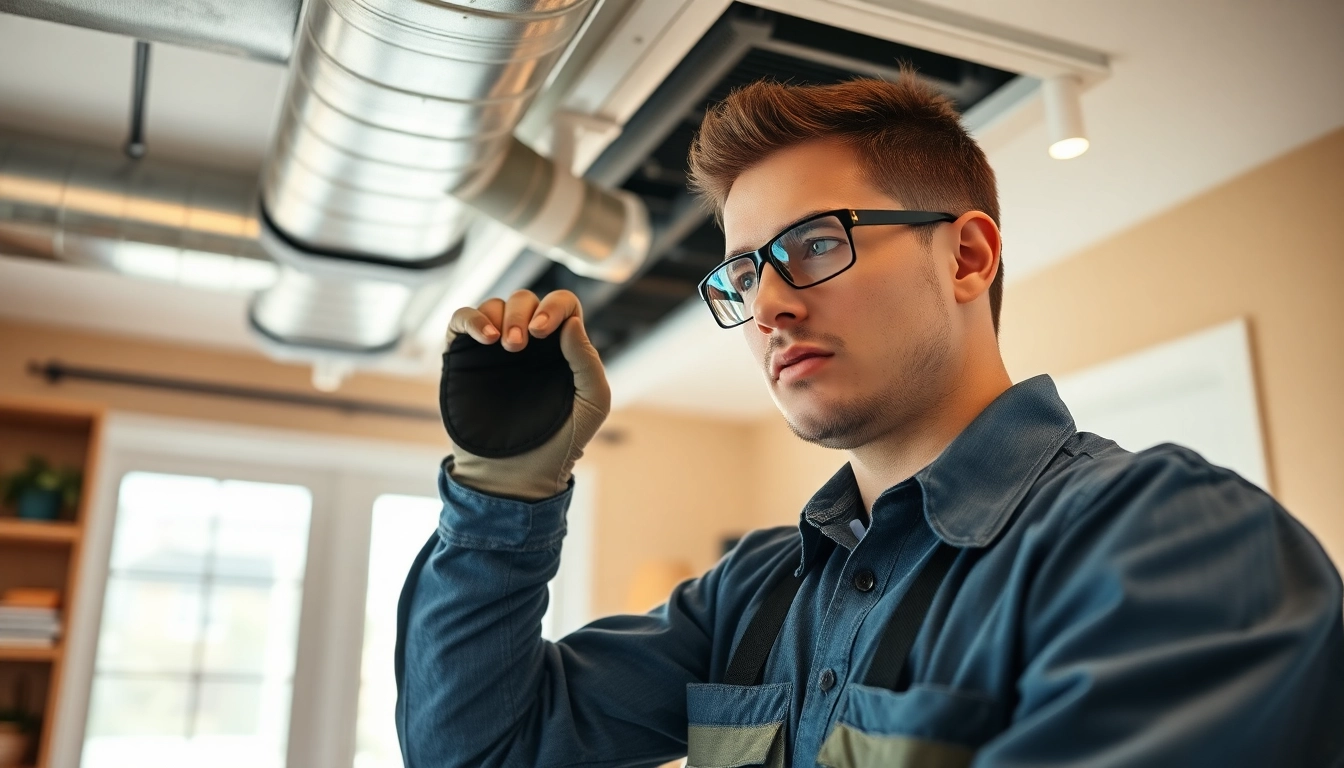
Understanding Duct Cleaning and HVAC Inspection
Maintaining a comfortable indoor environment involves more than just adjusting the thermostat. A crucial aspect of home maintenance is ensuring that your heating, ventilation, and air conditioning (HVAC) system operates efficiently. Integral to this are duct cleaning and HVAC inspection. These services not only enhance air quality but also contribute to the overall lifespan of your HVAC system. In this comprehensive guide, we will explore the fundamentals of duct cleaning and HVAC inspection, their importance, signs that indicate you need these services, benefits, and how to select the right service provider.
What is Duct Cleaning?
Duct cleaning is the process of removing dust, dirt, and other debris from the air ducts in your home. Over time, these ducts can become clogged with accumulated contaminants, which can be detrimental to indoor air quality. Professional duct cleaning involves the use of specialized equipment like vacuums and brushes to thoroughly clean the internal surfaces of the ducts, ensuring that air can flow freely. This process typically includes cleaning return ducts, supply ducts, and any other components of the HVAC system that lead to air distribution.
The Importance of HVAC Inspection
An HVAC inspection is a systematic examination of your heating and cooling systems to verify their condition and efficiency. Regular inspections help identify potential issues before they escalate into expensive repairs. Key elements of an HVAC inspection include checking the thermostat, examining electrical connections, assessing refrigerant levels, and cleaning or replacing filters. By investing in routine inspections, homeowners can ensure that their HVAC systems function efficiently, maintain energy efficiency, and provide longevity.
Signs Your Home Needs Both Services
Recognizing when your home requires duct cleaning and HVAC inspection can save you time and money. Here are some signs to watch for:
- Increased Allergies: If you or your family members are experiencing heightened allergy symptoms, it might indicate that dust and allergenic particles are circulating through your HVAC system.
- Unpleasant Odors: Foul smells when the system is running may point to mold, mildew, or dust buildup in the ducts.
- Inefficiency: If your HVAC system is struggling to maintain temperature, it may not be working efficiently due to dirty ducts or a malfunctioning component.
- Visible Dust: If dust is visibly accumulating faster than usual in your home, the ducts might need cleaning, as they are distributing dust throughout your living spaces.
- Recent Renovations: Construction creates a lot of dust and debris; inspecting your HVAC system post-renovation is wise.
Benefits of Professional Duct Cleaning and HVAC Inspection
Improved Air Quality
One of the primary motivations for duct cleaning is the improvement of indoor air quality. When your ducts are clean, the air that circulates through your home is fresher and ultimately healthier. Common contaminants like dust, pollen, pet dander, and mold can exacerbate respiratory issues, especially in individuals with asthma or allergies. By removing these pollutants, professional duct cleaning ensures that you breathe clean air, reducing health risks associated with poor indoor air quality.
Energy Efficiency Gains
Dirty ducts can hinder airflow and force your HVAC system to work harder, resulting in higher energy consumption and soaring utility bills. A thorough duct cleaning improves airflow, allowing your HVAC system to operate more efficiently. As a result, you'll likely notice lower energy bills and extended equipment life. Proactive HVAC inspections can also catch inefficiencies in the system, leading to further energy savings and performance improvements.
Enhanced System Longevity
Regular inspections and cleanings contribute to the longevity of your HVAC system. By addressing small issues during routine checks, you can prevent major breakdowns that could necessitate costly repairs or replacements. A clean and well-maintained system is less likely to experience wear and tear, allowing it to operate efficiently for many years. The initial investment in these services often pays for itself through reduced maintenance costs and extended equipment life.
How to Choose a Service Provider for Duct Cleaning and HVAC Inspection
Key Credentials to Look For
When selecting a service provider, it's essential to ensure they are certified and experienced in duct cleaning and HVAC inspection. Look for certifications from recognized associations such as the National Air Duct Cleaners Association (NADCA). These credentials demonstrate that contractors understand practices that conform to industry standards, ensuring safe and effective service.
Evaluating Service Reviews
Reviews and testimonials from previous clients can provide critical insight into the quality of a service provider’s work. Websites like Google, Yelp, and Better Business Bureau can help you gauge customer satisfaction. Pay attention to comments about punctuality, thoroughness, professionalism, and after-service support. A reputable provider should have consistent, positive feedback from satisfied customers.
Understanding Costs and Estimates
Obtaining detailed estimates from multiple providers allows you to compare services and pricing. Beware of extremely low bids, which may indicate substandard work or hidden costs. A reputable company should offer a clear breakdown of costs, including services rendered, equipment used, and any necessary follow-up. While budget is a consideration, prioritize quality and service reputation to ensure you receive long-term value.
DIY vs. Professional Duct Cleaning and HVAC Inspection
Advantages of Hiring Professionals
While some may consider attempting duct cleaning or an HVAC inspection themselves, the expertise and equipment professionals offer usually lead to better results. Professionals are trained to identify issues that may not be obvious to the untrained eye, and they possess commercial-grade tools that ensure thorough cleaning. Furthermore, they can provide valuable insights into your system's condition and maintenance needs.
Limited DIY Techniques
Basic maintenance, such as changing filters and removing visible dust around the vents, can serve as helpful DIY tasks. However, deeper cleaning techniques, especially in complicated duct systems, generally require professional assistance. Many homeowners may not have access to specialized equipment or the knowledge to perform a comprehensive job properly, which can lead to inadequate cleaning or system damage.
Safety Considerations
When it comes to HVAC systems, safety is paramount. Improper handling of equipment can lead to electrical hazards or damage to the system components. Additionally, cleaning ducts without the right protective measures can release harmful particles back into your home environment. Hiring qualified professionals ensures safety standards are adhered to, and the job is completed without risk to your home or system.
Maintenance Tips for Your HVAC System
Regular Filter Changes
Changing air filters regularly is one of the simplest yet most effective maintenance tasks you can do for your HVAC system. Clogged filters hinder airflow and can lead to system strain and inefficiency. Check your filters every month, especially during peak usage seasons, and replace them as necessary, typically every 3 months for standard filters.
Scheduled Tune-Ups
Scheduling seasonal HVAC tune-ups is essential to ensure optimal performance. These checks often involve a thorough examination of the entire system, including cleaning components, assessing refrigerant levels, and testing system controls. A well-timed tune-up can help your system run smoothly and efficiently, reducing the risk of unexpected breakdowns.
Listening to Your System's Needs
Your HVAC system often provides signals when it requires attention. Listen for unusual noises, monitor temperature fluctuations, and keep an eye on your energy bills for sudden spikes. Ignoring these signs can lead to major issues down the road. If something seems off, consult a professional for a comprehensive inspection to diagnose and resolve any potential problems.
What is duct cleaning?
Duct cleaning involves removing dust, debris, and contaminants from air ducts to improve indoor air quality.
How often should I have HVAC inspection?
It's recommended to inspect your HVAC system at least once a year to ensure optimal performance and prevent issues.
Can I perform duct cleaning myself?
While some basic maintenance can be DIY, professional services ensure a thorough cleaning and safety.
What are the signs I need duct cleaning?
Look for dust buildup, odd odors, or increased allergy symptoms, indicating it may be time for duct cleaning.
Does duct cleaning improve energy efficiency?
Yes, clean ducts allow for better airflow, potentially reducing energy costs and improving system efficiency.