Understanding the Oil Drain Pan
What is an Oil Drain Pan?
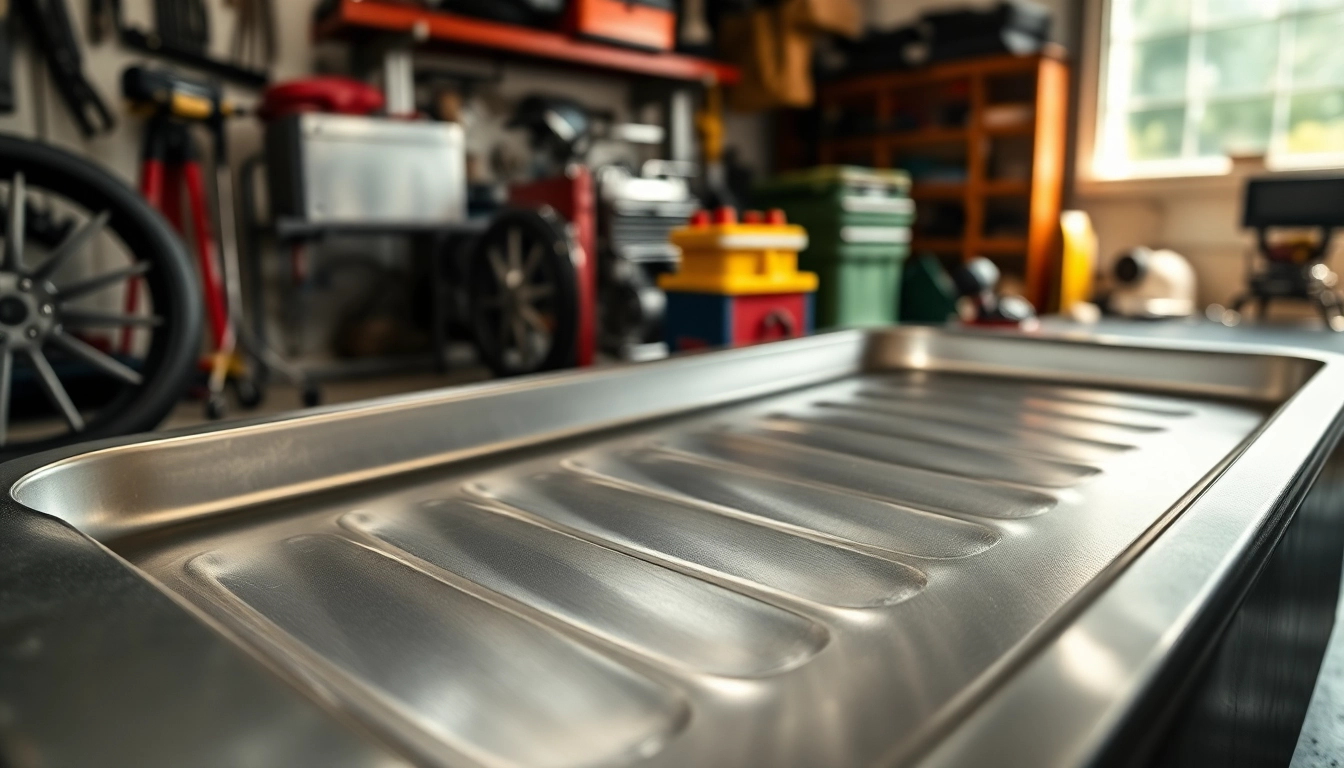
An Oil Drain Pan is a crucial tool designed for collecting and draining oil from vehicles and machinery. It typically features a shallow, wide body made from durable materials and is intended to prevent spills and any associated mess during the oil change process. Various designs cater to different vehicle applications, ensuring that they can accommodate the specific requirements of the job.
Why Use an Oil Drain Pan?
Using an oil drain pan provides several advantages. Primarily, it helps maintain a clean work environment by containing fluids that would otherwise create difficult-to-clean stains. This functionality not only promotes cleanliness but also enhances safety by reducing the risk of slips and falls associated with spilled oil. Additionally, the oil drain pan can facilitate the recycling of used oil, which is both an environmentally responsible choice and often a legal requirement in many jurisdictions.
Key Components of an Oil Drain Pan
Understanding the components of an oil drain pan can enhance its effective use:
- Material: Commonly made from plastic or metal, each material has its own benefits like durability and resistance to corrosion.
- Capacity: Pans come in various sizes, usually ranging from 2-quart to over 10-quart capacities, suitable for different vehicles.
- Spout: Many oil drain pans include a spout to facilitate pouring the collected oil into containers without messy spills.
- Handle: A sturdy handle can aid in transporting the pan, especially when it's filled with fluid.
Selecting the Right Oil Drain Pan
Material Considerations for Oil Drain Pan
The material of an oil drain pan significantly influences its efficiency and longevity. Plastic pans are lightweight and often more affordable, making them a popular choice for DIY mechanics. However, they may be less durable and can crack over time when exposed to hot liquids. On the other hand, metal pans, often made from steel or aluminum, offer greater durability and resistance to high temperatures and chemicals. When choosing an oil drain pan, consider the type of oil you will be collecting and the pan's susceptibility to corrosion or damage.
Size and Capacity Explained
Choosing the right size for your oil drain pan is essential for efficient oil changes. The capacity of typical oil drain pans varies widely; for instance, a standard passenger vehicle might require a 5-quart pan, whereas larger vehicles like trucks may need a 10-quart capacity or more. Oversized pans can provide extra leeway if multiple oil changes or additional fluids are involved, but ensure the pan is manageable to lift safely even when full.
Special Features to Look For
Beyond basic design elements, look for features that enhance usability:
- Integrated Spouts: A well-designed spout allows for clean pouring when transferring oil for recycling.
- Transparent Sections: Having a clear measurement line can help track the amount of oil removed.
- Anti-Drip Designs: Some pans incorporate features to minimize spillage during transport.
- Stackability: Consider options that are easy to store, especially for users with limited space.
Maintenance Tips for Your Oil Drain Pan
Cleaning and Storing Your Oil Drain Pan
Regular cleaning of your oil drain pan is essential to maintain its condition and usability. After use, promptly rinse the pan with water and a mild detergent to remove oil residues. If oil stains persist, consider using degreaser solutions. Ensure the pan is completely dry before storage to prevent mold and mildew. Store the oil drain pan in a cool, dry place, preferably away from direct sunlight to prevent material degradation.
Preventing Damage and Corrosion
Corrosion can shorten the lifespan of your oil drain pan. Metal pans are especially prone to rust when they have accumulated moisture or oil residue. To prevent corrosion, you should ensure the pan is clean and completely dry after each use. Additionally, avoid using sharp tools to scrape off excess oil, as this can scratch the surface, making it more susceptible to rusting. If using plastic materials, store them in environments that aren't subject to extreme temperatures.
Extending the Lifespan of the Oil Drain Pan
Several practices can help extend your oil drain pan's lifespan. Regular maintenance, as discussed, is fundamental. Always exercise care when using the pan, avoiding any heavy impact that could lead to cracks or dents. If your pan has a removable drainage spout, ensure its integrity as well, replacing it if it becomes damaged. Chemical resistance of the pan material is valuable; avoid prolonged contact with harsh solvents or chemicals outside of what the pan is designed for.
Environmentally Responsible Use of Oil Drain Pan
Proper Disposal of Oil
Proper disposal of used oil and oil drain pan contents is not just good practice; it is the law in many areas. Never dispose of oil by pouring it down the drain, onto the ground, or in the trash. Instead, collect the used oil in a sealed container and take it to a designated recycling location or used oil collection center. Also, some automotive shops offer oil recycling services.
Recycling Options for Used Oil and Oil Drain Pan
Recycling used oil not only helps protect the environment but can also be a source of sustainable energy. Many facilities can refine used oil into base lubricating oils, and it can also be repurposed for heating and energy production. Moreover, when the time comes to replace your oil drain pan, check local recycling programs that accept old oil pans, ensuring they do not contribute to landfill waste.
Using Oil Drain Pan in Eco-Friendly Practices
An oil drain pan promotes eco-friendliness by enabling proper fluid management during maintenance tasks. Incorporating good practices such as cleaning spills immediately, using funnels for added precision, and ensuring tools and containers are not contaminated can prevent hazardous waste. Furthermore, opting for biodegradable cleaning agents can minimize the chemical impact on the environment.
Frequently Asked Questions about Oil Drain Pan
How do I choose the right size oil drain pan?
Select an oil drain pan based on your vehicle's oil capacity. Most passenger vehicles require a 5-qt pan, while larger vehicles, like trucks, may need 10 qt or more for effective draining.
Can I use an oil drain pan for other fluids?
Yes, an oil drain pan can also handle other automotive fluids, including transmission fluid and coolant. However, ensure compatibility with the materials used in your pan to avoid damage.
What is the best way to clean my oil drain pan?
Clean your oil drain pan with hot, soapy water or a degreaser. Rinse thoroughly and let it dry completely before storing to prevent mildew or corrosion.
How often should I replace my oil drain pan?
Replace your oil drain pan if you notice any cracks, leaks, or severe wear that compromises its functionality or creates a safety hazard.
Is an oil drain pan necessary for changing oil?
While it may be possible to change oil without one, an oil drain pan is highly recommended. It collects used oil safely and helps maintain a clean, spill-free environment during the process.