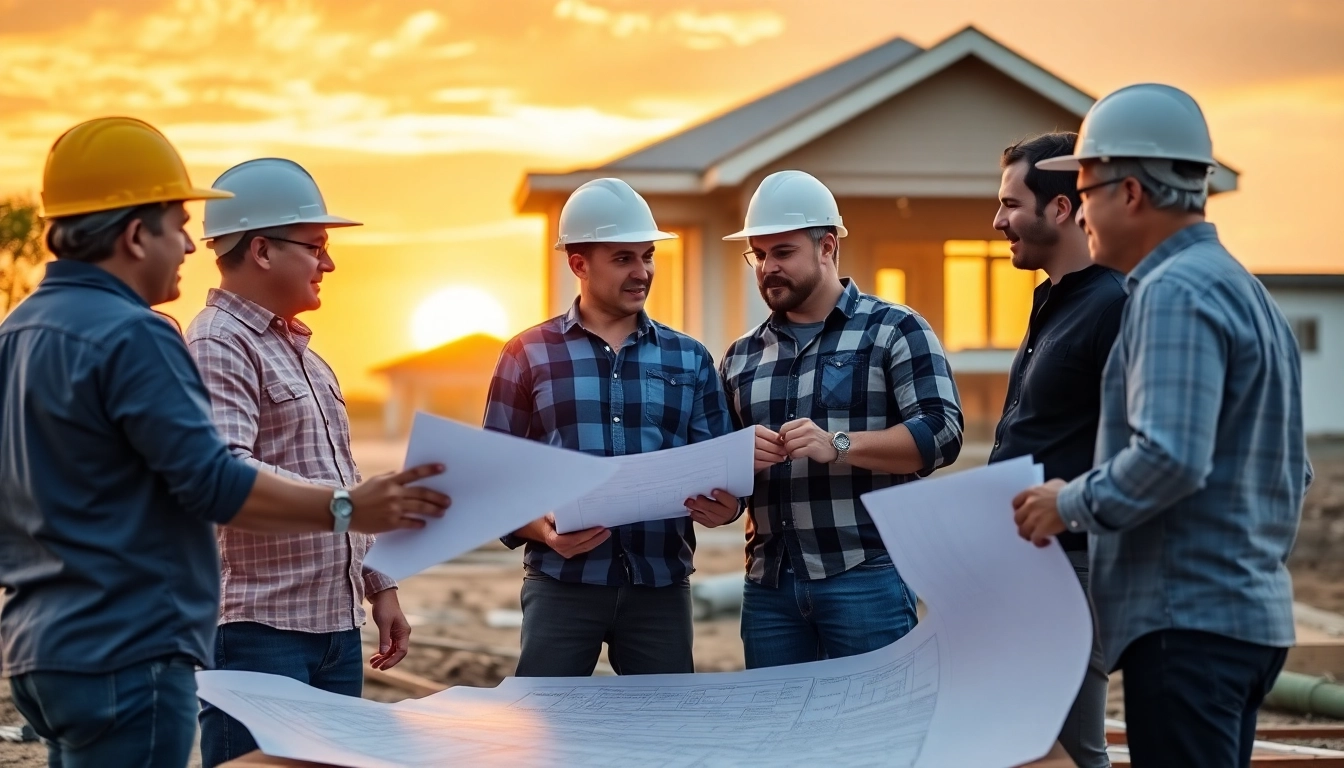
The Importance of the Texas Association of Builders
Overview of the Texas Association of Builders
The Texas Association of Builders (TAB) serves as a unifying force in one of the nation's most vibrant housing markets. Established to promote and protect the interests of the building industry in Texas, TAB is an instrumental body that connects builders, suppliers, and homeowners. With a membership base that approaches 10,000 professionals, TAB stands as an affiliate of the National Association of Home Builders and comprises 26 local home builders associations across the state. The organization's primary objective is to create a favorable business environment and advocate for the interests of builders and consumers alike, ensuring sustainable growth in housing development across Texas.
Key Objectives of the Association
The Texas Association of Builders focuses on several core objectives: enhancing housing options, promoting fair business practices, and fostering community development. Among these objectives, the foremost is to advocate for policies that facilitate better building regulations and eliminate unnecessary barriers. TAB directly engages with legislators to influence housing-related policy, ensuring that all stakeholders' needs are considered. Additionally, the association actively seeks to provide education and training to its members, equipping them with the resources necessary to navigate an ever-changing industry landscape effectively.
Membership Benefits for Builders
Joining the Texas Association of Builders offers numerous advantages for builders, from networking opportunities to access to a wealth of resources. Members benefit from:
- Advocacy: A robust lobbying presence ensures that builders' concerns reach policymakers.
- Education and Training: Access to workshops, seminars, and certification programs to upskill and stay compliant with regulations.
- Networking Opportunities: Events that allow members to meet with other professionals, potential clients, and industry leaders.
- Industry Insights: Regular updates on market trends and construction practices through publications and newsletters.
- Builder Resources: Exclusive access to essential tools, contracts, templates, and marketing materials.
Advocacy and Support in the Industry
Legislative Influence on Housing Policy
One of TAB's critical roles is its influence on local, state, and national housing policies. The association engages with lawmakers and provides expert testimony on legislation that affects the building industry. This advocacy is vital for ensuring favorable outcomes on issues such as zoning laws, taxation, environmental regulations, and labor laws. By lobbying for policies supporting affordable housing and reducing regulatory burdens, TAB strengthens Texas' housing market, ultimately benefiting builders and homeowners alike.
Resources for Navigating Regulations
Navigating the regulatory landscape in Texas can be daunting for builders, particularly new entrants. The Texas Association of Builders offers comprehensive resources to help members comply with industry standards and regulations. These resources include:
- Guides and Handbooks: Detailed documents outlining state and local building codes, safety regulations, and best practices.
- Legal Support: Access to legal experts who specialize in construction law to offer advice and representation.
- Compliance Workshops: Regularly scheduled sessions designed to educate members on changes in regulations and how to adapt.
Community Engagement and Support Programs
Community is at the heart of the Texas Association of Builders' mission. The organization actively engages with local communities through outreach programs aimed at education, job training, and disaster relief. TAB works alongside various non-profits and governmental organizations to:
- Promote Affordable Housing Initiatives: Partnering to create more accessible housing opportunities for low-income families.
- Disaster Response: Providing resources and support for builders assisting communities affected by natural disasters.
- Educational Initiatives: Offering programs that illuminate career paths in the construction industry, targeting youth and underrepresented populations.
Upcoming Events and Training Opportunities
Annual Conferences and Workshops
Annual conferences hosted by TAB are milestones on the calendar for all industry professionals. These events facilitate networking, education, and the sharing of innovative ideas. Attendees can expect:
- Keynote Speakers: Insights from leading industry figures and policymakers.
- Workshops: Practical sessions covering trending topics such as smart home technology, energy-efficient building techniques, and market forecasting.
- Exhibitions: Opportunities to explore innovative products and technology that can enhance building processes.
Certification Programs for Builders
In a competitive market, certifications can distinguish builders from their peers. TAB offers several certification programs designed to elevate the skill sets of Texas builders:
- Certified Builder Program: A comprehensive training program that covers all aspects of home building, including sales, marketing, and technical skills.
- Green Building Certification: This program focuses on sustainable practices and energy-efficient construction techniques.
- Residential Construction Superintendent Certification: Aimed at enhancing project management skills and improving on-site efficiency.
Networking Events for Members
Networking is essential in the construction industry, where relationships often drive business opportunities. TAB organizes various networking events, providing members with chances to connect and collaborate:
- Networking Mixers: Casual gatherings that promote relationship-building among members.
- Local Association Meetings: Opportunities to connect with nearby builders and discuss regional challenges and successes.
- Specialized Interest Groups: Focus groups where members can network around specific segments of the industry, such as remodelers or land developers.
Best Practices for Home Builders in Texas
Adopting Sustainable Building Techniques
Sustainability is increasingly crucial in the building industry. Builders in Texas are encouraged to adopt sustainable building practices, which not only reduce the environmental impact but also attract environmentally-conscious buyers. Best practices include:
- Incorporating Energy-Efficient Technologies: Using energy-efficient appliances, insulation, and windows can significantly lower energy consumption.
- Utilizing Recycled Materials: Sourcing materials that are recycled or have low environmental impact enhances sustainability.
- Designing for Energy Efficiency: Planning layouts that maximize natural light and airflow can reduce reliance on artificial heating and cooling.
Quality Assurance in Construction Projects
Quality assurance is vital for maintaining a builder's reputation in the competitive Texas market. Builders should focus on:
- Implementing Quality Control Processes: Establishing checkpoints throughout the construction process to ensure standards are met.
- Conducting Regular Inspections: Employing third-party inspectors can provide unbiased assessments of construction quality.
- Training for Workers: Regular skill development ensures that team members are up to date with construction standards and practices.
Utilizing Technology in Home Building
Adopting advanced technology can streamline operations and improve the overall quality of construction. Builders in Texas should explore technologies such as:
- BIM (Building Information Modeling): This software allows builders to create 3D models of their projects, improving planning and reducing errors.
- Construction Management Software: Tools that facilitate project management enable better tracking of timelines, budgets, and communication.
- Drones: Used for site surveying and safety inspections, drones can significantly enhance efficiency and accuracy.
Future Trends Impacting the Housing Market
Impact of Economic Changes on Builders
The housing market is inherently tied to the larger economy. Builders must remain agile and responsive to economic shifts, which can impact material costs, labor availability, and buyer preferences. Economic trends like:
- Inflation Rates: Rising material costs can squeeze profit margins; builders should consider securing long-term contracts with suppliers.
- Interest Rates: Fluctuations can influence homebuyer affordability, necessitating adjustments in pricing strategies.
- Unemployment Rates: A strong labor market can drive demand for new homes, while downturns may require innovative marketing strategies.
Emerging Technologies in Construction
As technology evolves, builders must stay informed and adaptable. Some emerging technologies reshaping the construction landscape include:
- Prefabrication and Modular Construction: This approach allows builders to construct components off-site, reducing time and labor costs.
- 3D Printing: By printing building materials, this technology offers innovative solutions to traditional construction challenges.
- Smart Home Automation: Integrating smart technologies into homes enhances energy efficiency and customer satisfaction.
Community Growth and Housing Demand
As Texas communities continue to grow, the demand for housing remains a pressing concern. Builders must anticipate and respond to trends in community development:
- Densification: Urban areas are experiencing increased demand for multifamily housing, pushing builders to adapt their strategies.
- Suburban and Rural Expansion: Many are seeking homes outside urban centers, requiring builders to explore opportunities in less populated areas.
- Affordability Challenges: As costs rise, builders may need to innovate financing solutions or alternative building methods to offer affordable housing.