
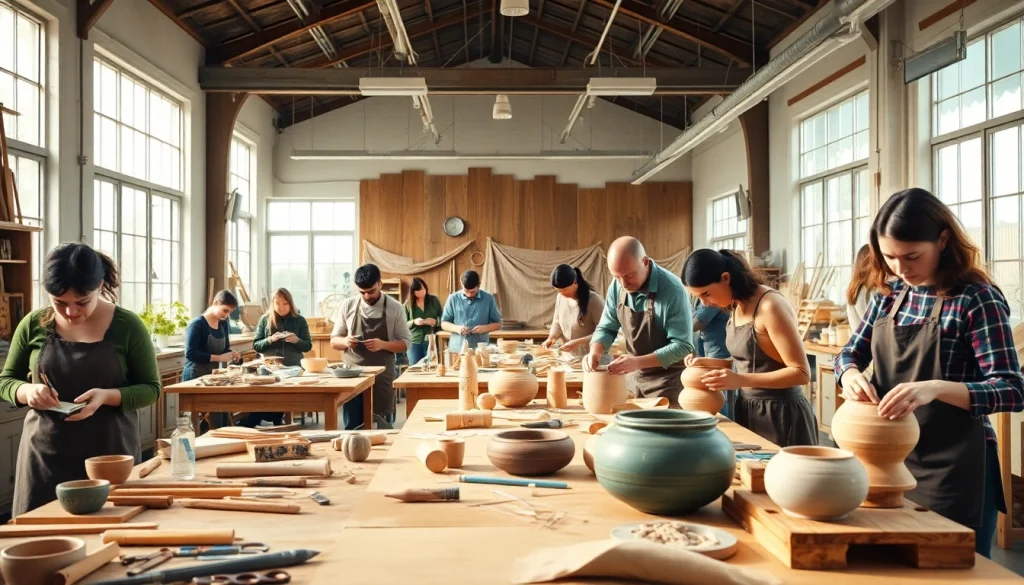

Introduction to Craft Training Programs
In an increasingly automated world, the significance of craft training programs cannot be overstated. These programs empower individuals to hone their skills, explore creativity, and develop craftsmanship that stands out in a saturated job market. Through hands-on experiences and structured learning, participants can master various techniques, opening pathways to both personal fulfillment and professional opportunities.
What Are Craft Training Programs?
Craft training programs encompass a diverse range of learning experiences focused on improving specific skills related to crafts such as woodworking, pottery, jewelry making, textiles, and more. These programs often blend theoretical knowledge with practical application, allowing participants to immerse themselves in the craft of choice. From beginner to advanced levels, craft training programs cater to various skill levels, providing a holistic approach to learning.
The Importance of Craft Skills in Today’s Context
As technology reshapes many professions, craft skills have gained renewed importance, providing a unique blend of aesthetic and functional value. Craftsmanship fosters creativity, critical thinking, and problem-solving abilities, making it a valuable asset in various fields. Moreover, in a world where mass production often sacrifices individuality, handcrafted artistry becomes a sought-after commodity. Individuals equipped with craftsmanship skills stand out, enhancing their employability and entrepreneurial potential.
Objectives of Craft Training Programs
The primary objectives of craft training programs are to cultivate practical skills and artistic sensibility among participants. Specific goals include:
- Enhancing technical abilities in specific crafts.
- Fostering creativity and innovation.
- Building confidence through hands-on experience.
- Encouraging collaboration and community engagement through shared learning.
Types of Craft Training Programs
Hands-On Workshops and Classes
Hands-on workshops and classes are traditional yet effective formats of craft training. These sessions typically promote interactive learning, where participants can engage directly with materials and tools under the supervision of experienced instructors. Workshops range from single-day intensive sessions to longer courses that span several weeks, covering various techniques and project-based learning.
Online Craft Training Programs
In recent years, online craft training programs have surged in popularity, providing flexible learning options to a broader audience. These virtual courses often include video tutorials, live sessions, and community forums to enhance the learning experience. Online programs allow participants to learn at their own pace, accommodating individual learning styles and schedules—a perfect match for busy professionals or parents.
Community-Based Craft Initiatives
Community-based initiatives play a crucial role in promoting craft skills among diverse populations. Local workshops, craft fairs, and art collectives create opportunities for collaboration and networking. These initiatives foster an inclusive environment where participants can learn from one another, celebrate cultural heritage, and keep traditional craft techniques alive. Through community engagement, craft training programs can contribute positively to social cohesion and local economies.
Benefits of Participating in Craft Training Programs
Skill Enhancement and Personal Growth
Participating in craft training programs allows individuals to enhance their skill sets while encouraging personal growth. The act of creating can be meditative, reducing stress and promoting emotional well-being. Participants also gain the satisfaction of producing tangible objects, which boosts self-esteem and motivates further exploration of their craft.
Networking and Community Building
Craft training programs serve as effective catalysts for networking. Participants have the chance to meet like-minded individuals who share similar passions, fostering relationships that can lead to future collaborations. Building a community around craft skills not only strengthens personal connections but also opens doors to professional opportunities, from job placements to partnerships in entrepreneurial ventures.
Potential Career Opportunities
Acquiring skills through craft training programs can lead to various career paths. Participants may find opportunities in teaching, entrepreneurial ventures, or specialized manufacturing. The market for handcrafted goods continues to expand, with consumers increasingly seeking unique, personalized products. By mastering craft skills, individuals position themselves advantageously in this competitive landscape.
How to Choose the Right Craft Training Program
Assessing Your Personal Goals and Interests
Before enrolling in a craft training program, it is vital to assess personal goals and interests. Identifying what you hope to achieve—be it mastering a new craft, starting a business, or simply enjoying a hobby—will guide your choice. Reflect on your creative aspirations and choose a program that aligns with your vision.
Evaluating Program Quality and Relevance
Not all craft training programs are created equal. Investigate the credentials of instructors, course content, and reviews from past participants. Look for programs that offer a comprehensive curriculum, hands-on experience, and opportunities for feedback. Quality instruction can significantly impact skill development and overall satisfaction.
Considering Time and Financial Commitments
Engaging in craft training requires both time and financial investment. Evaluate your availability and budget to find programs that fit within your lifestyle. Some programs may offer scholarships or flexible payment plans, making them more accessible. Don’t overlook the potential return on investment, especially if the training leads to new career opportunities.
Measuring Success in Craft Training Programs
Setting and Tracking Learning Objectives
Establishing clear learning objectives at the beginning of a craft training program serves as a roadmap for success. Track your progress to gauge improvement over time. Regular self-assessment can help in adjusting goals or focusing on specific areas requiring extra attention. This reflective practice fosters accountability and enhances the learning experience.
Gathering Participant Feedback
Feedback from participants is invaluable for evaluating the effectiveness of a craft training program. Engaging in discussions or surveys can provide insights into what works well and what could be improved. For program coordinators, this information is crucial for refining course materials and enhancing the overall participant experience.
Showcasing Skills Through Exhibitions and Competitions
Participating in exhibitions or competitions can be a powerful means of showcasing the skills acquired through craft training. These events not only validate progress but also serve as networking opportunities within the industry. Engaging the public through exhibitions can also create a broader appreciation for the craft form, enriching the community and encouraging new learners.
FAQs
What skills can I learn through craft training programs?
You can learn a variety of skills including woodworking, sewing, pottery, painting, and more, depending on the program you choose.
Are there age restrictions for craft training programs?
Most craft training programs are open to all ages, although some might have specific classes designed for children or adults.
How long do craft training programs typically take?
The duration can vary widely; short workshops may last a few hours, while comprehensive courses may extend over several weeks or months.
Can I turn my craft skills into a career?
Yes, many individuals start businesses, become artisans, or teach crafts professionally after completing training programs.
What materials will I need for a craft training program?
Material requirements depend on the program. Many courses provide materials, while others may require you to bring your own for specific projects.