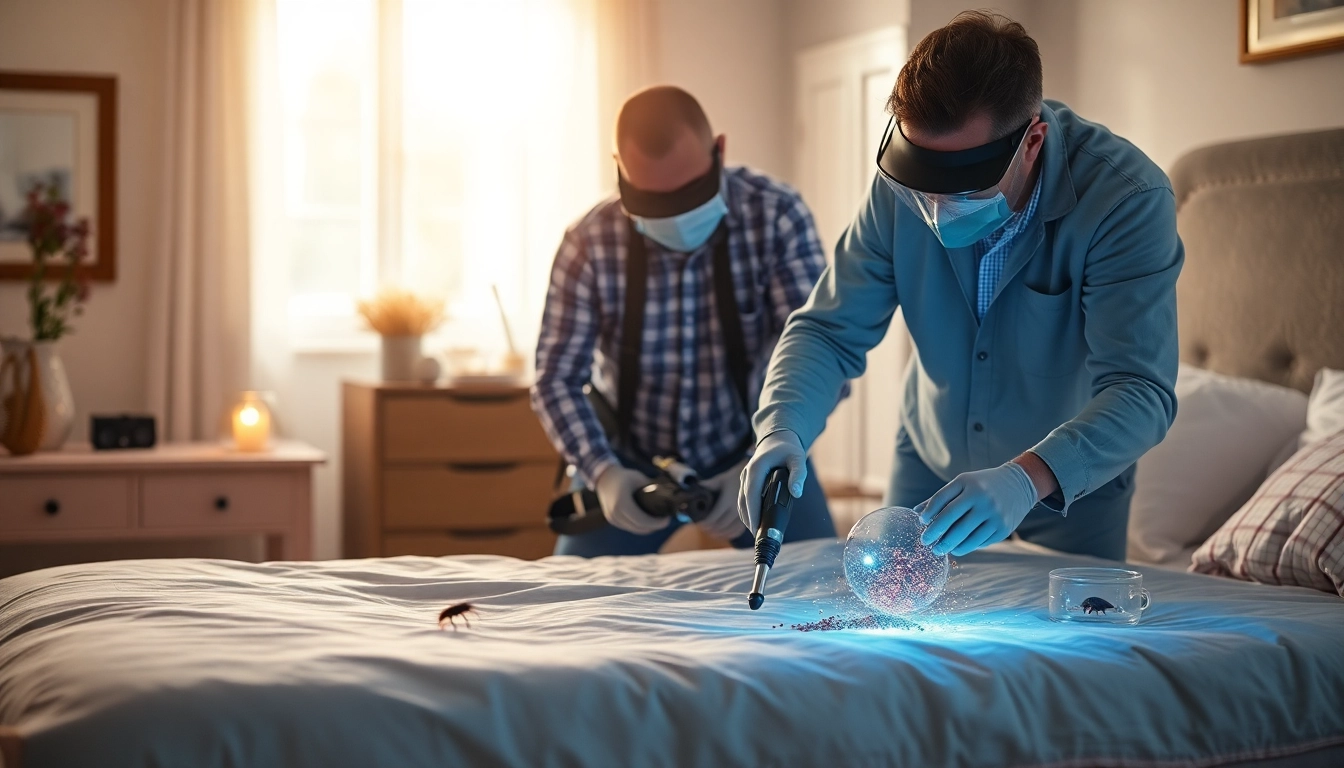
Understanding Bed Bugs and Their Habitats
Bed bugs are small, wingless insects that thrive on the blood of humans and animals. Understanding their biology and behavior is crucial for effective control and eradication. These pests are typically found in places where humans reside, making their removal a top priority for home and property owners alike. Effective bed bug treatment is essential for restoring comfort and safety in infested areas.
Identifying Bed Bugs: Characteristics and Signs
Bed bugs are approximately 4 to 5 mm in length, oval-shaped, and have a reddish-brown color. Newer nymphs are lighter and more transparent, making them harder to spot. Key signs of their presence include:
- Small, dark spots of excrement on bedding and furniture.
- Bed bug shells, which appear as empty, translucent exoskeletons left behind after molting.
- Small blood stains on sheets from feeding.
Common Places Where Bed Bugs Hide
Bed bugs are experts in hiding. They typically inhabit areas close to their food source, which primarily includes beds and couches. Common hiding spots include:
- Behind headboards and bed frames.
- Within mattress seams and crevices.
- Inside nightstands and picture frames.
- In cracks and crevices of walls and furniture.
The Life Cycle of Bed Bugs
The bed bug life cycle consists of five nymphal stages, which requires at least one blood meal to progress to the next stage. Under optimal conditions, they can develop from eggs to adults in as little as four to five weeks. Understanding this cycle is crucial for determining effective treatment timing and interventions.
Signs You Need Bed Bug Treatment
Recognizing the signs of a bed bug infestation early can significantly impact the effectiveness of treatments. Homeowners should be vigilant for the following indicators.
Common Symptoms of Bed Bug Infestation
The primary signs of bed bug infestations include non-specific bite marks that may appear as small welts on exposed skin. Additionally, experiencing increased anxiety about sleep can also indicate their presence. Significant signs include:
- Frequent unexplained skin irritations or rashes.
- Finding eggs or shells in the vicinity.
- Unusual odors coming from affected areas.
How to Inspect for Bed Bugs
Effective inspection involves thorough checking of sleeping areas and furniture. Look for the following:
- Examine seams of mattresses and box springs.
- Inspect furniture crevices, especially couches and chairs.
- Investigate baseboards, electrical outlets, and any small gaps in the structure.
When to Call for Professional Help
Engaging a professional pest control service is advisable when signs of a significant infestation are identified. If self-treatment efforts are not successful within a few weeks, calling in experts can save time and resources in the long run.
Techniques for Effective Bed Bug Treatment
There are multiple strategies available for combating bed bug infestations. Choosing the right approach based on the severity of the infestation and the individual situation is essential.
Heat Treatment: An Overview
Heat treatment involves raising the temperature of the affected area to a level that is lethal to bed bugs (around 118°F or 48°C). This method is highly effective, as it penetrates into furniture and walls, effectively killing all life stages within hours.
Pesticides vs. Natural Remedies
Pesticides are often necessary for severe infestations while natural remedies may serve as supplementary or preventive measures. It's important to choose solutions that have proven efficacy. Common pesticides include pyrethroids, which disrupt the nervous system of pests. Conversely, natural remedies may include diatomaceous earth or essential oils, though they generally require more time and diligence to show results.
Creating an Integrated Pest Management Plan
Integrated Pest Management (IPM) combines multiple strategies for effective long-term pest control. Elements of an IPM plan can include:
- Regular inspections and monitoring of high-risk areas.
- Combined usage of heat treatments and pesticides.
- Education on prevention techniques for homeowners.
Preventing Future Bed Bug Infestations
Once a bed bug infestation is eradicated, the focus shifts to preventing future occurrences. Implementing the following best practices can help safeguard your home.
Best Practices for Homeowners
Homeowners are encouraged to adopt a proactive approach. This includes:
- Using protective covers on mattresses and box springs.
- Regularly inspecting and vacuuming sleeping areas.
- Avoiding second-hand furniture unless thoroughly inspected.
Travel Tips to Avoid Bringing Bed Bugs Home
Travelers should always inspect hotel rooms upon arrival. Some tips include:
- Placing luggage on hard surfaces instead of on beds.
- Checking for signs of bed bugs in hotel furniture and linens.
- Washing and drying clothes at high temperatures upon returning home.
Signs Your Action Plan is Working
Signs that infestation is being successfully managed include the reduced frequency of bites, finding fewer exoskeletons or eggs, and improved sleep quality over time. Continuous monitoring is essential to ensure that any potential resurgence is identified early.
Frequently Asked Questions About Bed Bug Treatment
How do I know if I have bed bugs?
Look for bite marks, blood stains on sheets, and dark spots of bed bug excrement on furniture. Finding shed skins or eggs is also a key indicator of their presence.
What is the average cost of bed bug treatment?
The cost of bed bug treatment varies depending on severity and location. Treatments can range from a few hundred to several thousand dollars, especially if multiple sessions are required.
Can I treat bed bugs on my own?
It is possible to treat minor infestations with DIY methods. However, severe cases are best handled by professionals for effective eradication of all life stages.
How long does bed bug treatment take?
Effective bed bug treatment can take anywhere from a few hours to several weeks. Multiple sessions may be necessary for complete eradication, depending on the infestation size.
Are bed bug treatments safe for pets?
Most professional treatments are safe for pets when applied correctly. However, homeowners should consult with exterminators and keep pets away during treatments when needed.