
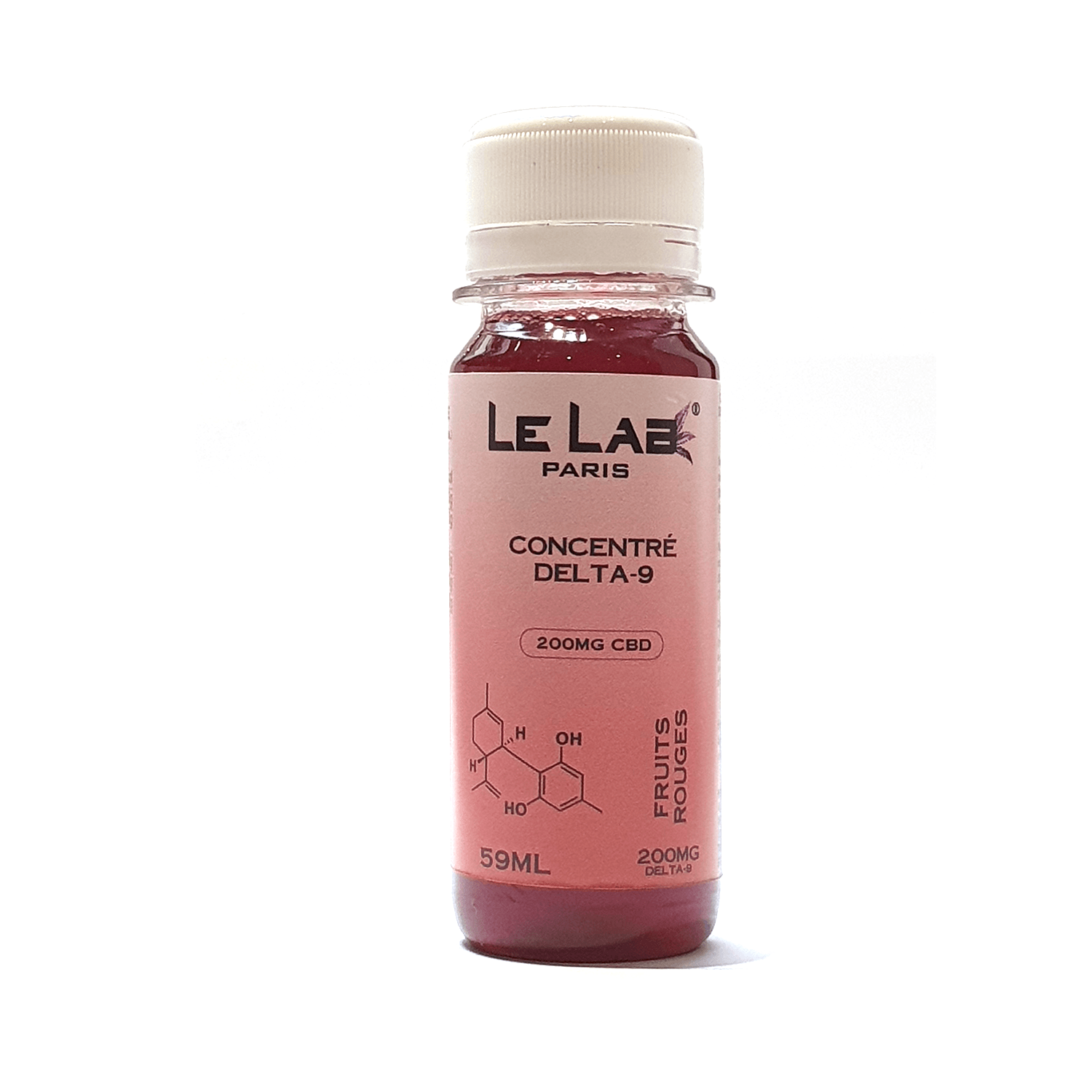
UNDERSTANDING DELTA 9 AND ITS DISTINCTIVE PROPERTIES
Delta 9 is one of the most well-known cannabinoids in cannabis. Unlike other cannabinoids such as CBD or CBG, Delta 9 produces noticeable psychoactive effects by binding with CB1 receptors in the brain. This interaction sets Delta 9 apart and explains why it has been the primary focus of both recreational and medicinal research. Consumers should understand that Delta 9’s potency, onset, and duration of effects differ significantly from non-psychoactive cannabinoids.
CHEMICAL STRUCTURE AND EFFECTS OF DELTA 9
The unique molecular structure of Delta 9 allows it to interact directly with the endocannabinoid system. This binding triggers changes in mood, perception, and cognition, making Delta 9 particularly impactful on the human experience. While other cannabinoids like CBD influence the body indirectly and often counteract Delta 9’s psychoactive effects, Delta 9 stands out due to its ability to produce a robust and immediate response. Understanding this distinction is critical for consumers and researchers alike.
DELTA 9 VS. DELTA 8 AND CBD
Delta 9 differs from Delta 8 in potency and effect. Delta 8 produces milder psychoactive effects, whereas Delta 9 delivers the classic cannabis “high.” CBD, on the other hand, is non-psychoactive and primarily used for therapeutic purposes, such as reducing inflammation or anxiety. Consumers seeking an experience with noticeable psychoactive effects typically turn to Delta 9, while those focused on wellness often prefer CBD or other non-intoxicating cannabinoids.
THE ROLE OF DELTA 9 IN MEDICAL RESEARCH
Delta 9 is a key cannabinoid in medical studies because of its interaction with CB1 and CB2 receptors. Research explores its potential to manage pain, appetite, nausea, and anxiety. While other cannabinoids contribute to the entourage effect, Delta 9 remains central in clinical trials due to its unique potency and psychoactive characteristics. Understanding these differences helps researchers develop more targeted therapies and guides consumers in choosing the right cannabinoid for their needs.
LEGAL AND CONSUMER IMPLICATIONS OF DELTA 9
Delta 9 is often subject to stricter regulations than other cannabinoids due to its psychoactive nature. Consumers must be aware of state and federal laws governing Delta 9 possession, sale, and use. In comparison, CBD products derived from hemp are generally legal and widely available. This distinction highlights why Delta 9 requires careful attention from both regulatory bodies and users to ensure safe and lawful consumption.
CONSUMER EDUCATION AND SAFE USAGE OF DELTA 9
For beginners, understanding the differences between Delta 9 and other cannabinoids is crucial. Delta 9’s effects can vary based on dosage, consumption method, and individual physiology. Educating consumers about Delta 9 ensures they make informed decisions, whether for recreational enjoyment or medical purposes. Awareness of these distinctions promotes responsible usage and maximizes the potential benefits of each cannabinoid.
CONCLUSION
Delta 9 stands out among cannabinoids due to its unique psychoactive effects, chemical structure, and central role in cannabis research. While other cannabinoids like CBD and Delta 8 offer therapeutic benefits or milder effects, Delta 9 remains the most potent and widely studied. Consumers, researchers, and policymakers must understand the distinctions of Delta 9 to navigate the evolving cannabis landscape responsibly. Its unique properties ensure Delta 9 continues to play a pivotal role in discussions around cannabis science, wellness, and regulation.