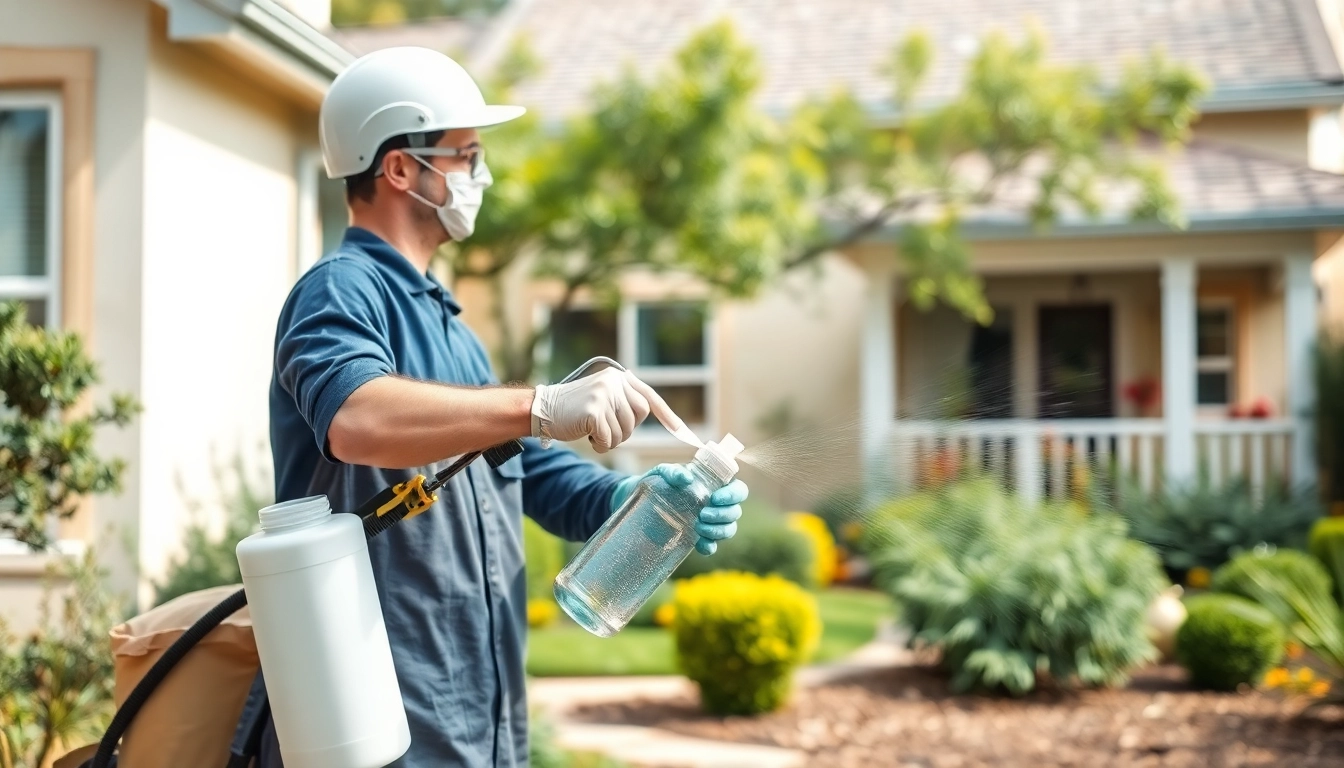
Understanding Liquid Termite Treatment
What is Liquid Termite Treatment?
Liquid termite treatment involves using specialized liquid pesticides, often called termiticides, to protect structures from termite infestations. These chemicals are applied to the soil or directly into the wood of structures and landscapes to create a barrier that prevents termites from entering. Liquid treatments can be effective for both preventative measures and active infestations, allowing homeowners to safeguard their properties from damage caused by these destructive insects. In many cases, liquid termite treatment is chosen due to its versatility and effectiveness in controlling a variety of termite species.
How Liquid Termite Treatment Works
The effectiveness of liquid termite treatment lies in its dual-functionality: it can either repel the termites or kill them upon contact. After application, the chemicals permeate the ground where they form a protective barrier around the foundation of a home or structure. This barrier disrupts the termite's natural foraging behavior by either deterring them or making them sick if they come into contact with the treated soil. Some liquid treatments can even penetrate wood, giving them the capability to eliminate existing colonies directly and disrupt the reproduction cycle of the pests.
Benefits of Liquid Termite Treatment
Choosing liquid termite treatment offers numerous advantages:
- Comprehensive Protection: Liquid treatment can protect against multiple termite species, including subterranean and drywood termites.
- Immediate Action: Unlike bait systems that may take longer to work, liquid treatments can have immediate effects on existing infestations.
- Long-Lasting Results: Depending on the formulation, some liquid treatments provide protection for several years before requiring reapplication.
- Minimized Disruption: The application process typically causes minimal disruption to the home and surrounding environment compared to other methods.
Identifying Termite Infestations
Signs of Termite Damage
Identifying a termite infestation early can save homeowners significant repair costs and prevent severe structural damage. Look for these common signs:
- Blisters in Wood: Termites can cause wood to appear blistered or sunken.
- Hollow Sounding Wood: Knock on wood surfaces; if they sound hollow, it may indicate termite damage.
- Sawdust-like Droppings: Termite droppings, known as frass, resemble small pellets and are often found near infestations.
- Swarmers: During the warmer months, you may notice winged termites, known as swarmers, leaving the nest to find new colonies.
Common Locations for Infestations
Termites can invade various parts of a home, but they have preferred areas where infestations are more common:
- Basements and Crawl Spaces: Damp environments provide ideal conditions.
- Wood Structures: Any wooden structures, including decks and fences, are vulnerable.
- Wall Cavities: They can enter and reside within walls, making detection difficult.
- Garages: Often neglected, garages provide access points to the rest of the house.
Using Technology for Detection
Modern technology enhances termite detection methods. Here are some innovative approaches:
- Infrared Cameras: These can detect temperature differences in wooden structures, signaling potential infestations.
- Moisture Meters: High moisture levels often attract termites, so measuring moisture content can help pinpoint problems.
- Acoustic Sensors: These devices register sounds made by termites, providing information on their activity levels within walls.
- Termite Detection Dogs: Trained canines can sniff out termites in wood and construction areas with impressive accuracy.
Choosing the Right Liquid Termite Treatment
Types of Liquid Termite Treatments
Understanding the various types of liquid termite treatments available is crucial for effective pest management:
- Repellent Termiticides: Create a barrier that prevents termites from entering. Examples include fipronil and imidacloprid.
- Non-Repellent Termiticides: These allow termites to pass through without detection, making them more effective long-term as termites actively spread the treatment throughout their colonies. Examples include chlorfenapyr and pyrethroids.
- Termite Bait Systems: Integrated with liquid treatments, these systems use bait stations that attract and eliminate termites gradually, reducing the colony's population over time.
Environmental Considerations
When selecting liquid termite treatment, environmental impact must be considered. Here are some factors to consider:
- Environmental Regulations: Ensure the chosen products comply with local regulations regarding chemical usage.
- Non-Target Species: Evaluate the impact of treatments on non-target organisms such as beneficial insects.
- Soil Composition: Different soils absorb and hold chemicals differently, affecting treatment efficacy and longevity.
Cost Factors of Liquid Termite Treatment
The cost of liquid termite treatment varies based on several factors:
- Size of the Property: Larger homes require more product and labor.
- Severity of Infestation: Active and widespread infestations will incur higher treatment costs due to additional applications and monitoring.
- Accessibility: Difficult-to-reach areas may require specialized equipment, raising costs.
Application Techniques for Liquid Termite Treatment
DIY Application vs. Professional Help
While some homeowners might consider DIY applications for liquid termite treatment, professional help can ensure effective and safe practices. Here are the pros and cons of each:
- DIY Application: Cost-saving and flexible; however, the risk of misapplication or inadequate treatment may lead to continued infestations.
- Professional Help: Pros include expert knowledge, access to advanced equipment, and adherence to safety regulations. The downside is higher upfront costs.
Safety Precautions During Application
Applying liquid termite treatment requires strict adherence to safety precautions:
- Protective Gear: Always use gloves, masks, and eye protection to avoid chemical exposure.
- Ventilation: Ensure proper airflow when applying treatments indoors or near living spaces.
- Follow Instructions: Adhere strictly to the manufacturer's guidelines for application rates and methods.
Maintenance Tips Post-Treatment
Once the liquid termite treatment is completed, ongoing maintenance is crucial:
- Regular Inspections: Schedule annual inspections to monitor for new signs of termites.
- Moisture Control: Maintain proper drainage around the home to minimize moisture, which attracts termites.
- Prompt Repairs: Address water leaks and wood damage quickly to deter termites.
FAQs about Liquid Termite Treatment
How often should liquid termite treatment be reapplied?
Liquid termite treatment typically lasts between 5 to 10 years, depending on the product used and environmental conditions. Regular inspections can help determine reapplication needs.
Is liquid termite treatment safe for pets?
Safety varies by product. Generally, allowing pets into the treated area after the chemicals dry is safe. Always follow label directions for specific safety measures.
What are the indications that treatment is working?
Indicators include a noticeable decrease in termite activity, no new signs of damage, and the absence of swarmers in and around the property.
Can I combine liquid termite treatment with other methods?
Yes, combining liquid treatments with preventative measures, such as bait systems, can enhance effectiveness, particularly for severe infestations.
How long does liquid termite treatment last?
Longevity varies by type, from 5 to 10 years, influenced by soil type, moisture levels, and treatment application method. Regular checks are recommended.