Understanding Fly Fishing Combos
What is a Fly Fishing Combo?
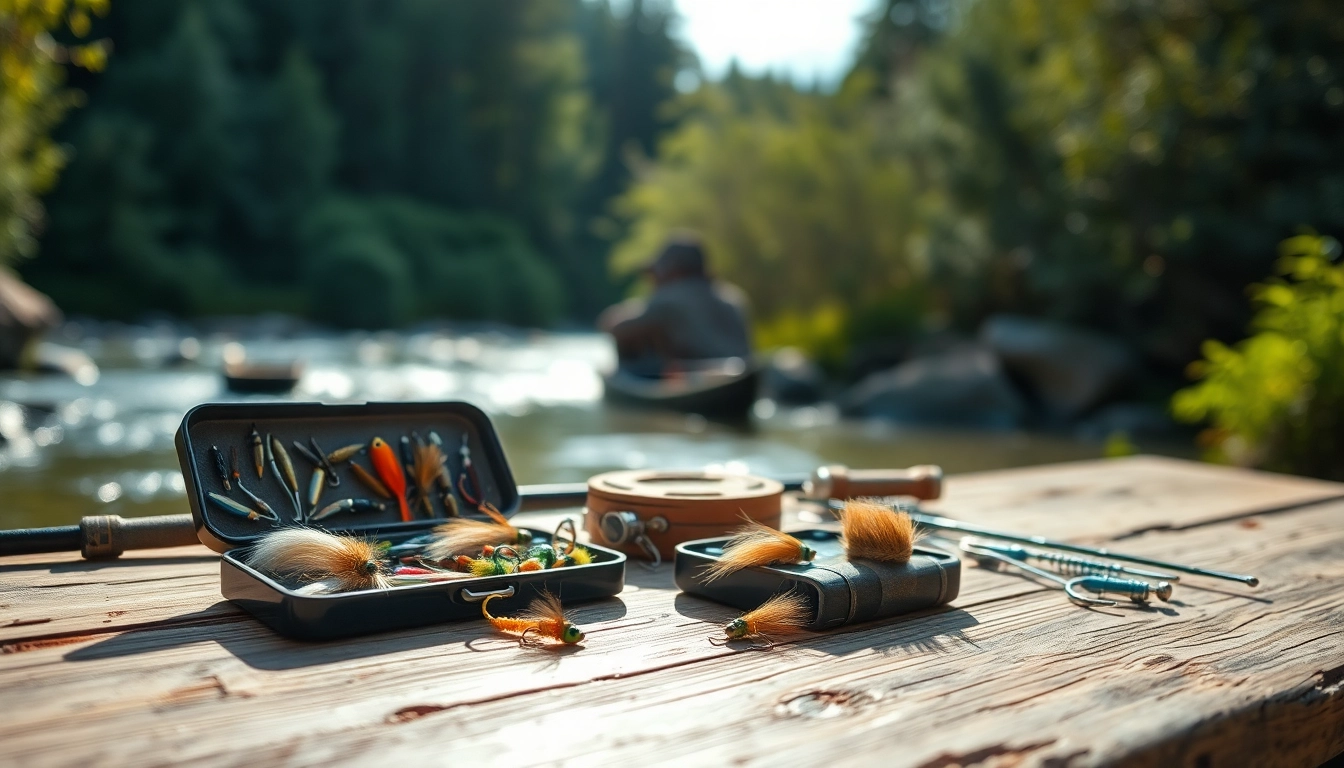
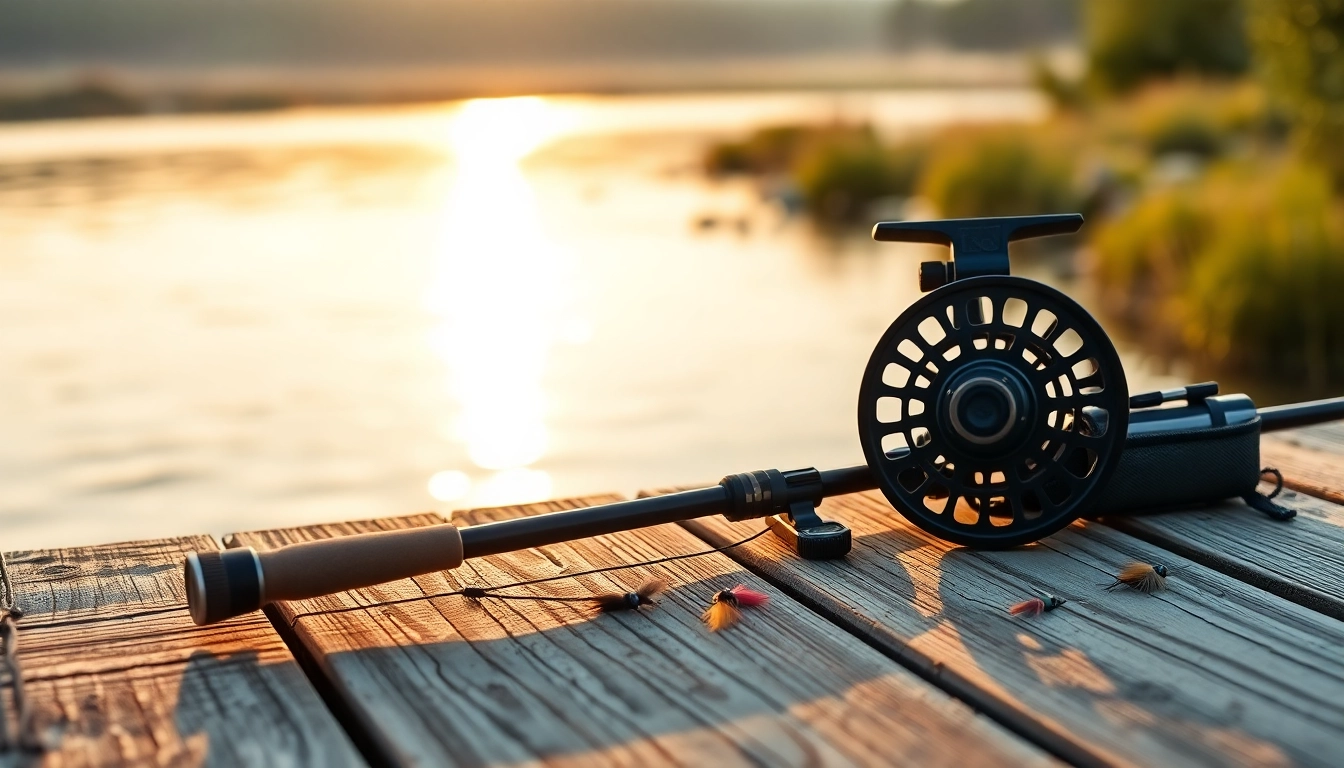
A fly fishing combo typically refers to a complete set of equipment designed for fly fishing, which includes a fly rod, reel, and often a fly line. This combination is crafted to provide anglers with everything they need for their fishing experience. While there are other individual components available for purchase, a combo simplifies the process for both novice and experienced anglers by offering a pre-selected set of the most essential items.
Fly fishing, unlike traditional fishing methods, relies on casting a lightweight fly rather than a weighty lure to catch fish. The right combo not only makes the activity enjoyable but also increases the success rate, especially for those just starting. Investing in a fly fishing combo means you won’t have to waste time piecing together different components and can get out on the water sooner.
Benefits of Using a Combo
Choosing a fly fishing combo brings several advantages:
- Cost-Effective: Purchasing a combo often proves more economical than buying each piece separately. Manufacturers frequently provide discounts on bundles.
- Compatibility: All components in a combo are designed to work seamlessly together, enhancing performance and ease of use. For instance, the rod length will harmonize with the reel size and the fly line weight.
- Convenience: Combos provide an easy entry point for beginners who may feel overwhelmed by the multitude of options available in the market. It takes the guesswork out of the equation.
Types of Fly Fishing Combos Available
Fly fishing combos come in various forms, catering to different styles and preferences:
- Beginner Combos: Typically lighter and more forgiving, these combos are designed for those who are just starting their fly fishing journey.
- Intermediate Combos: Offering a balance between performance and accessibility, intermediate combos tend to provide retailers’ flexibility in adjusting to different fishing conditions.
- Targeted Combos: These include specific setups for various types of fishing, such as trout fishing, bass fishing, or saltwater fishing. Each combo optimally matches the conditions and target species.
- High-End Combos: Designed for experienced anglers seeking the best performance craftsmanship, these feature advanced rod and reel technologies that enhance casting distances and fish fighting capabilities.
How to Choose the Perfect Fly Fishing Combo
Identifying Your Fishing Style
Before investing in a fly fishing combo, understanding your fishing style is crucial. Are you primarily fishing in freshwater or saltwater? Are you targeting specific species like trout or bass? Each fishing environment demands unique characteristics from your gear. For instance, a combo tailored for bass fishing might require heavier line strength and a more robust rod compared to one for delicate trout fishing.
Assessing Your Budget
Your budget plays a pivotal role in selecting the right fly fishing combo. It's essential to remember that while cheaper combos are available, they may not deliver the quality or durability you need for long-term use. A well-constructed combo can last for years, making it a valuable investment. Plan a budget that accommodates quality and longevity without compromising performance.
Consideration of Local Fishing Conditions
Different geographical areas present varying fishing conditions. Factors such as water temperature, flow, and the types of fish prevalent in your local waters should be central to your decision-making process. For instance, windy conditions necessitate a well-balanced fly rod capable of handling the aftermath of forceful casting.
Essential Components of a Fly Fishing Combo
Understanding Rod Features
The rod is arguably the most critical part of any fly fishing combo. Different rod lengths and materials cater to varying fishing styles. Longer rods are preferable for distance casts, while shorter rods offer better control for close-range fishing. Additionally, rod action defines how flexible the rod is, which can impact casting distance and accuracy. Fast action rods bend primarily at the tip, making them better suited for windy conditions, while slow action rods provide more flex throughout their length, offering a gentle touch perfect for delicate presentations.
The Importance of Reel Selection
The reel contributes significantly to your overall fishing experience, impacting drag, line retrieval speed, and weight distribution. When selecting a reel, consider factors such as the type of fish you are targeting, the fishing environment, and your own personal preferences. High-quality reels come with adjustable drag systems that ensure you can manage the fight with caught fish effectively.
Choosing the Right Fly Line
Choosing the correct fly line is essential for effective presentations and achieving appropriate casting distances. Fly lines come in various weights, denoted by a number, and it is vital to match the line weight with the rod and reel specified in your combo package. Weight-forward lines are popular for beginners because they facilitate easier casting, while double taper lines provide comprehensive versatility, making them ideal for varied fishing situations.
Best Fly Fishing Combos on the Market
Top Picks for Beginners
For newcomers to the sport, investing in a high-quality yet affordable casting combo can foster a positive learning experience. Some top picks include:
- Orvis Encounter 5-Weight Fly Rod Outfit: A value-driven choice with everything a beginner needs to get started.
- Redington Crosswater Fly Fishing Combo: This user-friendly set features a smooth reel and durable rod design, ideal for novices.
- Cabela’s Fly Rod Outfits: Designed specifically for beginners, offering a fantastic balance between quality and affordability.
Advanced Options for Experienced Anglers
Experienced anglers often seek specialized and high-performance equipment. Some advanced combos to consider include:
- Hatch Finatic Fly Reel + Echo Carbon XL Trout Rod: Known for its exceptional durability and performance in managing larger fish.
- Simms G3 Guide Bootfoot Waders Combo: A top choice for anglers who demand diversity in their fishing environments.
- Scott Radian Series Fly Rod and Reel: Offers perfect accuracy and distance, making it a favorite among seasoned anglers.
Comparative Analysis of Popular Brands
When it comes to fly fishing combos, various brands stand out for their quality and reputation. For example, brands like Orvis, Sage, and Redington have established themselves as market leaders. Orvis, known for its extensive range of high-quality rods and reels, supports both beginners and professionals alike. Sage is lauded for performance-enhancing technology and precision in casting, making it a favorite among competitive anglers. Finally, Redington targets budget-conscious consumers without sacrificing quality, rounding out a well-balanced market landscape.
Maintaining Your Fly Fishing Combo
Cleaning and Storing Your Equipment
Proper maintenance of your fly fishing combo is critical for longevity. After every fishing trip, it is essential to clean your rod and reel; rinse the rod with freshwater and gently wipe down the reel to remove debris and saltwater residues. Store your rod in a protective case to prevent damage, ideally in a cool dry place away from direct sunlight, which could harm the rod and reel over time.
Common Repairs and Upkeep Tips
Throughout the life of your gear, minor repairs and upkeep will be necessary. For instance, check rod guides for wear or damage, replacing any that are frayed or cracked. Regularly inspect your reel for line tangles, and replace your fly line as needed—typically when it begins to lose buoyancy or starts showing signs of wear. Understanding these small maintenance tasks will ensure the equipment remains in optimal condition, allowing you to enjoy a seamless fishing experience.
When to Upgrade Your Combo
As with any sports equipment, technology and preferences tend to evolve. Upgrading your fly fishing combo could be warranted when you find yourself outgrowing your current setup's capabilities. For example, if you are transitioning from catching smaller species to targeting larger fish, investing in a stronger rod and reel may be necessary. Similarly, if you realize that your casting techniques have improved and demand more sophisticated gear, consider looking for high-end options that support advanced techniques.
Choosing the right Fly fishing combo can significantly enhance your fishing journey, ensuring an enjoyable, successful experience on the water. Whether you’re a beginner or a seasoned angler, a well thought-out combo can make all the difference in mastering the art of fly fishing.