Understanding Metal Roofing
Metal roofing has gained significant traction over the past decade, becoming a preferred choice for homeowners and builders alike. The combination of durability, aesthetic appeal, and energy efficiency makes metal roofs a smart investment for any property. Unlike traditional roofing materials, metal roofs can handle a variety of weather conditions while requiring minimal maintenance. This article will delve deeper into the nuances of metal roofing, including its benefits, types, and operational principles, helping you make informed choices when considering metal roofing companies.
Benefits of Metal Roofing
Metal roofing offers a myriad of advantages that make it an appealing choice. Here are some of the most notable benefits:
- Longevity: Metal roofs can last anywhere from 40 to 70 years, significantly outlasting traditional asphalt shingles that typically need replacement every 15-20 years.
- Durability: They are resistant to cracking, shrinking, and eroding, which makes them ideal for extreme weather conditions.
- Energy Efficiency: Metal roofing reflects solar heat, which can lower cooling costs by 10-25%. Furthermore, many metal roofing materials are manufactured with a high reflectivity feature.
- Environmentally Friendly: Most metal roofs are made from recycled materials, are 100% recyclable at the end of their lifespan, and can contribute to LEED credits for environmentally-friendly building projects.
- Aesthetic Appeal: Available in a variety of colors and styles, metal roofing can complement any architectural design, adding to the property’s curb appeal.
Different Types of Metal Roofing
There are several types of metal roofing available, each offering unique benefits and aesthetics. Understanding these options can help you choose the right one for your needs.
- Steel Roofing: Known for its strength and resistance to rust when treated with a protective coating, steel roofing is a common choice in residential properties.
- Aluminum Roofing: Lightweight and resistant to corrosion, aluminum is ideal for coastal areas prone to salt corrosion.
- Copper Roofing: This premium option is known for its longevity and distinctive coloration that improves with age, developing a unique patina.
- Zinc Roofing: Like copper, zinc is known for its longevity and develops a protective patina, making it a low-maintenance option.
- Galvalume Roofing: A combination of aluminum and zinc, Galvalume offers excellent corrosion resistance and is suitable for a wide range of climates.
How Metal Roofing Works
Understanding how a metal roof functions can help you appreciate its advantages. Metal roofs are designed to shed snow and rain efficiently, preventing any accumulation that could lead to damage. The surface of metal roofing is slick, which allows water to run off easily. Additionally, the materials used are often treated with special coatings that help resist rust and weathering. Proper installation, including the use of thermal insulation and underlayment, further enhances energy efficiency and performance.
Choosing Metal Roofing Companies
When selecting a metal roofing company, it’s essential to conduct thorough research to ensure you find a reliable contractor. The quality of your roof largely depends on the expertise of those who install it.
Criteria for Selecting a Contractor
Choosing the right contractor involves considering multiple factors. Here are some criteria to assess:
- Experience: Look for companies with a proven track record in metal roofing installation. Experience often correlates with expertise and quality work.
- Licensing and Insurance: Ensure the contractor is licensed to operate in your state and carries valid insurance to protect both parties in case of accidents.
- Warranty Offers: Solid warranties signal a company’s confidence in its work. Look for both materials and workmanship warranties.
- Portfolio: Review past projects to evaluate the contractor’s work quality and styles. Testimonials and case studies can provide insight into customer satisfaction.
Assessing Reviews and Ratings
Online reviews and ratings are invaluable resources for potential clients. Here are a few steps to assess the reputation of contractors:
- Check Reviews: Visit trusted platforms like Yelp, Google Reviews, or Better Business Bureau, and analyze the feedback from previous customers.
- Look for Repeated Patterns: Take note of both positive and negative feedback trends. Consistent praise or repeated concerns can indicate reliable service or red flags.
- Speak to References: Ask potential contractors for references and follow up with them to discuss their experiences and whether they would recommend the company.
Questions to Ask Potential Companies
When interviewing prospective metal roofing companies, ensure you ask the right questions to gain insight into their processes and values:
- What is your experience level with metal roofing?
- Can you provide examples of similar projects?
- What materials do you recommend, and why?
- What’s the expected timeline for completion?
- How do you handle challenges or unexpected issues during the project?
Installation Process for Metal Roofing
Understanding the installation process is crucial for any homeowner considering metal roofing. Knowing what to expect can help manage your project better and set realistic timelines.
Preparation Steps
The preparation phase is critical to ensure the successful installation of your metal roof. Steps may include:
- Site Inspection: A thorough assessment of the current roof, structure, and local climate conditions will help identify any unique challenges.
- Material Selection: Choosing the right metal roofing material that suits your aesthetic preferences and functional requirements is vital.
- Permits and Regulations: Check local regulations and secure any necessary permits to avoid compliance issues.
- Preparation of the Roof Deck: Ensure the roof deck is in good condition and consider updating insulation or underlayment before installation.
Installation Techniques
The installation of metal roofing typically follows a systematic approach to maximize durability and efficiency. Key steps include:
- Underlayment Installation: Installing a high-quality underlayment provides an additional layer of protection under the metal roof.
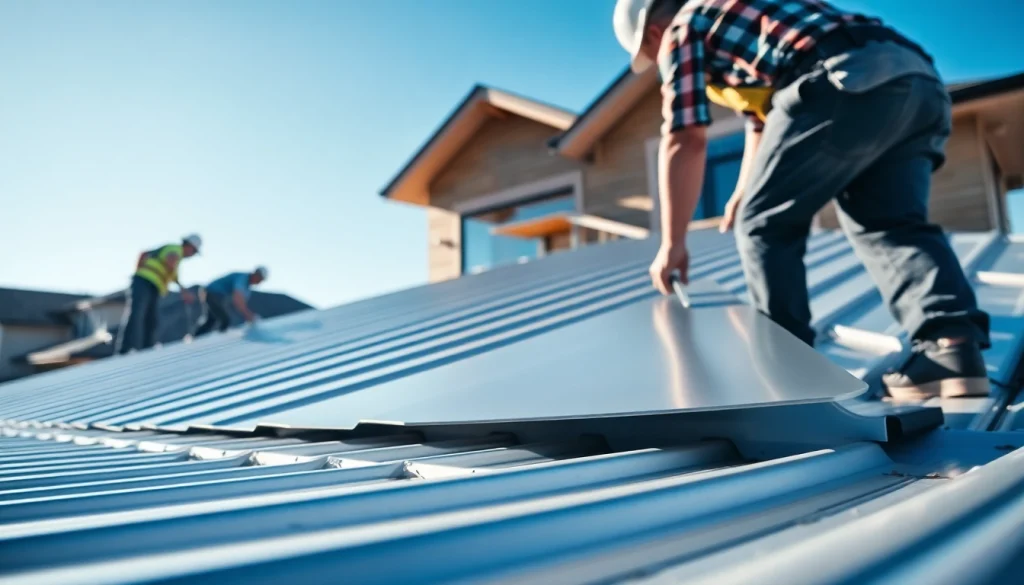
- Installation of the Panels: Metal panels are cut and fitted based on precise measurements, usually starting from one edge working upward.
- Fastening Methods: The method of fastening (screws, clips) ensures panels are securely attached, preventing lifting in high winds.
- Flashing Installation: Properly installed flashing prevents water intrusion at seams and joints, safeguarding the roof's integrity.
Common Challenges During Installation
While installing a metal roof is generally straightforward, some challenges may arise:
- Weather Delays: Unfavorable weather can postpone installations. Properly timing your project around seasonal weather patterns can minimize delays.
- Material Handling: Metal sheets are large and can be difficult to maneuver. Ensure your team has the tools and experience for safe handling.
- Structural Adjustments: Older homes may require some adjustments to accommodate the weight and design of a new metal roof, which could add to overall costs.
Maintenance of Metal Roofs
Although metal roofs are low-maintenance compared to other roofing materials, regular upkeep is crucial to ensure their longevity and performance.
Regular Inspections
Conducting inspections at least twice a year (spring and fall) ensures any minor issues are caught early. Inspections should check for:
- Loose or missing screws and fasteners
- Debris buildup in gutters and valleys
- Signs of corrosion or rust
- Damage to flashing or seams
Cleaning and Upkeep
Keeping your metal roof clean is essential for preventing corrosion and maintaining appearance. Regular cleaning can involve:
- Using a soft-bristled broom or blower to remove leaves and debris.
- Washing the roof surface gently to remove dirt and stains.
- Ensuring gutters and drainage systems are clear to prevent water accumulation.
Signs of Wear and Tear
Being proactive about your metal roof's condition can extend its lifespan. Watch for these signs:
- Corrosion or rust stains on panels
- Loose panels or fasteners
- Water leaks inside the home
- Increased energy costs due to poor insulation or ventilation
FAQs about Metal Roofing Companies
What is the lifespan of metal roofs?
Metal roofs can last 40 to 70 years, depending on the material and maintenance level.
Are metal roofs energy efficient?
Yes, metal roofs reflect sunlight, reducing cooling costs and enhancing energy efficiency.
How do I choose a reliable contractor?
Research their experience, review testimonials, and check their licenses and insurance.
What weather conditions are metal roofs suitable for?
Metal roofs withstand extreme weather, including heavy rain, snow, and high winds effectively.
Do metal roofs require special maintenance?
Minimal maintenance is needed; regular inspections and cleaning are usually sufficient.