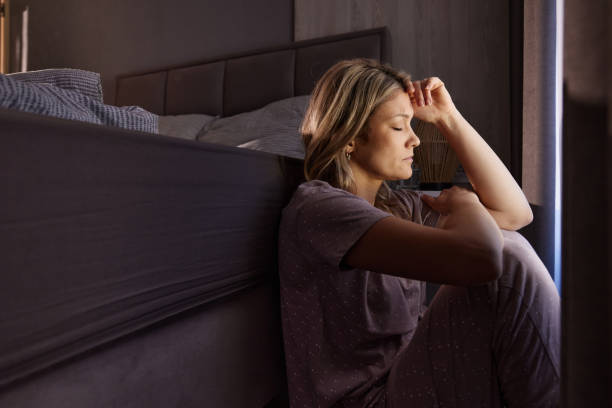
In today’s fast-paced world, anxiety has become an increasingly common experience, yet many people struggle to recognize it in their daily lives. While most individuals associate anxiety with excessive worry or panic attacks, the reality is far more complex. Many Anxiety symptoms are subtle, easily mistaken for physical illness, personality traits, or even normal stress. This misunderstanding often delays proper care and support, allowing anxiety to silently affect mental, emotional, and physical well-being.
At Calm Minds Hub, we believe in simplifying mental health knowledge and making it accessible. Understanding overlooked anxiety symptoms is the first step toward regaining control, improving emotional resilience, and leading a balanced life. This article explores the hidden signs of anxiety in depth, offering a comprehensive guide to recognizing and managing them effectively.
Understanding Anxiety Beyond the Obvious
Anxiety is a natural response to stress, designed to protect us from danger. However, when this response becomes persistent or disproportionate, it evolves into a mental health concern. Many people expect anxiety to appear as obvious fear or nervousness, but in reality, anxiety symptoms often manifest in ways that are not immediately recognizable.
For instance, someone may feel constantly tired, struggle with concentration, or experience unexplained physical discomfort without realizing these are linked to anxiety. This disconnect occurs because anxiety affects both the mind and body, often disguising itself as everyday issues.
Recognizing these less obvious anxiety symptoms is crucial. Without awareness, individuals may attempt to treat only the surface problems while the underlying anxiety remains unresolved.
The Subtle Physical Anxiety Symptoms
Persistent Fatigue and Low Energy
One of the most overlooked anxiety symptoms is chronic fatigue. Unlike ordinary tiredness, this exhaustion does not improve with rest. Anxiety keeps the nervous system in a heightened state of alertness, even when there is no immediate threat. Over time, this constant tension drains energy levels, leaving individuals feeling worn out.
Muscle Tension and Body Aches
Another commonly ignored sign involves physical discomfort. Tight shoulders, jaw clenching, and frequent headaches are all potential anxiety symptoms. The body responds to stress by preparing for action, which results in muscle contraction. When anxiety is ongoing, these muscles rarely get a chance to relax.
Digestive Issues
The gut and brain are closely connected, which is why anxiety frequently affects digestion. Symptoms such as nausea, bloating, stomach cramps, and irregular bowel movements are often overlooked anxiety symptoms. These issues may be mistaken for dietary problems, but they often persist because the underlying anxiety is not addressed.
Emotional and Psychological Anxiety Symptoms
Irritability and Mood Swings
Many people do not associate irritability with anxiety, yet it is one of the most common anxiety symptoms. When the mind is constantly on edge, even minor inconveniences can feel overwhelming. This leads to frustration and sudden mood changes.
Difficulty Concentrating
Another overlooked sign is the inability to focus. Anxiety fills the mind with constant thoughts and worries, making it difficult to concentrate. This is one of the key anxiety symptoms that can affect productivity and daily performance.
Overthinking and Mental Exhaustion
Overthinking is a hallmark of anxiety. Constantly replaying situations and worrying about outcomes can lead to mental exhaustion. This pattern is one of the most draining anxiety symptoms and prevents individuals from fully enjoying the present moment.
Behavioral Anxiety Symptoms You Might Miss
Avoidance of Situations
Avoidance is a subtle yet powerful indicator of anxiety. Individuals may begin to avoid certain places or activities that trigger discomfort. This behavior is one of the critical anxiety symptoms that can limit personal growth.
Changes in Sleep Patterns
Sleep disturbances such as difficulty falling asleep or frequent waking are common anxiety symptoms. The mind remains active, preventing relaxation and proper rest.
Procrastination and Lack of Motivation
Fear of failure or feeling overwhelmed can cause individuals to delay tasks. This avoidance behavior is one of the hidden anxiety symptoms that impacts confidence and productivity.
Social Anxiety Symptoms That Go Unnoticed
Fear of Judgment
A constant fear of being judged is a key indicator of social anxiety. This is one of the significant anxiety symptoms that affects relationships and social interactions.
Difficulty Making Eye Contact
Avoiding eye contact may reflect discomfort in social situations. It is often an overlooked sign among anxiety symptoms.
Overanalyzing Social Interactions
Replaying conversations and worrying about how one was perceived is another subtle anxiety symptoms that increases stress unnecessarily.
Hidden Cognitive Anxiety Symptoms
Intrusive Thoughts
Unwanted repetitive thoughts are common anxiety symptoms. These thoughts can be distressing but do not reflect personal character.
Constant Sense of Dread
A persistent feeling that something bad will happen is another subtle sign among anxiety symptoms that impacts emotional stability.
Difficulty Making Decisions
Indecisiveness due to fear of making mistakes is one of the overlooked anxiety symptoms that affects everyday life.
Why Anxiety Symptoms Are Often Overlooked
Many anxiety symptoms resemble normal stress or physical conditions. This overlap makes recognition difficult. Social stigma and lack of awareness also contribute to individuals ignoring their symptoms.
The Impact of Ignoring Anxiety Symptoms
When anxiety symptoms go unaddressed, they can affect mental health, physical health, relationships, and work performance. Early recognition helps prevent long-term complications.
Effective Ways to Manage Anxiety Symptoms
Building awareness is the first step in managing anxiety symptoms. Mindfulness practices, healthy lifestyle habits, and professional therapy can significantly reduce symptom intensity. Self-compassion also plays an essential role in emotional healing and long-term resilience.
Conclusion
Anxiety is far more complex than occasional worry. Many anxiety symptoms remain hidden, affecting physical health, emotional stability, cognitive function, and social behavior. By understanding these overlooked signs, individuals can take proactive steps toward improvement. Awareness, lifestyle adjustments, and professional support can help reduce symptoms and restore balance. Calm Minds Hub is committed to providing clear, evidence-based guidance to support your journey toward emotional well-being and personal growth. All categories and top stories are featured right on the homepage.
Frequently Asked Questions (FAQs)
What are the most common hidden anxiety symptoms?
Hidden anxiety symptoms often include fatigue, muscle tension, digestive issues, irritability, and difficulty concentrating.
Can anxiety symptoms occur without panic attacks?
Yes, many anxiety symptoms appear without panic attacks. Anxiety can exist in subtle physical, emotional, or cognitive forms.
How long do anxiety symptoms last?
The duration of anxiety symptoms varies. Without treatment, they may persist, but with proper support, they can significantly improve.
Are physical symptoms always caused by anxiety?
Not always. However, many physical complaints can be linked to anxiety symptoms after medical causes are ruled out.
When should I seek professional help for anxiety symptoms?
If anxiety symptoms interfere with daily life, relationships, or work, it is important to consult a qualified mental health professional.