




Mastering Fly Fishing for Bass: Techniques, Tips, and Best Practices
Understanding the Fundamentals of Fly Fishing for Bass
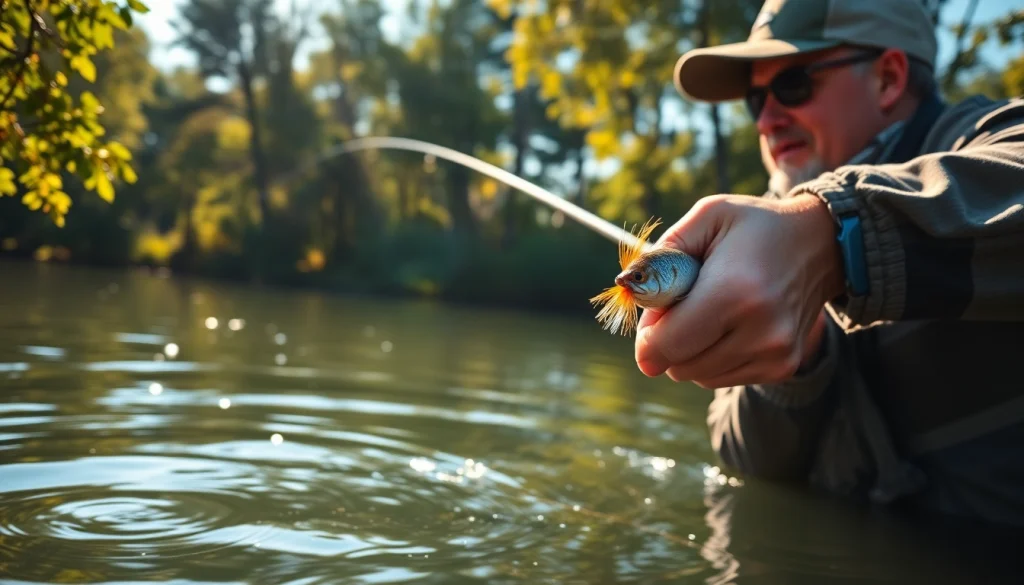
Fly fishing for bass is an exciting and challenging pursuit that attracts both novice and experienced anglers alike. This method offers a unique way to tackle some of the most popular sport fish in freshwater environments. Understanding the fundamentals of fly fishing for bass involves learning about the different species of bass, essential gear, and the selection of proper flies. This comprehensive guide will dive into each of these aspects while providing actionable insights for anglers within the Fly fishing for bass community.
The Different Species of Bass
When discussing fly fishing for bass, it is critical to understand the differences between the primary species anglers pursue: largemouth bass and smallmouth bass. Each species exhibits distinct behavior patterns, habitats, and preferences that can influence fishing success.
- Largemouth Bass: Often found in lakes, ponds, and slow-moving rivers, largemouth bass are recognizable by their broad mouths and aggressive feeding habits. They tend to prefer warmer waters and are opportunistic feeders, making them ideal targets for various fly patterns.
- Smallmouth Bass: Known for their acrobatic fighting style and preference for cooler, rocky environments, smallmouth bass thrive in clear lakes and rivers. They are often found near structure, such as rocks and submerged logs, and are generally more selective in their feeding habits, requiring precise presentations to trigger strikes.
Essential Gear for Fly Fishing
The gear you choose can significantly enhance your fly fishing experience. Here are the essential components you’ll need:
- Fly Rod: A rod rated between 6 to 8 weight is ideal for bass fishing due to the strength needed to handle their aggressive fighting nature. A medium-action rod is often preferred for its versatility.
- Fly Reel: Opt for a large-arbor reel with a smooth drag system. The capacity to hold fly lines and backing is important, especially if you encounter larger specimens.
- Fly Lines: Weight-forward floating lines are popular as they offer good casting ability and make it easy to present big bass flies. Sinking lines may also be required for deeper presentations.
- Leaders and Tippets: Use a stout, tapered leader, typically between 7.5 to 9 feet in length. Tippets should be matched according to fly size and species targeted.
- Accessories: Essentials include a suitable fishing vest or pack, pliers, a landing net, and a sun protection hat.
Choosing the Right Flies for Bass
Flies for bass fishing differ considerably from those used for trout. The choice of fly will depend on the time of year, water conditions, and fish behavior.
Here are some effective fly patterns to consider:
- Poppers: Ideal for surface fishing, poppers attract attention with their splashy action, perfect for aggressive strikes from surface-feeding bass.
- Clouser Minnows: A versatile choice that mimics baitfish and can be effective in both shallow and deep water.
- Streamers: Large streamer patterns can exceed six inches in length and imitate larger prey, making them effective for trophy bass.
- Crayfish Patterns: Since bass are opportunistic feeders, crayfish flies can be particularly effective in rocky environments.
Best Times and Locations for Fly Fishing for Bass
Seasonal Patterns of Bass Fishing
Timing your fishing outings with the bass spawning and feeding cycles greatly increases your success rate. The spring months, particularly around May, signal the start of the spawning season for both largemouth and smallmouth bass. As water temperatures rise above 60°F, bass become more active, making them easier to target.
During summer, the best fishing often occurs in early morning and late afternoon. Bass will seek cooler, deeper waters as the temperature climbs. Autumn marks a transition period as bass bulk up for winter, and they can often be found feeding aggressively. In contrast, winter fishing can be slow, requiring patience and strategic presentations with slow-moving flies.
Identifying Prime Fishing Spots
Locating the right fishing spots requires knowledge of bass habitat preferences. Here are effective strategies for identifying prime locations:
- Structure: Look for underwater structures such as fallen trees, rocks, docks, and vegetation. These are often ambush points for bass.
- Shallow Flats: In spawning season, bass will gravitate towards shallow flats where they can lay eggs and find warmer water.
- Inlets and Outlets: Fish congregate around inlets and outlets in lakes, as currents can attract baitfish.
- Drop-offs and Riffles: Bass favor transitions where shallow water meets deeper sections, particularly where the current is present.
Ideal Weather Conditions for Success
Understanding how weather affects bass activity is essential for success. Overcast days are often preferred by avid bass fishermen, as bass tend to feed more aggressively in low-light conditions. Warm fronts and rising barometric pressure can trigger feeding frenzies. Conversely, cold fronts commonly lead to a decrease in activity; observing these patterns can greatly increase fishing success.
Effective Techniques for Fly Fishing for Bass
Presenting the Fly: Casts and Retrieves
Presentation is crucial in fly fishing. Knowing how to cast and retrieve your fly can significantly influence your success. Here are a few effective techniques:
- Roll Cast: This cast is beneficial in tight spaces. Practice rolling your fly line off the water to create a fluid motion.
- Double Haul: This casting technique increases line speed and distance by using both hands to haul the line during the cast.
- Strip Retrieve: A common technique where you pull in line in short, quick movements to imitate a fleeing prey species.
- Pause and Switch: Incorporate pauses in your retrieve to give bass an opportunity to strike. The dynamic of a suspended fly can entice predatory behavior.
Using Weighting and Sinking Techniques
Weighting techniques can diversify your approach and reach bass that are deeper in the water column:
- Weighted Flies: Use flies with bead heads or added weight to ensure they sink quickly to the desired depth.
- Sink Tip Lines: These lines have a short sinking section that helps deliver your fly to the strike zone efficiently.
- Longer Leaders: A longer leader allows for deeper presentations and can yield striking success in cooler water temperatures.
Improving Your Casting Skills
Mastery of casting can distinguish an experienced angler from a beginner. Continuous practice is paramount. Seek out casting clinics or instructional videos to fine-tune your technique. Integrate feedback from peers to refine your skills further.
Common Challenges in Fly Fishing for Bass
Dealing with Snags and Underwater Structures
One of the challenges of fly fishing for bass is managing snags from rocks and structures. To mitigate this, choose flies that are less likely to snag and learn to read the water. Vary your casting angles to minimize potential hang-ups. Use the right line and leader setup to ensure you can break off when necessary without losing your entire rig.
Adapting to Changing Conditions
Weather and water conditions can change rapidly, requiring adaptability in your approach. Stay informed on local weather conditions and adjust your strategies accordingly. Whether it’s changing flies, altering presentation methods, or moving to different areas, flexibility can be the key to success.
Managing Catch and Release Practices
For conservation and sustainability, practice proper catch and release techniques. Use barbless hooks to minimize injury to fish and wet your hands before handling them. Avoid keeping fish out of water for extended periods and attempt to revive them by gently moving them back and forth in the water if they appear lethargic.
Advanced Strategies for Fly Fishing for Bass
Utilizing Observation and Planning
Being observant on the water can significantly enhance your efficacy as an angler. Study the behavior of baitfish, insects, and bass. Take notes on their movement patterns, feeding times, and preferred habitats to formulate effective strategies for future outings.
Incorporating New Technology in Your Technique
Advanced technology can enhance your experience and broaden your understanding of fishing locations. Utilize fishing apps to monitor local conditions, chart waterfronts, and mark successful spots for future fishing trips. GPS tools can also assist in navigating unfamiliar waters safely.
Networking with Other Anglers for Insights
Building relationships with fellow anglers can provide new perspectives and techniques. Engaging with local fishing forums or communities can uncover a wealth of knowledge. Share experiences, discuss strategies, and even arrange group outings to benefit from collective wisdom.