

Understanding Colonial Home Build Concepts
What Defines a Colonial Home Build?
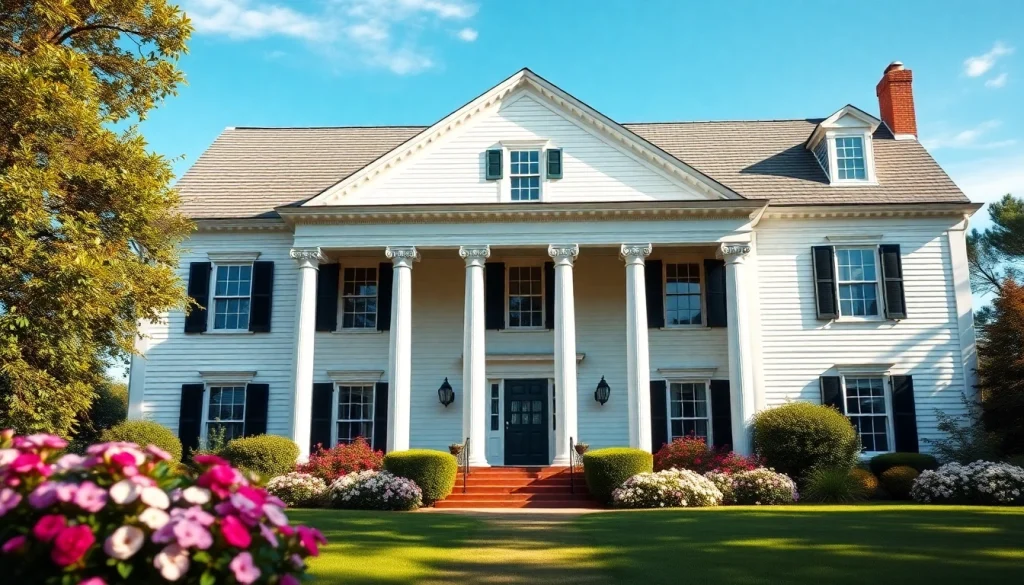
Colonial homes are distinguished by their symmetrical facades, gabled roofs, and classic brick or wooden exteriors. Originating from the early American colonial period, these homes merge European architectural styles with local materials and conditions. Not only do they reflect the history and culture of early settlers, but they also embody a timeless elegance, making them a favored choice for many homeowners today. A typical colonial home features multiple stories, often with four or more bedrooms, and a central hallway that divides the living spaces. The colonial home build style emphasizes functionality and simplicity, lending itself well to modern family living while providing a historical charm.
Historical Context and Evolution
The colonial architectural style is the embodiment of history, birthed in the 1600s by European settlers in America. Influences from English, Dutch, French, and Spanish architectures were infused into the colonial style, creating various regional iterations. Early colonial homes were primarily built for practicality, made from materials readily available in their surroundings, such as timber and stone. Over the centuries, as settlements grew and architectural techniques evolved, the colonial style transitioned into what we recognize today: a blend of classic lines and contemporary needs.
Common Architectural Features
Common architectural features of colonial homes include:
- Symmetrical Facades: Facades are typically designed to be mirrored along a vertical axis, featuring balanced windows and doors.
- Gabled Roofs: Rooflines often peak at the center and feature dormer windows, adding height and architectural interest.
- Chimneys: Centrally located, these are prevalent in colonial architecture, often serving as a staple in the house’s design.
- Porches: Many colonial homes are adorned with front or back porches, creating outdoor living spaces.
- Colonial Windows: Tall, narrow windows divided by small panes maintain the classic aesthetic of colonial designs.
Planning Your Colonial Home Build
Choosing the Right Location
The location of your colonial home build significantly impacts not only its aesthetics but also its functionality. Urban areas offer more accessibility to amenities, while rural settings can provide serene, spacious environments. When selecting your site, consider local zoning laws, proximity to schools, and community development plans. Additionally, ensure the lot’s topography complements your design; a flat lot may lend itself more readily to traditional colonial designs than hilly terrains that may require additional structural considerations.
Design Considerations and Layout Planning
Designing a colonial home begins with thoughtful layout planning. The floor plan generally centers around a hallway that leads to various rooms, creating a natural flow through the home. Consider including spaces that promote family interaction, such as a large kitchen and a family room. Colonial homes often feature formal dining and living rooms as well. Moreover, ensure that the layout accommodates modern amenities without sacrificing the classic charm that makes colonial homes so appealing.
Budgeting and Cost Analysis
Budgeting is a crucial aspect of your colonial home build. Begin by estimating the costs of land acquisition and foundational grading or excavation. Next, breakdown costs associated with materials (timber, brick, roofing), labor, permits, and inspections. An often overlooked element is the cost of interior finishes, which can include cabinetry, flooring, and built-in features characteristic of colonial homes. Understanding these costs in advance can lead to better financial management, keeping your project on track.
Materials and Techniques for Colonial Home Builds
Traditional Materials Used
Historically, colonial homes have utilized materials that reflect the local resources. Wood, brick, and stone were the primary choices. Timber framing has its roots in colonial architecture, providing structural integrity and aesthetic appeal. Brick and stone, often used for facades, add durability while creating visually striking homes. When considering materials, also think about the historical consistency and local climate; certain materials perform better under specific weather conditions.
Modern Techniques in Construction
While traditional materials are crucial, modern construction techniques can enhance the building process of colonial homes. Advanced framing techniques can optimize energy use without compromising structural integrity. Modular construction methods may reduce construction time and waste, while modern insulation materials can improve the energy efficiency of colonial homes. Incorporating these innovations can not only streamline the construction process but also elevate functionality and sustainability in your colonial home build.
Energy Efficiency Tips
Energy efficiency is a vital aspect of modern home building, including in colonial designs. Utilize energy-efficient windows and doors that minimize heat loss. Insulating the attic and walls can also yield temperature control, thus driving down energy costs. Consider installing HVAC systems that cater to today’s energy efficiency standards. Additionally, integrating renewable energy options, such as solar panels, can afford both environmental benefits and long-term savings.
Interior Design Elements in Colonial Home Builds
Significant Interior Features
Interior spaces in colonial homes are marked with significant design elements. Crown molding and wainscoting are commonly found, providing a classic vibe. Fireplaces are not only practical but serve as focal points in living spaces. Staircases often feature ornate balusters and newels that add elegance to the interior. It’s essential to preserve these features when designing spaces to retaining the colonial aesthetic essential for this style of home.
Incorporating Modern Amenities
While upholding the historical charm, incorporating modern amenities is vital for comfort and convenience. Open-concept layouts can be integrated while still respecting colonial traditions. Luxurious master bathrooms and spacious kitchens equipped with contemporary appliances can coexist with traditional design features. The balance lies in merging classic aesthetics with modern needs, ensuring that the home remains functional for daily life while honoring its rich heritage.
Choosing the Right Color Palette
The color palette plays a significant role in reflecting the colonial style while also conveying your personal taste. Traditionally, colonial homes are painted in muted tones or earthy colors, which harmonize with natural landscapes. Rich hues and warm neutrals can evoke a historical essence while framing modern interiors. Experimenting with textures and shades can articulate a refined ambiance that welcomes both heritage and modernity into the home.
Frequently Asked Questions about Colonial Home Builds
What are the key features of a colonial home?
Key features include symmetrical facades, gabled roofs, central chimneys, and traditional vertical windows divided into small panes, which embody historical architectural aesthetics.
How long does it take to build a colonial home?
Building a colonial home typically takes 6 to 12 months, depending on design complexity, permitting processes, and contractor efficiency. Planning and site preparation can fluctuate timelines.
What are common materials used in colonial architecture?
Common materials include wood for framing, brick and stone for facades, and historically accurate finishes. Local materials often influence the selection to reflect regional styles.
Can colonial homes be modernized?
Yes, colonial homes can be modernized by integrating open floor plans, contemporary appliances, and energy-efficient technologies while preserving key historical features for aesthetic appeal.
What is the average cost of building a colonial home?
The average cost can range from $150 to $300 per square foot, influenced by materials, labor, complexity, and location, making budgeting crucial for an accurate estimate.