
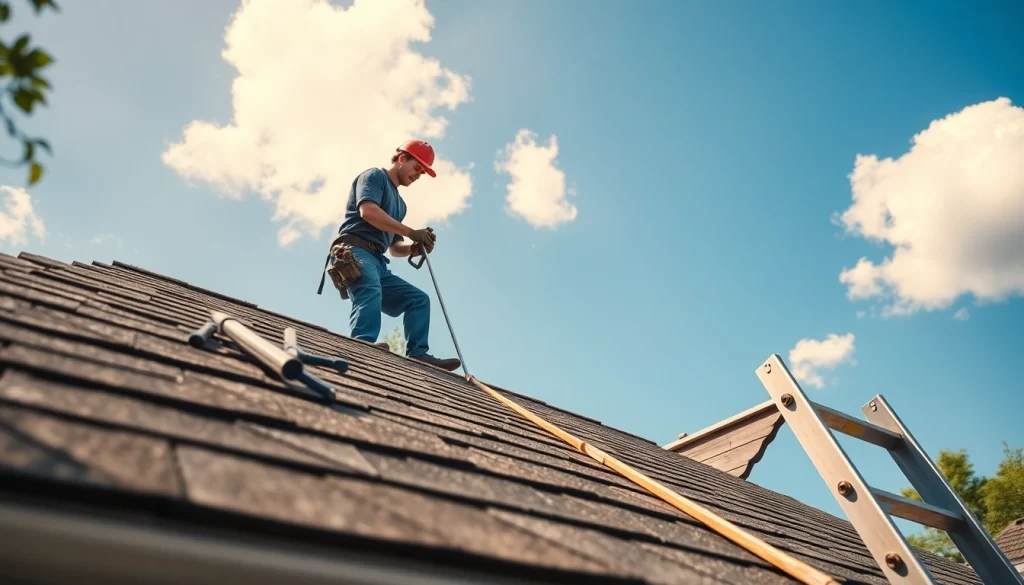

Understanding Roof Repair and Its Importance
Your roof is your first line of defense against the elements. Ensuring its integrity is vital not just to protect your home but also to preserve its value. Regular Roof repair can extend its lifespan and prevent costly replacements. Understanding the ins and outs of roof repair can empower you in maintaining your roof effectively.
What is Roof Repair?
Roof repair involves fixing broken, damaged, or worn parts of a roof to restore its functionality and prevent further issues. This process can include patching leaks, replacing shingles, repairing flashing, or fixing structural damage caused by weather, age, or wear. Proper roof repair ensures that your roof continues to protect your home from rain, snow, and other environmental factors.
Key Benefits of Roof Repair
Engaging in timely roof repairs offers several significant benefits:
- Cost Savings: Addressing minor issues can prevent them from escalating into major problems, which can be significantly more expensive to repair.
- Enhanced Aesthetic Appeal: A well-maintained roof improves your home’s curb appeal, which can increase its market value.
- Increased Longevity: Regular repairs can extend the lifespan of your roof, delaying the need for a total replacement.
- Improved Energy Efficiency: By sealing leaks and ensuring proper insulation, repairs can help maintain indoor temperatures and reduce energy bills.
- Safety and Comfort: A solid roof ensures safety against inclement weather, reducing the risk of leaks that can lead to mold or damage inside your home.
Common Signs Your Roof Needs Repair
Being proactive in identifying issues with your roof can prevent extensive damage. Look out for these common signs that indicate your roof requires attention:
- Leakage: Stains on interior walls or ceilings often indicate roof leaks.
- Missing or Damaged Shingles: Shingles that are missing, cracked, or curling are clear indicators of a compromised roof.
- Visible Sagging: A sagging roof line can signify structural issues that need immediate repair.
- Moss and Algae Growth: Excess moisture can lead to the growth of algae and moss, which can degrade roofing materials.
- Granules in Gutters: If you find granules from asphalt shingles in your gutters, this may indicate that your shingles are deteriorating.
Methods and Techniques for Roof Repair
Materials Used in Roof Repair
Choosing the right materials for roof repair is crucial for its longevity and effectiveness. Common materials include:
- Asphalt Shingles: Widely used due to their cost-effectiveness and variety.
- Metal Sheets: Durable and resistant to weather extremes, metal roofing also provides a modern look.
- Flat Roofing Membranes: For flat roofs, materials like TPO or EPDM are popular for their waterproofing properties.
- Wood Shakes: Ideal for aesthetic appeal, they require more maintenance and are susceptible to insects.
DIY vs. Professional Roof Repair
Deciding between a DIY approach or hiring professionals can significantly impact the outcome:
- DIY Repair: Suitable for minor fixes, DIY allows homeowners to save costs; however, it requires careful attention to safety and techniques.
- Professional Repair: Hiring qualified professionals ensures a thorough job with warranty coverage. Complex repairs or large areas should always be handled by experts to avoid safety hazards.
Step-by-Step Roof Repair Process
Understanding the steps involved in roof repair can equip homeowners to address minor issues effectively. Follow this basic outline:
- Assess Damage: Thoroughly inspect the roof for any visible damage and identify necessary repairs.
- Gather Tools and Materials: Collect all needed materials and tools such as shingles, nails, a roofing hammer, and safety gear.
- Remove Damaged Materials: Carefully strip away the damaged shingles or flashing, ensuring not to damage surrounding materials.
- Install New Materials: Place new shingles or flashing, securing them appropriately and staggering seams to enhance structural integrity.
- Secure and Seal: Ensure all materials are thoroughly sealed to prevent future leaks and issues.
- Clean Up: Remove debris and tools from the site and perform a final inspection to ensure all elements are secure.
Preventative Measures to Extend Roof Lifespan
Regular Maintenance Techniques
Implementing regular maintenance techniques can greatly enhance your roof’s lifespan:
- Routine Inspections: Conduct checks at least twice a year and after major storms to catch potential problems early.
- Clean Gutters: Ensure gutters are clean to avoid water backup which can cause roof rot and leaks.
- Trim Overhanging Branches: Regularly trim branches that could scratch or damage the roof during high winds.
- Remove Debris: Clear leaves, branches, and other debris that can trap moisture and promote rot.
Seasonal Roof Care Tips
Seasonal changes necessitate specific roof care strategies:
- Spring: Inspect for winter damage, clean gutters, and ensure downspouts are functioning.
- Summer: Check for loose shingles and ensure your attic is properly ventilated to prevent heat buildup.
- Autumn: Clear falling leaves and debris while preparing for winter weather.
- Winter: Evaluate for ice dams and icicles, ensuring ample insulation in your attic.
Importance of Inspections
Routine inspections serve as preventive measures against major repair needs. Engaging licensed professionals for comprehensive inspections can help identify hidden issues, ensuring that repairs are done before they escalate into costly projects.
Cost Factors in Roof Repair
Average Costs of Common Repairs
Understanding the cost factors associated with roof repair can aid in budgeting:
- Shingle Replacement: $150 to $1,000 depending on the extent of the damage.
- Leak Repair: Costs can vary widely but typically range from $200 to $1,500 based on the severity.
- Flashing Repair: Usually costs between $300 and $600.
- Whole Roof Repair: On average, it can range from $1,000 to $5,000 based on roof size and materials.
Budgeting for Roof Repair
Developing a budget for roof repair involves considering the following:
- Determine common maintenance fees for seasonal inspections.
- Set aside funds for emergency repairs that may arise unexpectedly.
- Research materials beforehand to understand costs associated with typical repairs.
How to Obtain Accurate Estimates
To acquire accurate estimates for roof repairs, follow these tips:
- Collect bids from multiple licensed contractors.
- Ensure estimates are detailed, breaking down material costs, labor, and any additional fees.
- Ask for references and look at previous work to gauge quality.
Frequently Asked Questions About Roof Repair
How often should I inspect my roof?
You should inspect your roof at least twice a year and after severe weather events to catch potential problems early.
What’s the best season for roof repair?
The best seasons for roof repair are typically spring and fall due to mild weather conditions, making repairs easier and safer.
Can I repair my roof myself?
Yes, minor repairs such as replacing shingles can be done yourself, but professional help should be used for significant repairs or safety concerns.
How long does a roof repair take?
The duration of a roof repair depends on the extent of damage but usually can take anywhere from a few hours to a couple of days.
When should I consider a roof replacement instead of repair?
If your roof is over 20 years old, suffers extensive damage, or requires more repairs than its overall value, it may be more cost-effective to opt for a replacement.