
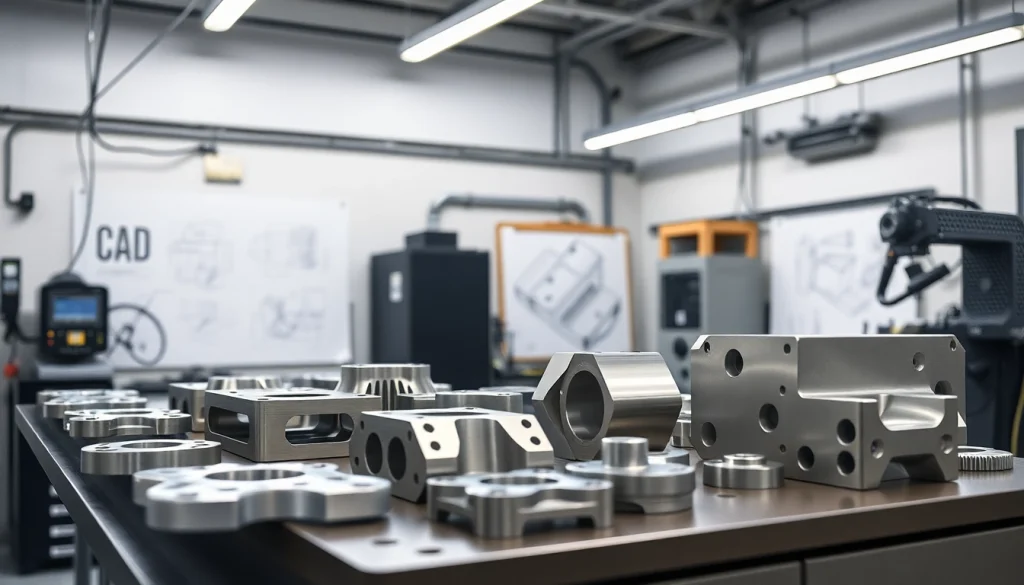

Understanding Aluminum Prototypes
Aluminum prototypes have become a staple in various industries due to their light weight, high strength, and excellent machinability. By producing aluminum prototypes, manufacturers can test and validate designs before moving to full-scale production. This article will delve into the significance of aluminum prototypes, exploring their benefits, applications, and the methodologies commonly employed to create them.
What Are Aluminum Prototypes?
Aluminum prototypes are functional models created using aluminum to verify design specifications and performance characteristics before the final product is manufactured. These prototypes may be developed through various manufacturing processes, allowing for flexibility in achieving desired attributes such as strength, weight, and surface finish. Prototyping with aluminum includes methods like CNC machining, 3D printing, and investment casting among others, tailored to meet specific project requirements.
Benefits of Using Aluminum Prototypes
Opting for aluminum prototypes presents several compelling advantages:
- Lightweight yet Strong: Aluminum’s low density provides high strength-to-weight ratios, making it suitable for applications where weight reduction is crucial.
- Excellent Machinability: Aluminum can be easily machined, milled, or otherwise processed, facilitating intricate designs and finer tolerances.
- Cost-Effective: Using aluminum for prototyping can reduce costs associated with the material and manufacturing processes due to its widespread availability and ease of machining.
- Durability: Aluminum’s resistance to corrosion enhances the longevity of prototypes, especially in harsh conditions.
- Performance Testing: Prototypes can be used to validate performance metrics, ensuring designs meet functional requirements.
Common Applications for Aluminum Prototypes
Aluminum prototypes are widely utilized across a range of industries, including:
- Aerospace: Components such as brackets and housing units.
- Automotive: Parts that require precise engineering and lightweight structures.
- Consumer Electronics: Cases and internal structures for devices.
- Medical Devices: Tools and equipment requiring sterilization and precision.
- Machinery: Custom components that enhance operational efficiency.
Types of Aluminum Prototyping Techniques
CNC Machining for Aluminum Prototypes
CNC (Computer Numerical Control) machining is a popular technique for creating aluminum prototypes due to its precision and repeatability. This method involves using computerized controls to operate machinery, allowing for complex shapes and exact specifications to be achieved consistently. CNC machining is ideal for producing functional prototypes as it facilitates tight tolerances and a smooth surface finish, which is critical for parts that will experience mechanical stress.
3D Printing Aluminum Prototypes
3D printing technology has revolutionized the way prototypes are developed. Selective laser melting (SLM) and direct metal laser sintering (DMLS) are common methods for 3D printing aluminum. These techniques layer metallic powder, melting it with a laser to create solid objects that are structurally robust. 3D printing allows for rapid prototyping, enabling designers to iterate designs more quickly and with less material waste.
Investment Casting vs. Aluminum Prototypes
Investment casting involves creating a wax model that is coated with a ceramic shell. The model is then melted away, leaving a cavity into which molten aluminum is poured. This method is cost-effective for producing complex shapes and is often used for lower quantity runs. While both investment casting and traditional prototyping share similarities, investment casting excels in producing intricate components that are difficult to machine.
Best Practices for Designing Aluminum Prototypes
Choosing the Right Aluminum Alloys
Aluminum comes in various alloys, each with unique properties. Selecting the right alloy based on the application is crucial. Common aluminum alloys used for prototyping include:
- 6061: Versatile with good corrosion resistance and weldability.
- 7075: High strength and stress resistance, ideal for aerospace applications.
- 2024: Generally favored in aircraft structures due to its high strength-to-weight ratio.
Standard Specifications for Aluminum Prototypes
Standardization in the prototyping process enhances quality control and consistency. Following specifications like those established by the ASTM International is essential to ensure the prototypes meet industry standards. Additionally, adhering to these guidelines allows for easier collaboration and communication throughout different stages of the prototyping process.
Design Considerations in Prototyping
When designing an aluminum prototype, several factors must be taken into account:
- Functionality: Ensure the design meets performance requirements under projected loads and conditions.
- Manufacturability: Design for manufacturability to simplify the production process, reducing time and costs.
- Tolerances: Specify tolerances appropriately to account for cumulative errors during production.
Costs Involved in Aluminum Prototyping
Factors Affecting Cost
Understanding the factors that contribute to costs is vital for budget considerations in aluminum prototyping. Key elements include:
- Material Costs: Prices for raw aluminum vary based on alloy and market conditions.
- Manufacturing Methods: Different techniques will incur varying costs; precision machining tends to be more expensive than some quick production methods.
- Design Complexity: More complex designs generally require more time and resources to produce.
- Quantity: Batch sizes can significantly impact per-unit costs; often, larger quantities provide cost savings.
Estimating Budget for Aluminum Prototypes
Estimating a budget for aluminum prototyping requires a holistic view of all associated costs. A breakdown might include material, labor, machining time, and finishing processes. Using specialized software for cost estimation can help improve accuracy by providing insights based on historical data from similar projects.
Reducing Costs in Prototyping
Cost management strategies may include:
- Optimizing Design: Simplifying designs to reduce manufacturing complexity.
- Material Selection: Utilizing less expensive alloys when extreme strength isn’t needed.
- Batch Production: Producing multiple prototypes in a single run to leverage economies of scale.
FAQs on Aluminum Prototypes
Is aluminum a common prototyping material?
Yes, aluminum is favored for its machinability and versatility, making it ideal for various prototyping methods.
How strong are aluminum prototypes compared to other materials?
Aluminum prototypes offer excellent strength-to-weight ratios, providing a strong yet lightweight option for functional applications.
Can aluminum prototypes be used in functional testing?
Absolutely, aluminum prototypes are often used in functional testing to assess performance under various conditions.
What finishes are available for aluminum prototypes?
Aluminum prototypes can be finished with various coatings such as anodizing, powder coating, or polishing to enhance aesthetics and corrosion resistance.
What are the common challenges in aluminum prototyping?
Challenges can include managing costs, ensuring precision in design, and selecting the right aluminum alloy for specific requirements.