
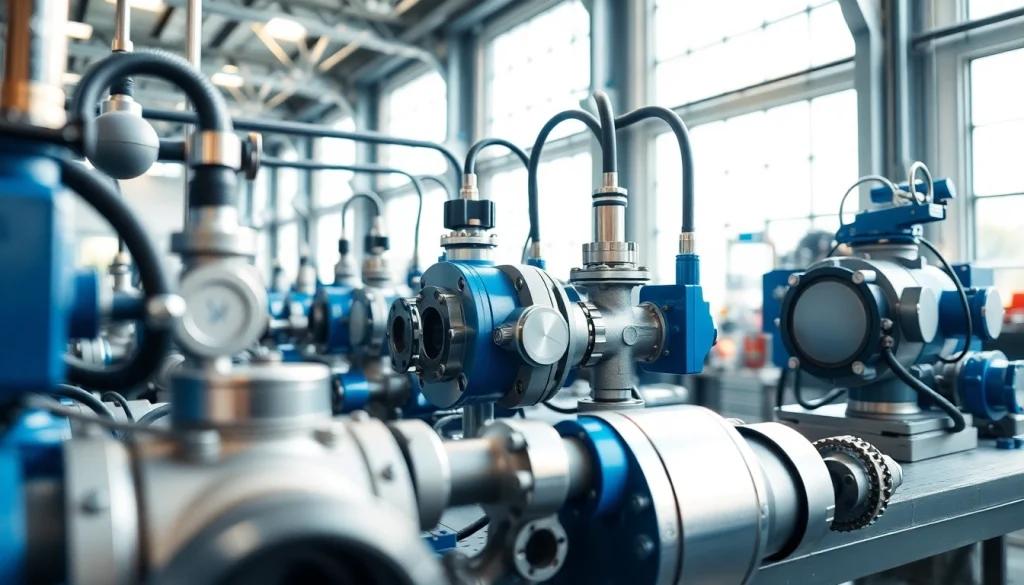

Understanding Fluid Power Systems
Fluid power systems represent a vital technology in various industrial applications, utilizing liquids or gases under pressure to generate, control, and transmit power. This technology is widely recognized for its efficiency and effectiveness in a plethora of settings, from manufacturing to aerospace. A fundamental understanding of these systems is essential for those looking to harness their power effectively. The core components of these systems include pumps, actuators, valves, and the fluid medium itself. By delving into the machinery of fluid power systems, one can gain insights into their operation and applicability.
Definition and Components
Fluid power systems are classified into two primary types: hydraulic and pneumatic systems. Hydraulic systems employ liquids, while pneumatic systems utilize compressed gases. Both systems leverage the principles of fluid mechanics to perform work. Key components of fluid power systems include:
- Pumps: Responsible for converting mechanical energy into fluid energy.
- Actuators: Devices that convert fluid energy back into mechanical energy, typically in the form of linear or rotary motion.
- Valves: Control the flow of fluid in the system, enabling precise management of power transmission.
- Fluid Reservoirs: Store the hydraulic fluid or air used in the system, ensuring a continuous operation and pressure level.
How Fluid Power Systems Work
Fluid power systems operate on the principle of transmitting force through pressurized fluids. In hydraulic systems, a pump drives hydraulic fluid through pipes and hoses to actuators, which convert this fluid pressure into mechanical motion. For pneumatic systems, compressed air is directed through valves and pipes to actuators which use the air pressure for movement. The intricate balance of pressure, flow, and control enables these systems to perform complex tasks with precision and reliability.
Applications Across Industries
Fluid power systems are pivotal across numerous industries, each benefiting from their unique capabilities. Notable applications include:
- Manufacturing: Used in production equipment like conveyor belts, hydraulic presses, and powered tools.
- Aerospace: Essential for operating landing gear, flight control surfaces, and cargo doors.
- Construction: Powers heavy machinery including excavators, dump trucks, and cranes.
- Transportation: Key components in automotive braking systems and suspension systems.
- Entertainment: Utilized in theme park rides and movie special effects for smooth motion control.
Key Advantages of Fluid Power Systems
Efficiency and Effectiveness
One of the major advantages of fluid power systems is their remarkable efficiency. These systems can produce high power output relative to their size, making them ideal for compact settings. The ability to deliver consistent force without the need for mechanical linkages minimizes energy waste and optimizes performance. Moreover, control is highly precise, enabling tasks to be executed exactly as planned.
Versatility in Application
Fluid power systems can be tailored for a wide range of applications, highlighting their versatility. From simple operations to complex mechanisms, these systems can be modified or combined to meet specific operational needs. For instance, in advanced robotics, a blend of hydraulic and pneumatic systems can offer varied motion profiles and enhanced functionality.
Cost-Effectiveness in Operations
Despite initial investment costs, fluid power systems often lead to lower operational expenses over time. They reduce energy consumption and maintenance requirements due to fewer moving parts compared to mechanical systems. Additionally, the longevity of hydraulic machinery results in less frequent replacements and repairs, further driving down overall costs.
Common Challenges in Implementing Fluid Power Systems
Pneumatic vs. Hydraulic Systems
The decision between pneumatic and hydraulic systems can be a challenge. While hydraulic systems typically offer greater force and efficiency, they require more extensive maintenance and have the potential for leaks. Conversely, pneumatic systems are easier to manage and maintain but often deliver lower power output. Understanding the specific requirements and constraints of a project is crucial for making the best choice.
System Maintenance and Downtime
Proper maintenance is vital to ensure the reliability of fluid power systems. Common challenges include preventing leaks, monitoring fluid cleanliness, and ensuring that all components are functioning correctly. Failure to address these issues can lead to unplanned downtime, which can be costly. Implementing a robust maintenance schedule and system monitoring can mitigate these challenges.
Safety Considerations
Fluid power systems, while effective, can pose significant safety risks if not managed properly. High-pressure fluids can lead to catastrophic failures, and components can become dangerous projectiles if they fail. It’s essential to have proper safety protocols in place including strain-force gauges, proper sealing of components, and personnel training on system operation.
Best Practices for Managing Fluid Power Systems
Regular Maintenance Tips
Establishing a routine maintenance plan is crucial. Key practices include regular inspection of hoses and seals for wear and tear, timely fluid changes, and keeping components clean and free from debris. Implementing predictive maintenance technologies can also help anticipate failures before they affect operations.
Monitoring System Performance
Utilizing performance monitoring tools can enhance the longevity and efficiency of fluid power systems. Data analytics can provide insights into system performance trends, allowing for adjustments that optimize energy consumption and output. Systems can also be equipped with sensors to track pressure, temperature, and flow rates, providing real-time feedback.
Incorporating Automation
Automation can significantly enhance the efficiency of fluid power systems. Automated control systems can allow for improved precision in control, reducing human error. Incorporating programmable logic controllers (PLCs) can streamline operations, potentially leading to better energy efficiency and lower operational costs.
Future Trends in Fluid Power Systems
Smart Technology Integration
The integration of smart technology into fluid power systems is revolutionizing their management. IoT sensors are allowing for real-time monitoring and performance tracking, helping to optimize processes and reduce waste. Predictive maintenance powered by AI is becoming increasingly prevalent, ensuring that systems are maintained proactively.
Sustainability Practices
Sustainability is becoming a central focus in the design and operation of fluid power systems. Companies are looking for environmentally friendly hydraulic fluids and energy-efficient systems that minimize their carbon footprint. Innovations in biodegradable fluids and energy recovery systems are paving the way for sustainable practices in the industry.
Industry Innovations and Developments
Continuous advancements in material science are contributing to stronger, lighter, and more durable components in fluid power systems. Furthermore, the advent of additive manufacturing (3D printing) is enabling the production of components with complex geometries that enhance performance while reducing waste.
FAQs
What are fluid power systems used for?
Fluid power systems are used in various applications, including manufacturing, construction, aerospace, and transportation, for tasks requiring high force, speed, and precision.
What are the main types of fluid power systems?
The two main types of fluid power systems are hydraulic systems, which use liquids, and pneumatic systems, which use compressed gases.
How often should fluid power systems be maintained?
Fluid power systems should undergo routine maintenance checks every three to six months, depending on usage and system complexity, to ensure reliability.
What safety precautions are necessary with fluid power systems?
Key safety precautions include regularly inspecting components for wear, following operational protocols, and ensuring proper training for personnel handling the systems.
How can technology improve fluid power systems?
Technology enhances fluid power systems through real-time monitoring, predictive maintenance, and automation, leading to improved efficiency and reduced downtime.