
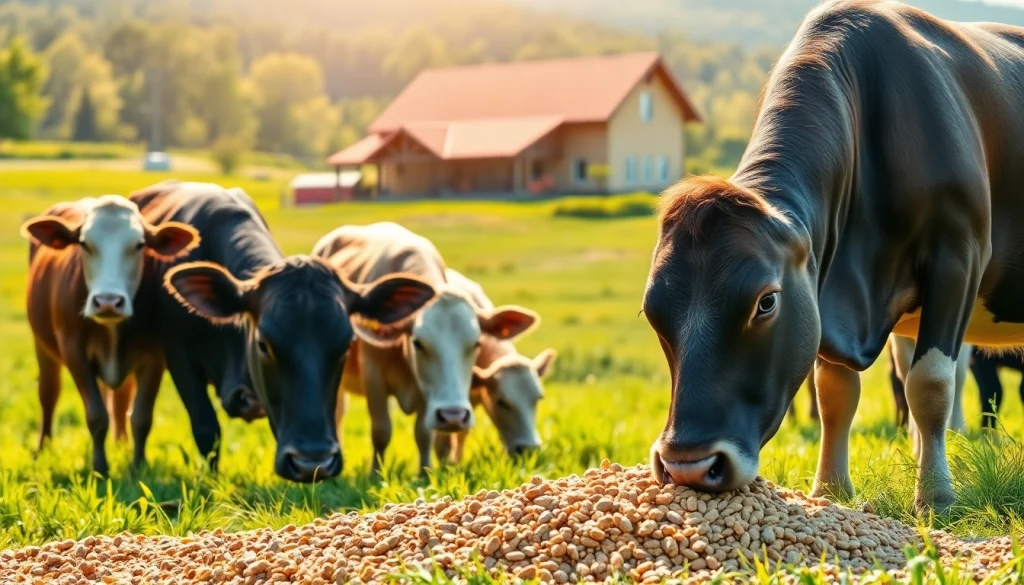

Understanding Cattle Feed: Types and Benefits
Introduction to Cattle Feed
Cattle feed is a crucial component of successful cattle farming, influencing health, growth, and overall livestock productivity. Proper nutrition through various types of Cattle Feed ensures that cattle have the necessary vitamins, minerals, and energy to thrive. Understanding the various types of cattle feed available, along with their benefits and best practices for management, is essential for farmers aiming to optimize their operations.
Types of Cattle Feed Available
Cattle feed can be classified into several major types, each tailored to meet the specific nutritional requirements of different cattle breeds and growth stages. The main categories include:
- Forage: Grass, hay, and silage form the natural diet of cattle, providing essential fiber and roughage.
- Concentrates: High-energy feeds such as grains (corn, barley) that supplement forages to boost weight gain and milk production.
- Protein Supplements: Ingredients such as soybean meal, cottonseed meal, and fish meal supply necessary proteins for growth and milk production.
- Mineral Supplements: Essential minerals and vitamins, important for bone health and metabolic functions, ensuring cattle don’t experience deficiencies.
- Byproduct Feeds: These include distillers grains, beet pulp, and other processing leftovers that can serve as nutritious feed options.
Key Benefits of Quality Cattle Feed
Investing in high-quality cattle feed leads to numerous benefits:
- Improved Growth Rates: Properly formulated feed promotes faster weight gain and better feed conversion ratios.
- Enhanced Milk Production: Dairy cattle on optimal diets produce more milk with better quality.
- Healthier Animals: Balanced nutrition is key to disease resistance and overall health, leading to lower veterinary costs.
- Increased Reproductive Performance: Quality feed supports successful breeding and calving rates.
- Cost Efficiency: While high-quality feed may come at a premium, it often reduces overall costs due to improved productivity.
Factors to Consider When Choosing Cattle Feed
Nutritional Needs of Different Cattle Breeds
Understanding the specific nutritional requirements of different cattle breeds is paramount. For instance, calves, heifers, and lactating cows have distinct dietary needs.
Beef cattle require high-energy feeds to support rapid weight gain, whereas dairy cattle need higher protein content for milk production. Specific minerals such as calcium and phosphorus are important during various life stages to prevent metabolic diseases.
Seasonal Variations in Feed Requirements
Feed requirements can change with the seasons. In colder months, cattle may require more energy-dense feeds to maintain body temperature. Conversely, in warmer weather, the focus shifts towards maintaining hydration and ensuring adequate fiber intake to support digestion.
Adapting feeding strategies in accordance with seasonal changes can optimize cattle health and productivity.
Cost-Effectiveness of Feed Choices
When selecting Cattle Feed, cost is always a consideration. Opting for the cheapest option can lead to poor cattle health and productivity in the long run. A balance must be struck between nutritional value and price, ensuring that the chosen feed supports growth and performance while remaining economically viable.
Calculating the cost per unit of energy or protein can help in selecting the most cost-effective feeding strategy.
Common Challenges in Cattle Feeding
Identifying Poor Appetite in Cattle
A sudden decline in appetite can indicate health issues. Regular observation and understanding of expected feeding behavior are key. Stress, illness, or environmental changes often contribute to poor appetite.
Ensuring a stress-free environment and consulting with a veterinarian when changes occur can help mitigate these issues.
Addressing Digestive Issues Related to Feed
Digestive problems can arise from abrupt feed changes, inadequate fiber, or imbalanced diets. Symptoms can include bloating, diarrhea, or reduced feed intake. To prevent these issues, gradually transition between feed types and pay attention to fiber content.
Including probiotics or digestive aids in the feeding regimen may also support gut health.
Mitigating Feed Waste in Pastures
Feed waste can be a significant economic loss. Best practices include implementing proper feeding strategies, such as using feeders that limit waste during feeding time and rotating pastures to ensure optimal forage growth.
Monitoring feeding patterns and adjusting quantities accordingly can also help reduce waste.
Best Practices for Feeding Cattle
Creating a Balanced Feeding Routine
Establishing a balanced feeding regimen involves providing the right mix of forage, concentrates, and supplements tailored to cattle types and production goals. Regular feeding schedules and consistent ration formulations lead to better consumption and nutrient absorption.
Utilizing feed analysis to adjust rations ensures that cattle receive adequate nutrients to meet their growth and production requirements.
Quality Control in Cattle Feed Management
Ensuring feed quality involves sourcing ingredients from reputable suppliers and conducting regular assessments for nutritional adequacy. Maintaining hygiene in storage areas and monitoring for spoilage or contamination ensures the feed remains safe and effective.
Record-keeping of feed sources, batches, and nutritional values can enhance quality control and traceability.
Monitoring Cattle Health through Feed Observation
Regularly observing cattle during feeding time provides valuable insights into their health and dietary preferences. Changes in eating habits can signal health issues, allowing for early intervention. Adjusting feed types or additives based on cattle performance ensures optimal health and productivity.
Routine veterinary check-ups and assessment of weight gains also complement monitoring efforts.
Innovative Solutions in Cattle Feed
Utilizing Technology in Feed Management
New technologies are revolutionizing cattle feeding practices. From precision feeding systems that deliver specific feed rations to automated monitoring of cattle consumption, technology plays a vital role in enhancing efficiency and productivity. Data analytics can track cattle health and feed performance, allowing for timely adjustments.
Integrating such technologies into daily operations can lead to significant economic advantages in cattle farming.
Alternative Ingredients in Cattle Feed
Exploring alternative feed ingredients, such as insect protein or cultivated grains, is gaining popularity as the demand for sustainable practices grows. These ingredients can provide high protein content while reducing reliance on traditional feed sources. Implementing alternative feeds can diversify cattle diets and improve environmental sustainability.
Future Trends in Cattle Feeding Practices
The cattle feeding industry is evolving, with trends focused on sustainability, health, and efficiency. Research into feed formulations that incorporate functional additives for gut health and better nutrient absorption is on the rise. Furthermore, the shift towards regenerative agriculture practices emphasizes soil health, which directly impacts the quality of feed available for cattle.
Staying informed about these advancements can help farmers stay ahead in a competitive market.
FAQs
1. What is the best type of feed for growing cattle?
The best feed includes a balanced mix of high-quality forages and concentrates, providing the necessary protein and energy for growth.
2. How often should I feed my cattle?
Cattle should generally be fed at the same time each day, ensuring consistency in their feeding routine for optimal digestion.
3. Can I use leftover food products as cattle feed?
Yes, byproducts can be used for cattle feed, but they must be nutritionally balanced and safe for livestock consumption.
4. What should I do if my cattle refuse to eat?
If cattle refuse to eat, check for health issues or feed quality. Consult with a veterinarian if problems persist.
5. How can I reduce feed waste?
Using appropriate feeders, managing pasture rotations, and adjusting feed amounts based on consumption can significantly reduce waste.