
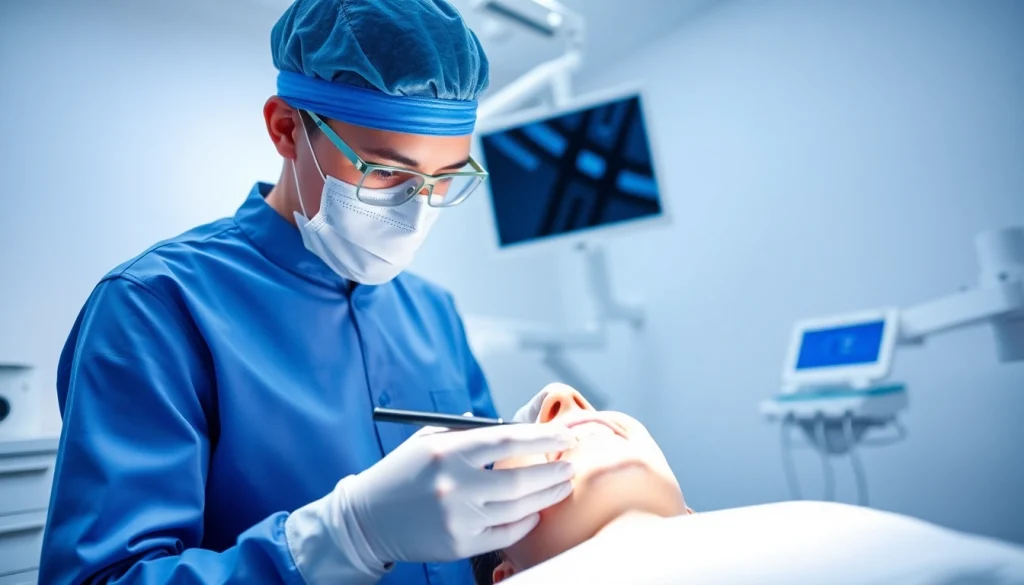

Introduction to Surgical Orthodontics Hawthorn
For those seeking a balanced and functional bite, Surgical orthodontics Hawthorn provides a crucial pathway. This advanced field combines orthodontic techniques with surgical procedures designed to correct skeletal and dental discrepancies. By addressing underlying jaw issues, surgical orthodontics ensures lasting results that traditional orthodontic treatments alone may not achieve.
What is Surgical Orthodontics?
Surgical orthodontics is a specialized branch of dentistry that focuses on correcting severe dental and jaw alignment issues through a combination of braces and surgical intervention. While many orthodontic conditions can be treated effectively with braces alone, more complex cases may require surgical expertise to realign the jaw properly and enhance both function and aesthetics.
Common Conditions Treated
Several conditions may necessitate surgical orthodontics, including:
- Severe Overbite: This occurs when the upper front teeth significantly overlap the lower teeth, often caused by skeletal discrepancies.
- Underbite: A true underbite happens when the lower teeth project farther than the upper teeth, which can lead to jaw pain and functional issues.
- Crossbite: In this situation, upper teeth sit inside the lower teeth during biting, potentially leading to uneven wear and muscle strain.
- Open Bite: Characterized by an inability to make contact between the upper and lower front teeth when the mouth is closed.
- Facial Asymmetry: Surgical orthodontics can help correct uneven facial features by realigning the jaw.
Benefits of Choosing Surgical Orthodontics Hawthorn
Choosing surgical orthodontics offers several advantages, including:
- Functional Improvement: Correcting jaw misalignments can enhance biting, chewing, and speaking abilities.
- Long-Term Stability: Surgical solutions often provide permanent resolution to dental issues compared to non-surgical treatments.
- Enhanced Aesthetics: Many patients see an improvement in facial symmetry and alignment, boosting overall confidence.
- Improved Quality of Life: Addressing underlying issues can enhance comfort and lead to a better ongoing health posture.
Types of Surgical Orthodontic Procedures
Orthognathic Surgery
Orthognathic surgery, often referred to as jaw surgery, is designed to correct the relationships between the teeth and jaws whenever there is severe discrepancy. This procedure can involve repositioning the upper jaw (maxilla), lower jaw (mandible), or both. Through careful planning and collaboration between the orthodontist and oral surgeon, patients can see immediate results in both aesthetics and functionality.
Jaw Surgery
Jaw surgery encompasses various techniques tailored for specific issues. It is often recommended for conditions that affect the jaw’s structure or placement. Common jaw surgeries include:
- Maxillary Osteotomy: This procedure repositions the upper jaw to improve the occlusion and appearance.
- Mandibular Osteotomy: Focused on the lower jaw, it allows better alignment with the upper jaw to treat underbites or overbites.
- Genioplasty: Corrects chin deformities, where the chin may be too large or too small.
Palate Surgery
Palate surgery is often indicated when there are issues like a cleft palate or severe crossbite caused by a skeletal issue with the hard or soft palate. This type of surgery helps align the jaw and teeth properly and can be crucial for patients requiring rehabilitation for speech or feeding problems related to palate deformities.
Preparing for Your Surgical Orthodontics Hawthorn Appointment
Initial Consultation Process
The journey into surgical orthodontics begins with a thorough consultation. This initial visit is essential for patients to discuss their concerns, expectations, and the specific dental issues they face. The orthodontist will conduct a comprehensive examination, which may include a physical evaluation of jaw function and alignment, as well as a review of dental history.
Diagnostic Testing and Imaging
To develop a precise treatment plan, diagnostic tests such as X-rays, 3D imaging, and models of the teeth will be utilized. These diagnostic tools help the orthodontist and surgeon understand the patient’s unique dental structure and the extent of the misalignment. They will analyze how both the hard and soft tissues will respond to surgery and plot the ideal course they need to take.
Creating a Customized Treatment Plan
After gathering all diagnostic data, a customized treatment plan will be created. This plan outlines the specific surgical procedures needed, estimates recovery time, and provides a timeline for orthodontic treatments, including pre-surgical and post-surgical phases. Additionally, patients will receive information on potential risks and the anticipated outcomes.
Recovery and Aftercare Following Surgery
Post-Operative Care Instructions
Post-surgery, specific care instructions will be provided by the orthodontic team. This often includes recommendations for diet, oral hygiene practices, and activity restrictions. Patients may need to consume a soft food diet during the initial healing period and should be vigilant about maintaining oral hygiene to prevent complications.
Managing Discomfort and Expectations
It’s common for patients to experience discomfort post-surgery; however, effective pain management strategies, including prescribed medications and alternative methods like ice packs, can mitigate pain. It’s crucial for patients to set realistic expectations and know that swelling and bruising may occur as the body begins healing.
Long-Term Care and Follow-Up Appointments
Ongoing follow-up appointments are vital to ensure the healing process proceeds smoothly. During these visits, the orthodontist will routinely assess the patient’s progress and make any necessary adjustments to braces if applicable. Long-term care may also involve regular monitoring to ensure the surgical results are stable, and interventions can be made if any shifting occurs.
Frequently Asked Questions About Surgical Orthodontics Hawthorn
How long is the recovery period after surgery?
The recovery period typically ranges from a few weeks to a few months, depending on the individual and complexity of the surgery.
Are there any risks associated with surgical orthodontics?
Like any surgery, risks can include infection, bleeding, or nerve damage, but complications are rare with experienced professionals.
Will I need braces after surgery?
Most patients will still require braces to fine-tune tooth position post-surgery.
How do I know if I need surgical orthodontics?
A consultation with an orthodontist can determine if surgical options are necessary based on your specific needs.
What is the cost of surgical orthodontics in Hawthorn?
The cost varies based on the procedure and complexity but consults usually help outline financial options and insurance coverage.