
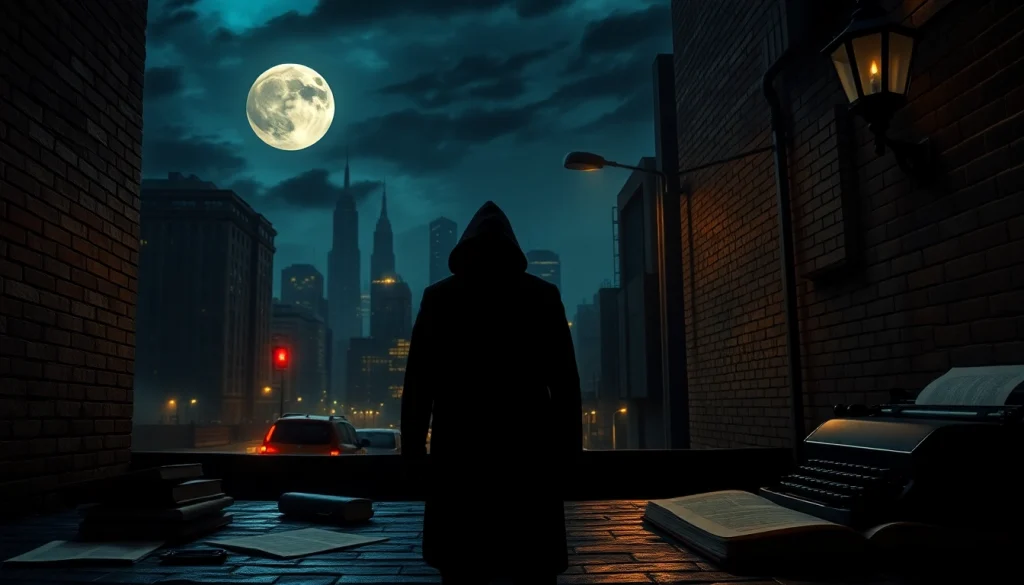

Understanding the Genre of Thriller Book
The genre of the Thriller book stands as a timeless favorite among readers who crave excitement, tension, and the thrill of the unknown. Thrillers are characterized by their fast-paced narratives, complex plots, and intense characters, inviting readers to delve into a world where only the sharpest minds can survive. As we explore the nuances of thriller literature, it’s vital to recognize the core components that define the genre, the variety of sub-genres it encompasses, and the critical elements that maintain reader engagement throughout these gripping tales.
What Defines a Thriller Book?
A thriller book is primarily defined by its ability to create suspense and tension. These narratives are designed to engage readers’ emotions, heightening anticipation as they navigate through unexpected twists and turns. The protagonist typically faces high-stakes challenges, often intertwined with elements of crime, espionage, or psychological conflict.
Key characteristics of a thriller include:
- Fast-paced Plot: The narrative progresses quickly, often featuring short chapters and cliffhangers to keep readers on the edge of their seats.
- High Stakes: The protagonist usually confronts grave danger or moral dilemmas, making the stakes profoundly impactful.
- Complex Characters: Characters often exhibit depth, including moral ambiguity, which adds layers to their motivations and actions.
- Unexpected Twists: Plot twists are a hallmark of thrillers, keeping readers guessing about what will happen next.
Sub-genres of Thriller Book
Thrillers are not a monolithic category; they branch into various sub-genres, each with its unique flavor and audience. Understanding these sub-genres can help readers select the best books for their tastes. Major sub-genres include:
- Psychological Thriller: Focused on characters’ mental states, these books delve deep into the psyche, playing with concepts of fear, manipulation, and reality.
- Crime Thriller: Often revolving around criminal acts, this sub-genre explores the mind of the criminal as well as law enforcement’s response to such actions.
- Political Thriller: Driven by political agendas, these stories often include espionage, intrigue, and complex conspiracies.
- Action Thriller: Featuring abundant physical excitement and fast-paced sequences, these books often include chase scenes, fights, and high-energy action.
- Techno-thriller: Blending technology with thrilling plots, these narratives feature advanced tech elements that propel the story forward, often set in a near-future context.
The Importance of Tension and Suspense
Tension and suspense are the lifeblood of any thriller book. They not only elevate the emotional stakes but also build a connection between the reader and the plot. Techniques such as pacing, foreshadowing, and unreliable narratives forge an atmosphere steeped in anticipation. Writers often deploy cliffhangers at the end of chapters or introduce ticking clock scenarios to amplify these feelings, ensuring that readers remain wholly engaged.
Classic vs. Contemporary Thriller Book Recommendations
Thriller books have evolved notably over time, with classic works laying the foundation for modern interpretations. Understanding this evolution is crucial for both seasoned enthusiasts and new readers looking to dive into the genre.
Iconic Works in the Thriller Book Genre
Classic thrillers have set the standard for what readers expect today. Here are a few landmark works that every thriller aficionado should explore:
- “The Girl with the Dragon Tattoo” by Stieg Larsson: This contemporary classic blends mystery and crime, introducing readers to the unforgettable Lisbeth Salander.
- “The Silence of the Lambs” by Thomas Harris: A psychological thriller that delves into the dark mind of a cunning serial killer and the FBI agent tasked with stopping him.
- “Psycho” by Robert Bloch: This iconic novel has influenced countless interpretations in film and literature, making it a cornerstone of the psychological thriller genre.
- “Gone Girl” by Gillian Flynn: A modern classic that explores the complexities of marriage through the lens of a thrilling mystery, playing with perceptions of truth and deceit.
- “And Then There Were None” by Agatha Christie: A timeless whodunit that captivates readers with its expertly crafted plot and suspenseful atmosphere.
Modern Authors Shaping the Thriller Book Landscape
Today’s authors continue to innovate within the thriller genre, bringing fresh perspectives and themes that resonate with contemporary readers. Notable modern authors include:
- Paula Hawkins: Known for “The Girl on the Train,” Hawkins’ work often explores psychological tensions within everyday situations.
- Harlan Coben: A master of suspense, Coben’s novels frequently feature protagonists entangled in complex plots tied to their pasts.
- Alex Michaelides: With works like “The Silent Patient,” Michaelides constructs intricate narratives that challenge readers to unravel the truth.
- Lisa Gardner: Known for her intense character-driven stories, Gardner crafts chilling thrillers that delve deep into human behavior.
- Tess Gerritsen: Combining medical knowledge and thrilling plots, Gerritsen’s books often feature strong female protagonist figures battling against formidable adversaries.
Comparing Reader Preferences Over Time
While the essence of thrillers has remained, readers’ preferences have shifted with societal changes and technological advances. In earlier times, readers may have gravitated towards simplistic plotlines focusing solely on crime or action. Today, there is a pronounced interest in psychological elements and moral ambiguity.
Modern readers often seek multi-faceted characters that exhibit complexity and depth. There’s also a desire for plots that incorporate current events and real-world challenges, allowing readers to relate and reflect on their experiences.
Key Elements of a Captivating Thriller Book
Several crucial components come together to create a captivating thriller book. From character development to plot mechanics, these elements engage readers and maintain their interest throughout the narrative.
Character Development in a Thriller Book
Character development plays a pivotal role in the construction of a convincing thriller. Readers are drawn to well-crafted characters—be they protagonists or antagonists—who are relatable yet flawed.
Effective characterization includes:
- Backstory: A well-defined backstory provides context to a character’s motivations, enhancing their depth and complexity.
- Growth: Characters who evolve in response to the challenges they face resonate more strongly with readers, making their journeys compelling.
- Moral Complexity: Characters that inhabit shades of gray, rather than simplistic good versus evil archetypes, drive deeper engagement and intrigue.
Plot Twists and Their Impact
Plot twists serve as critical turning points within thriller books, providing surprise and depth. A well-timed twist can transform a story, reframing all preceding events in a new light. Effective use of foreshadowing and misdirection makes these unexpected developments satisfying and believable.
Readers relish the experience of piecing together clues and revisiting earlier chapters to uncover hidden hints, making plot twists a vital element in keeping the narrative invigorating and engaging.
Setting the Scene for Tension in Thriller Book
The setting of a thriller book is not merely a backdrop but an integral component that enhances tension and supports the story’s themes. A well-crafted setting evokes atmosphere, immersing readers in a world where danger lurks around every corner.
Elements to consider include:
- Atmospheric Detail: Vivid descriptions convey a palpable sense of anxiety and urgency, transporting readers to the heart of the narrative.
- Symbolism: Settings can symbolize themes or character traits, adding deeper layers of meaning to the story.
- Conflict-Driven Environment: The setting can amplify conflict, placing characters in situations that heighten their challenges and propel the narrative forward.
How to Choose the Perfect Thriller Book
Selecting the right thriller book can be an exciting venture given the depth and variety that the genre offers. Here are essential considerations and strategies for finding the perfect tale to quench your thirst for suspense.
Assessing Your Reading Preferences
Before diving into the vast library of thrillers, take time to assess your reading preferences. Consider the following:
- Content Preference: Identify the themes and settings that captivate you most. Do you lean towards psychological depth, or are you more attracted to high-action narratives?
- Character Types: Decide whether you prefer complex anti-heroes, straightforward protagonists, or morally ambiguous characters.
- Style of Writing: Reflect on whether you enjoy richly descriptive prose, tight pacing, or character-driven storytelling.
Recommendations Based on Mood
Mood plays a significant role in the reading experience. Tailoring your selections based on your emotional state can enhance enjoyment and engagement. Here are some recommendations based on varying moods:
- For a Gripping Read: Choose a fast-paced crime thriller that keeps you guessing.
- When Seeking Intrigue: A psychological thriller might offer the mental stimulation and complexity you desire.
- If You’re in Need of Action: An action-packed thriller will provide the adrenaline rush you crave.
Utilizing Reader Reviews for Selection
Reader reviews are invaluable resources when selecting a thriller. Platforms like online bookstores, reader communities, and forums allow you to gauge people’s responses before making a purchase. Pay attention to:
- Recurring Feedback: Common themes in reviews can reveal strengths and weaknesses in a particular book.
- Comparative Analysis: Readers often compare works to others within the genre, providing insights into what to expect.
- Author’s Overall Reception: An author’s past works can inform expectations about their latest releases.
Where to Find Your Next Thriller Book
Once you’ve pinpointed your preferences, the next step is to explore accessible avenues for finding your next thrilling read. Diverse options await readers, ensuring that high-stakes narratives are never far away.
Best Online Platforms for Purchase
The internet serves as a vast marketplace for thrillers, offering numerous platforms. Consider checking out:
- Online Retailers: Major online bookstores provide extensive catalogs, including best-sellers and new releases across every sub-genre of thrill.
- E-book Platforms: Digital options allow for instant access to an expansive library of thrillers, perfect for readers on the go.
- Book Subscription Services: These platforms often curate selections based on reader preferences, delivering thrilling reads monthly.
Local Bookstores with Thrilling Selections
Exploring local bookstores offers a tactile experience, allowing readers to browse through shelves and engage with staff recommendations. Many independent bookshops also host events or book signings—an opportunity to connect with authors directly.
Visiting local libraries can also uncover hidden gems and allow for exploration without a purchase commitment while supporting community resources.
Participating in Book Clubs for Recommendations
Joining a book club holds substantial benefits for avid readers. These communities foster discussions that can elevate comprehension and enjoyment of thrillers. Clubs often focus on specific genres, providing a great platform to share insights and explore diverse reading selections.
Additionally, many clubs allow for recommendations, which helps members discover titles they might not encounter otherwise.