
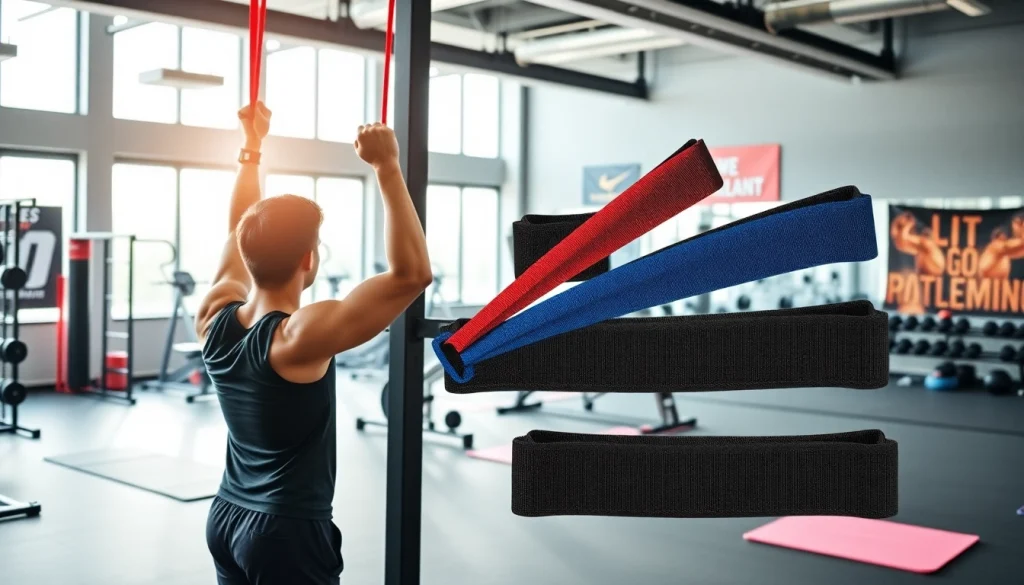

Understanding Pull-Up Assist Bands
Pull-up assist bands have become an essential tool in the arsenal of both novice and seasoned fitness enthusiasts. These versatile resistance bands offer a unique way to enhance your training, making exercises like pull-ups accessible to individuals at various fitness levels. With their ability to provide support and assistance, they are designed to help users build strength over time and achieve their fitness goals efficiently. When exploring options, pull-up assist bands come in various styles and resistance levels to meet the diverse needs of users.
What Are Pull-Up Assist Bands?
Pull-up assist bands are durable elastic bands specifically designed to assist individuals in performing pull-ups by counterbalancing body weight. They come in a range of resistance levels, which makes them suitable for various exercises, not limited to pull-ups. Typically, they are made of rubber or latex and are available in different thicknesses, with each thickness representing a varying degree of resistance. The concept is simple: by attaching the band to a pull-up bar and positioning your feet or knees into the band, the elastic support helps to lift part of your weight, allowing for a more manageable pull-up experience.
Benefits of Using Pull-Up Assist Bands
- Gradual Strength Development: Pull-up assist bands enable beginners to perform repetitions of pull-ups, which promotes muscle engagement and growth. By gradually reducing the assistance, users can develop the strength needed for unassisted pull-ups.
- Versatility: In addition to pull-ups, these bands can be utilized for various exercises, such as dips, chin-ups, and resistance training for legs and core exercises.
- Portability: Lightweight and easy to carry, pull-up assist bands can be taken anywhere, making them a convenient option for home workouts or travel.
- Cost-Effective: Compared to expensive gym equipment, pull-up assist bands are relatively inexpensive, offering an affordable solution for at-home training.
Key Features to Look For
When choosing pull-up assist bands, consider the following features to ensure you select the best option for your needs:
- Resistance Levels: Look for bands that offer a range of resistance options to accommodate your current strength level and allow for progression.
- Material Quality: High-quality rubber or latex provides better durability and elasticity, ensuring that the band maintains its shape and resistance over time.
- Length: Ensure the band is long enough to reach your pull-up bar comfortably while providing adequate assistance.
- Grip Features: Some bands come with handles or loops for enhanced grip and easier use.
Selecting the Right Pull-Up Assist Bands
Weight Resistance Options Explained
Understanding the weight resistance options available for pull-up assist bands is crucial for selecting the right band for your fitness journey. Typically, these bands are color-coded to indicate their resistance level, which ranges from light (8–15 lbs) to heavy (over 200 lbs). Beginners might start with lighter bands to develop their strength gradually, while more advanced users may require heavier bands as they progress. It’s essential to choose a band that complements your current abilities but also challenges you to grow.
Material Durability and Quality
The material of pull-up assist bands significantly impacts their effectiveness and longevity. High-quality rubber or latex bands not only provide better resistance but also have a lower chance of snapping or stretching out. Look for bands that are marketed as being durable and capable of withstanding intense workouts. Consider investing in a reputable brand known for manufacturing high-quality resistance bands, which will ensure you get the most out of your purchase.
Size and Length Considerations
The size and length of pull-up assist bands are equally important when making a selection. Bands that are too short may not provide the necessary assistance, while excessively long bands may be cumbersome. Generally, a band length of 41 inches is common and suitable for most pull-up bars. If you are using bands for other exercises, check the specific requirements for optimal performance.
How to Use Pull-Up Assist Bands Effectively
Beginner-Friendly Techniques
For beginners, the key to effectively using pull-up assist bands lies in mastering the technique. Start by attaching the band to the pull-up bar. Then, place your knees or feet into the band, ensuring you have a secure hold. Begin with a horizontal grip, engage your core, and pull yourself up while resisting the downward force of the band. Focus on controlled movements, as this will maximize muscle engagement and help establish a strong foundation for future workouts.
Advanced Workouts with Pull-Up Bands
As you become more comfortable with pull-ups, incorporate advanced workouts using pull-up assist bands. For instance, consider performing negative pull-ups, where you focus on the lowering phase of the exercise. Alternatively, try adding resistance by using a lighter band or performing other complex maneuvers, such as muscle-ups or explosive pull-ups, to elevate your training intensity.
Common Mistakes to Avoid
While using pull-up assist bands, certain common mistakes can hinder your progress. Avoid relying too heavily on the bands, as this can lead to poor form. Instead, aim to use the band as a tool for assistance rather than a crutch. Additionally, neglecting to warm up can lead to injuries, so ensure you perform dynamic stretches before your workout.
Pull-Up Assist Bands for Different Fitness Levels
Recommended Bands for Beginners
Beginners should start with lighter pull-up assist bands, typically in the range of 8–15 lbs of resistance. These bands allow for more manageable pull-ups and help users build the necessary upper body strength. Brands that label their bands with clear resistance levels make it easier for newbies to select the right fit.
Scaling Up: Intermediate Use
As strength increases, users can graduate to medium resistance bands, which offer anywhere from 25 lbs to 65 lbs of assistance. These bands will challenge the user more significantly and are perfect for incorporating advanced techniques. Remember, progress should always be gradual to reduce the risk of injury and ensure proper muscle development.
Expert Techniques and Variations
For advanced users, a variety of techniques can be employed to maximize the benefits of pull-up assist bands. These may include plyometric movements, tempo changes, or incorporating bands into circuit training. Each variation can further enhance strength and endurance, ensuring that workouts remain fresh and challenging.
The Future of Pull-Up Assist Bands: Trends for 2026 and Beyond
Innovative Designs and Technologies
As fitness technology evolves, so too will the design and functionality of pull-up assist bands. Anticipated innovations include adjustable resistance bands that allow users to modify the level of support on the go, providing even greater flexibility and customization in training. Additionally, bands with built-in sensors may offer users real-time feedback on their form and performance, making workouts more effective.
Growing Popularity in Home Workouts
The trend towards home workouts continues to rise, making pull-up assist bands increasingly popular. As more people seek to create effective home gyms, these bands provide an efficient, space-saving option for upper body training. Expect their usage to expand beyond just pull-ups, becoming staples in full-body workout routines.
Impact on Strength Training Practices
Pull-up assist bands are poised to have a significant impact on strength training practices as they become more widely accepted in gym settings. Their versatility allows for progression in training, making them suitable for everyone from rehabilitation patients to elite athletes. This adaptability ensures that pulling movements remain accessible, helping to foster a culture of strength and fitness for all.