
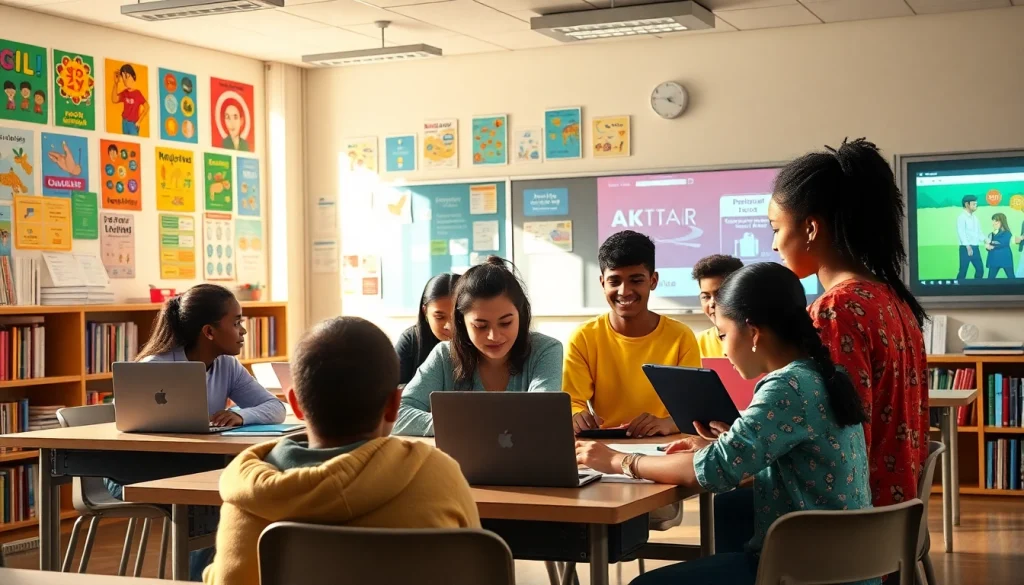

The Importance of Education in Achieving Equity
Education serves as a fundamental pathway to social and economic advancement, playing a critical role in achieving equity in society. It empowers individuals, enhances opportunities, and fosters a sense of community. Dr. Matthew Lynch emphasizes the necessity of addressing the disparities within educational systems to ensure that everyone has access to the tools they need for success. When exploring options, education is a pivotal component of initiating meaningful reforms that promote freedom, equality, and justice.
Understanding Education Equity and its Impact
Education equity refers to the principle of fairness within the educational system. It signifies that every student should have access to high-quality education, regardless of their background or circumstances. The impact of achieving education equity extends beyond individual success; it contributes to societal stability and economic growth. Students who receive equitable education are more likely to participate in the workforce, engage civically, and contribute positively to their communities.
Barriers to Education Access and Quality
Despite the understanding of its importance, numerous barriers to education access and quality persist. Common obstacles include:
- Poverty: Students from low-income families often lack the resources necessary for academic success, such as tutoring, technology, and extracurricular activities.
- Geographic Location: Rural and underfunded urban areas typically have fewer educational resources and opportunities compared to suburban regions.
- Cultural and Linguistic Diversity: Students from diverse backgrounds may face challenges in a system that does not cater to their unique linguistic or cultural needs.
Addressing these barriers is essential for fostering a truly equitable educational landscape.
Strategies for Promoting Equity in Education
To promote education equity, a multifaceted approach is necessary. Some effective strategies include:
- Policy Reform: Advocating for changes in educational policy that prioritize funding for low-income schools and underserved communities.
- Community Engagement: Collaborating with local organizations and families to ensure that educational programs meet the needs of their students.
- Inclusive Curriculum Development: Designing curricula that reflect a diverse array of perspectives and experiences, promoting a more inclusive educational environment.
Innovative Approaches to Education Reform
Education reform must incorporate innovative approaches to effectively address the challenges faced by today’s learners. By leveraging new strategies, educators can enhance learning experiences and outcomes.
Leveraging Technology for Enhanced Learning Experiences
Technology has dramatically transformed the educational landscape. Tools such as online learning platforms, adaptive learning technologies, and interactive programs facilitate personalized learning experiences. These technologies enable educators to tailor instruction to meet the individual needs of students, making learning more engaging and effective.
Project-Based Learning: A Path to Innovation
Project-based learning (PBL) encourages students to engage in real-world problem-solving and critical thinking. Through PBL, students collaborate on projects that require research, creativity, and presentation skills. This approach not only enhances academic knowledge but also prepares students for future challenges by developing essential life skills.
Case Studies: Successful Education Reforms
Looking at successful education reforms can provide valuable insights into best practices. For example, the initiatives implemented in Finland’s education system emphasize equity and teacher autonomy, resulting in one of the highest-rated educational systems globally. Another notable example is the integration of social-emotional learning in various districts across the United States, which has led to improved student engagement and well-being.
The Role of Educators in Driving Change
Educators are at the forefront of educational reform and play a crucial role in fostering a positive learning environment. Their influence is essential in implementing innovative practices and advocating for necessary changes within the educational system.
Qualifications and Skills for Modern Educators
To drive change effectively, educators must possess a diverse set of skills and qualifications. These include:
- Adaptability: Being open to new teaching methodologies and technologies that can enhance student learning.
- Cultural Competence: Understanding and respecting diverse cultural backgrounds to create an inclusive classroom environment.
- Collaboration Skills: Working with colleagues, parents, and community members to foster a supportive educational ecosystem.
Building Community Partnerships for Support
Community partnerships are vital for bolstering educational initiatives. Collaborating with local businesses, organizations, and families can provide additional resources and support for schools. These partnerships can offer mentorship programs, internships, and funding for educational projects, enriching the educational experience.
Advocating for Educational Policy Changes
Educators must also engage in advocacy efforts to influence educational policy at local, state, and national levels. By voicing the needs and concerns of their students, educators can push for reforms that create a more equitable educational landscape.
Measuring Success in Education Initiatives
The evaluation of educational initiatives is crucial for understanding their effectiveness and impact. Measuring success requires a comprehensive approach, incorporating various metrics and feedback mechanisms.
Key Performance Indicators for Education Programs
Establishing clear key performance indicators (KPIs) can help gauge the effectiveness of educational programs. Important KPIs might include student achievement scores, graduation rates, and post-secondary enrollment rates. Regularly assessing these indicators ensures that programs are meeting their goals and can be adjusted as necessary.
Feedback Mechanisms: Listening to Students and Parents
Incorporating feedback from students and parents is essential for creating a responsive educational environment. Surveys, focus groups, and open forums provide valuable insights into the experiences and needs of the educational community. This feedback should inform continuous improvement efforts and policy adjustments.
Longitudinal Studies: Tracking Progress Over Time
Conducting longitudinal studies allows educators and policymakers to understand trends over time. By analyzing data on student performance, attendance, and engagement, stakeholders can identify successful practices and areas that require additional support. This long-term perspective is critical in making informed decisions that enhance educational quality and equity.
Future Trends: The Evolution of Education by 2026
The landscape of education is rapidly evolving, driven by advancements in technology and changing societal needs. As we look toward 2026, several trends will shape the future of education.
Emerging Technologies and Their Impact on Learning
New technologies, such as artificial intelligence, virtual reality, and augmented reality, will significantly influence education. These tools can create immersive learning experiences, enhance accessibility for diverse learners, and facilitate personalized instruction.
Global Education Trends and Their Local Implications
As globalization continues to affect education, local institutions must adapt to international trends. For instance, the emphasis on sustainability in education is gaining traction, encouraging schools to integrate environmental literacy into their curricula. Understanding these trends’ local implications is vital for effective implementation.
Preparing for the Next Generation: What to Expect
Educators must be proactive in preparing students for an increasingly complex future. Skills such as critical thinking, collaboration, and technological proficiency will be essential for success in tomorrow’s workforce. By fostering these skills, educators can equip students to thrive in an ever-changing world.