




Innovative Trends in Austin Construction: Building the Future
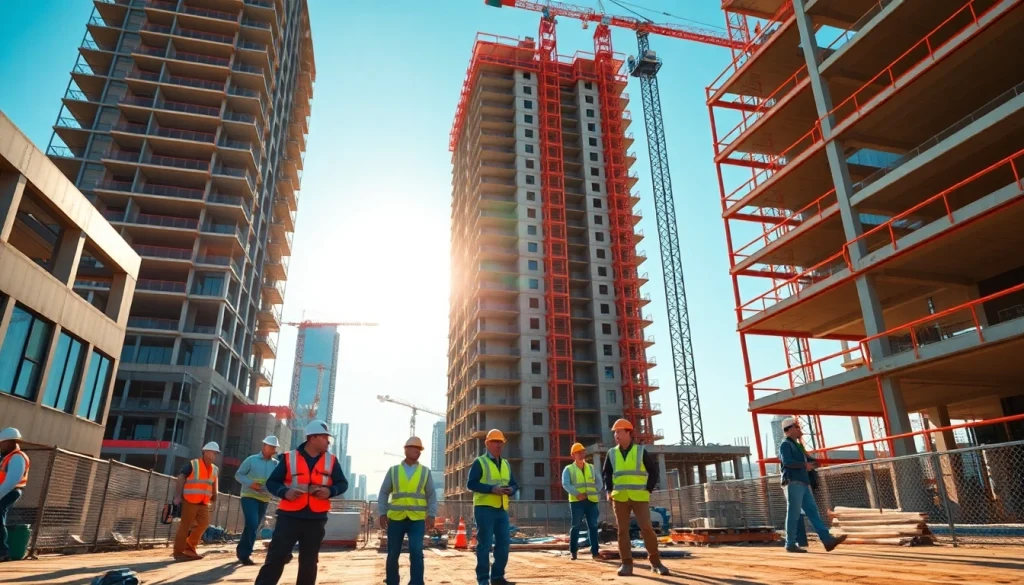
The Evolving Landscape of Austin Construction
The Austin construction industry is experiencing transformative changes, shaped by a unique blend of historical context, economic dynamics, and modern innovations. With a population surge and a burgeoning economy, Austin is at the forefront of construction advancements. As developers and builders navigate this landscape, understanding the shifts in the market is essential. This article explores how the Austin construction scene has evolved, its current trends, and what the future holds.
Historical Context: How Austin Construction Has Changed
Austin’s construction scene has a rich history, dating back to its founding. Initially characterized by single-family homes, the city’s growth has necessitated a shift towards multi-family units, commercial properties, and infrastructure projects. The late 20th century marked a significant pivot towards urbanization, as the population began to flock to the area for jobs and a vibrant atmosphere. The energy boom in the 1990s catalyzed commercial developments, while the tech boom in recent years has led to an explosion of office spaces and mixed-use developments.
By examining this historical context, we can glean insights into present trends. The evolution from suburban sprawl to dense urban environments reflects a shift in lifestyle preferences, impacting how construction projects are planned and executed.
Key Drivers Shaping the Austin Construction Market
Several vital factors influence the Austin construction market today:
- Population Growth: With one of the fastest-growing populations in the U.S., demand for housing, schools, and amenities increases.
- Economic Expansion: The tech and finance sectors drive a consistent need for office space and commercial projects.
- Government Policies: Local regulations and incentives can either encourage development or create hurdles, impacting project timelines.
- Community Engagement: Local stakeholders increasingly have a voice in constructions, which affects the scale and type of projects initiated.
Current Trends Influencing Austin Construction
Today, several trends shape the Austin construction landscape:
- Mixed-Use Developments: These projects combine residential, commercial, and recreational space, promoting walkability and community interaction.
- Smart City Initiatives: Integrating technology into urban planning has become essential, making the city more efficient and livable.
- Affordable Housing Solutions: As housing prices soar, there is a pressing need for affordable housing, spurring innovative construction techniques.
- Resilience Planning: Projects now incorporate measures to withstand climate-related challenges, ensuring longevity and safety.
Eco-Friendly Practices in Austin Construction
Sustainable Materials: The Pulse of Modern Projects
With environmental concerns at the forefront, many developments now prioritize sustainable materials. From reclaimed wood to recycled steel, builders are adopting practices that minimize waste and lower carbon footprints. Local suppliers are emerging to meet this need, establishing a market for sustainable options that can compete with traditional materials in terms of effectiveness and cost.
Energy Efficiency Standards in Austin Construction
Energy efficiency has become a pivotal concern, not only for compliance but also for long-term cost savings. Building codes are increasingly strict about energy performance standards. Developers are investing in energy-efficient HVAC systems, high-performance insulation, and sustainable landscaping to meet or exceed these specifications. The push for net-zero buildings is shaping new construction projects and renovations alike.
Innovative Waste Management Solutions
Construction projects generate significant waste, but innovative waste management practices are emerging in Austin. The use of efficient recycling facilities and partnerships with local organizations to repurpose materials are now common. Moreover, construction companies are adopting strategies like lean construction methods to minimize unnecessary waste at every project phase.
Technological Advancements in Austin Construction
The Role of 3D Modeling and Visualization
Advanced modeling technologies like 3D visualization have revolutionized how construction projects are conceived and executed. Architects and builders can now produce detailed representations of their designs, allowing for better client communication and more accurate project planning. Virtual reality tools are also emerging, enabling stakeholders to explore designs and modifications before ground is broken.
Smart Technology Integration in Construction Sites
The integration of smart technology is enhancing job site management. Tools like IoT networks are used for real-time monitoring of site equipment and worker safety. Drones are being employed for site surveys, providing aerial views that facilitate better planning and decision-making processes. These tools not only improve efficiency but also significantly reduce risks and costs associated with construction projects.
Impact of Drones on Surveying and Monitoring
Drones have become invaluable assets in construction, providing real-time data and monitoring capabilities. They can capture aerial imagery for surveys, track site progress, and enhance safety through overviews of complex work environments. This technology diminishes the need for extensive manual surveys, streamlining inspections and approvals, which ultimately speeds up project timelines.
Challenges Facing the Austin Construction Industry
Labor Shortages: A Looming Concern
Despite the booming construction industry, labor shortages continue to plague the sector. Skilled workers are in high demand, and attracting new talent is becoming increasingly challenging. Efforts to recruit and train new workers, along with initiatives to promote construction as a viable career path, are essential to addressing this gap.
Regulatory Hurdles: Navigating Building Codes
Building codes and regulations significantly impact the construction process in Austin. Navigating these regulations can be complex and time-consuming. Staying updated with changing laws and having the right expertise to maneuver through them is crucial for developers to ensure that projects remain compliant while avoiding costly delays.
Supply Chain Disruptions Affecting Projects
The construction sector is also experiencing supply chain disruptions, impacting material availability and project timelines. As global supply chains become more volatile, local sourcing and maintaining flexible project plans become essential strategies to mitigate delays and financial losses in Austin construction.
Looking Ahead: Future of Austin Construction
Predictions for Growth in Austin Construction
The future of Austin construction looks promising, with growth predictions driven by ongoing urbanization and economic development. Areas such as East Austin are seeing revitalization, and suburban regions continue expanding, driven by the demand for residential housing combined with commercial space. As the market matures, expect a rise in innovative building methods that embrace technology while balancing community needs.
Investment Opportunities in the Construction Sector
As Austin continues to grow, investment opportunities within the construction sector will become increasingly attractive. Real estate development, infrastructure improvements, and commercial spaces are areas ripe for investment, offering potential yields. Building partnerships with local governments and organizations will also enhance opportunities for innovative projects.
How Community Engagement Shapes Future Developments
Community engagement is now crucial in shaping the future of construction projects. Developers are increasingly seeking input from local residents and stakeholders, ensuring that new developments align with community values and needs. This collaborative approach enhances the likelihood of project success and acceptance, fostering a sense of ownership among community members.
Frequently Asked Questions
What are the current trends in Austin construction?
Key trends include mixed-use developments, affordable housing solutions, and smart city initiatives, reflecting a shift towards urbanization and sustainability.
How does sustainability impact Austin construction?
Sustainability drives the use of eco-friendly materials, energy efficiency standards, and innovative waste management practices in construction projects.
What are the major challenges in the Austin construction industry?
Labor shortages, navigating regulatory hurdles, and supply chain disruptions are significant challenges currently affecting the industry.
How is technology changing construction in Austin?
Technological advancements, including 3D modeling, smart technologies, and drone usage, are optimizing construction processes and enhancing project management.
What does the future look like for construction in Austin?
The future is promising, with growth driven by urbanization, investment opportunities, and a focus on community engagement shaping new projects.