




The Essential Guide to Understanding and Enjoying an Audio CD
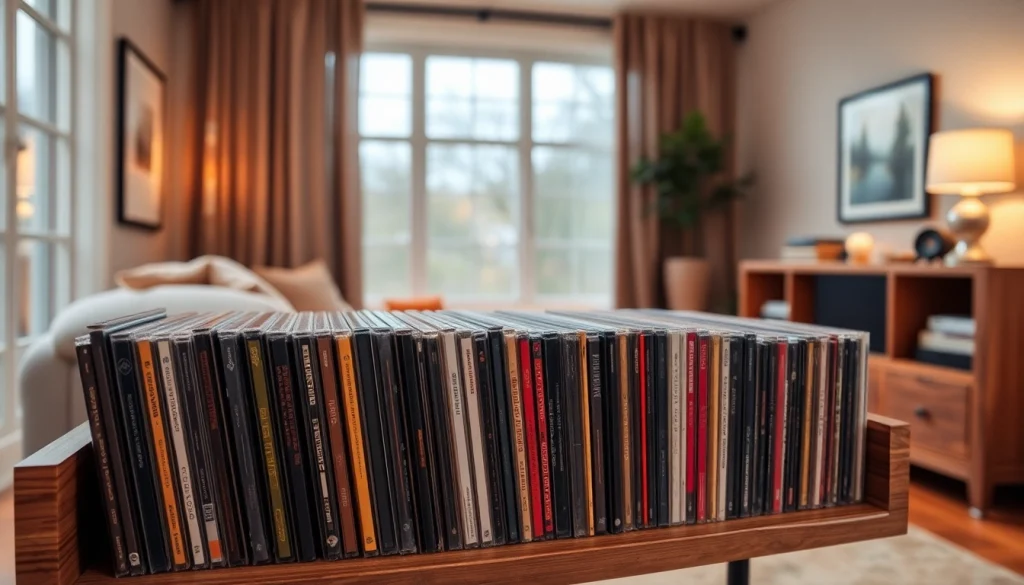
What is an Audio CD?
Definition and History of the Audio CD
An audio cd is a digital optical disc that holds audio data. First introduced in 1982, the audio CD revolutionized the way we consume music by providing a convenient alternative to vinyl records and cassette tapes. Co-developed by Philips and Sony, the compact disc was designed to hold up to 74 minutes of high-fidelity sound originally, although later models enabled playback of up to 80 minutes.
Technical Specifications of an Audio CD
An audio CD conforms to the CDDA (Compact Disc Digital Audio) standard. This format encodes audio in a linear PCM format, allowing a standard playback frequency of 44.1 kHz at a sampling resolution of 16 bits, achieving a bit rate of approximately 1411 kbps. This uncompressed format ensures the quality of recorded music is maintained, making audio CDs a preferred choice among audiophiles and collectors.
The Evolution of Audio Formats
The introduction of the audio CD marked a significant shift from analog to digital audio. Prior formats, such as vinyl records and cassettes, had inherent limitations regarding sound quality and durability. As technology has progressed, numerous digital audio formats have emerged, including MP3, AAC, and FLAC. However, none have matched the audio consistency and quality that an audio CD can provide, maintaining its relevance even in a digitally dominated era.
The Benefits of Using Audio CDs
Audio Quality Advantages
One of the primary reasons audiophiles remain loyal to audio CDs is the superior sound quality they deliver. Since audio CDs store music in an uncompressed format, they capture the full dynamic range of the original recording. This results in clearer, richer sound that is especially noticeable in complex musical compositions, providing a listening experience that compressed digital formats can’t replicate.
Longevity and Durability of Audio CDs
Audio CDs are known for their impressive longevity. When properly stored and cared for, they can last many decades without significant degradation in audio quality. Unlike cassette tapes that can suffer wear and tear from playback and magnetic fields, CDs are resilient against such issues, offering a stable and durable medium for music storage.
Collectibility and Artwork
For many music enthusiasts, collecting audio CDs extends beyond the music itself; it encompasses the physical package. An audio CD offers vibrant cover artwork, liner notes, and sometimes additional items like booklets or posters that digital formats lack. This tangible aspect of music collection allows for a more profound connection to the artists and albums, making audio CDs highly collectible items among fans and connoisseurs alike.
How to Choose the Right Audio CD
Genres and Artist Selection
Selecting the right audio CD can be subjective, typically influenced by personal taste in music genres and individual artists. Whether you prefer classic rock, jazz, pop, or classical compositions, there is an audio CD available that caters to almost every musical preference. Additionally, collectors often seek special editions, remastered albums, or box sets that enhance their collection.
Condition and Packaging Considerations
When purchasing an audio CD, particularly second-hand, it’s crucial to assess both the condition of the disc and its packaging. Scratches, smudges, or cracks can affect playability and sound quality. The original packaging can also add value, especially for collectors. Ensure to look for complete editions that include inserts and artwork, as this not only enhances the aesthetic appeal but also contributes to the overall value of the audio CD.
Where to Purchase Audio CDs
Today, audio CDs can be bought from a variety of sources, including online retailers, music shops, and specialized boutiques. For those seeking rare or collectible audio CDs, exploring local record shops, estate sales, and flea markets can yield unexpected finds. Digital platforms may also offer options for new music in CD format, making it easier than ever to expand your collection.
How to Properly Care for Your Audio CD
Cleaning and Maintenance Tips
Regular maintenance extends the life of your audio CDs. To clean your discs, use a soft, lint-free cloth to wipe the surface from the center outward. Avoid using circular motions which can cause scratches. For stubborn fingerprints or grime, a mild soap solution or specialized CD cleaning solution can be applied, followed by a thorough rinse and drying.
Storage Solutions for Audio CDs
Proper storage is vital for maintaining the integrity of your audio CDs. Store them upright in a cool, dry place, ideally in a dedicated case or stand that prevents them from being scratched or knocked around. Avoid exposing them to direct sunlight, extreme temperatures, or humidity, as these factors can damage both the disc and its packaging.
Handling Practices to Avoid Damage
When handling audio CDs, always grasp them by the edges or the center hole to prevent smudging the playing surface. Avoid touching the shiny side, as finger oils can affect playability. Additionally, never attempt to write on the surface of the disc; use only labels designed specifically for CDs if necessary.
Future of the Audio CD in the Digital Age
Current Trends in Music Consumption
In an age where streaming dominates the music landscape, the physical format of audio CDs might seem threatened. However, there exists a dedicated market for physical media, as many music lovers appreciate the tangible nature of CDs. Collectors often find thrill in owning physical copies, which streaming services cannot satisfy.
The Role of Audio CDs Amid Streaming Services
While streaming services offer unparalleled access to music libraries, audio CDs present unique advantages that attract certain audiences. The collectible nature of CDs, along with the superior audio quality they provide, ensures their ongoing appeal. Additionally, album artwork and physical booklets create a richer experience that digital formats still struggle to replicate.
Potential Resurgence of Physical Formats
As nostalgia for physical music formats continues to grow, there is potential for a resurgence of audio CDs within the broader music industry. The trend towards vintage and retro experiences may ignite interest in CDs, especially among younger generations discovering the format for the first time. This renewed interest could lead to more artists releasing their music on CDs, appealing to both new and longtime fans.